
DIM (Diindolylmethane) | Dietary Supplement
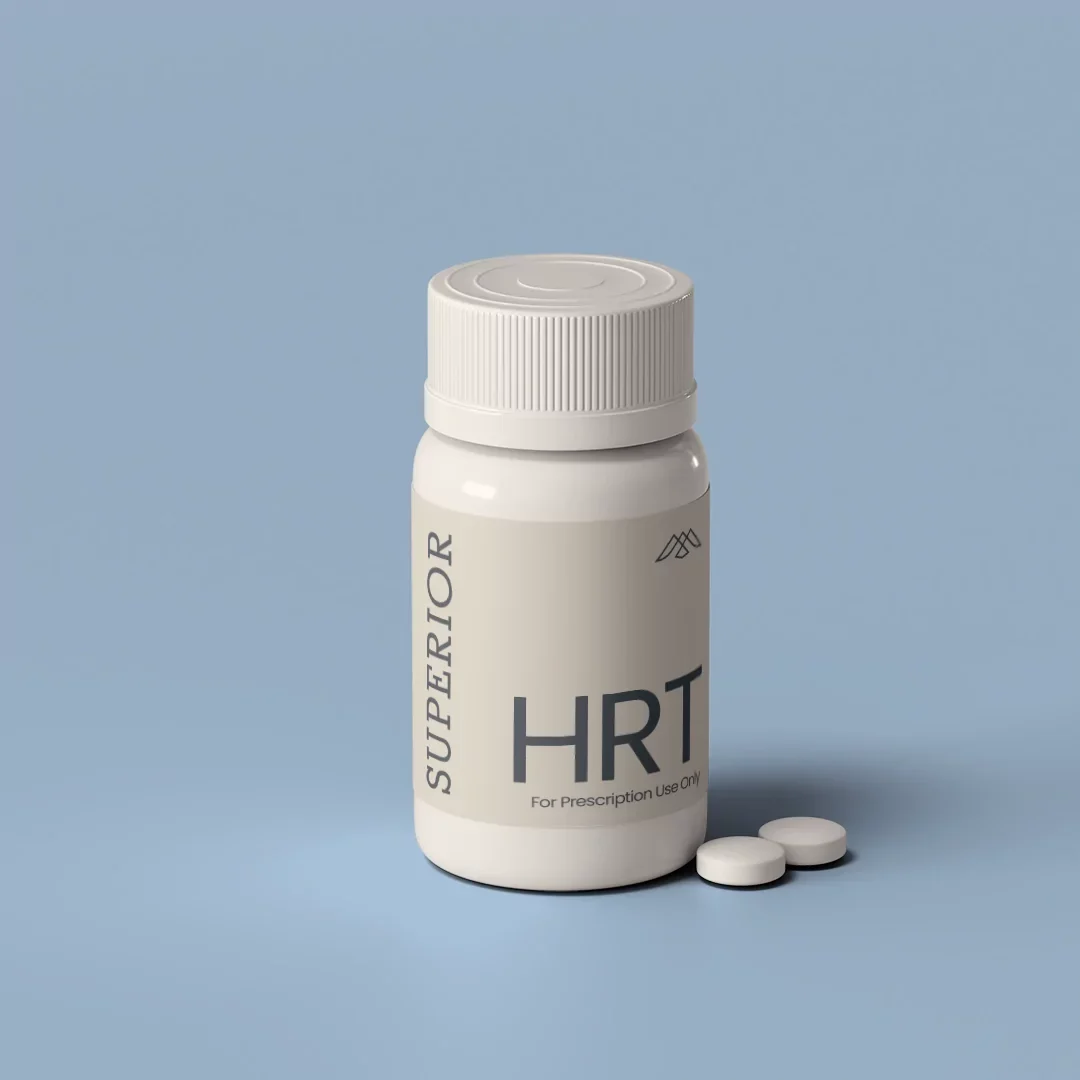
If you are seeking support for hormone balance and inflammation, Diindolylmethane, commonly known as DIM, may be a helpful addition to your wellness plan. DIM is a naturally occurring compound derived from indole-3-carbinol found in cruciferous vegetables such as broccoli, cabbage, and cauliflower. As a dietary supplement, it is commonly used to support healthy estrogen metabolism in both men and women.
DIM works by supporting the way your body processes estrogen. In women, this may help promote a healthier balance of estrogen metabolites and support symptoms related to hormonal fluctuations. In men, DIM may support healthy testosterone balance by assisting in the regulation of estrogen conversion. Because of its influence on hormone pathways, DIM is often considered in personalized protocols focused on hormone optimization and inflammatory balance.
DIM typically remains active in the body for approximately 6 to 12 hours. In some cases, your provider may recommend divided dosing to maintain more consistent support throughout the day. At Superior, supplement recommendations are individualized based on your symptoms, medication profile, and overall hormone goals.
This medication is an FDA-approved commercial product dispensed by a licensed pharmacy. Review important medication safety information.
Pricing is provided for reference only. All medications require a valid prescription from a Superior provider and are dispensed directly by our partnering pharmacies — not sold through this website.
If you are seeking support for hormone balance and inflammation, Diindolylmethane, commonly known as DIM, may be a helpful addition to your wellness plan. DIM is a naturally occurring compound derived from indole-3-carbinol found in cruciferous vegetables such as broccoli, cabbage, and cauliflower. As a dietary supplement, it is commonly used to support healthy estrogen metabolism in both men and women.
DIM works by supporting the way your body processes estrogen. In women, this may help promote a healthier balance of estrogen metabolites and support symptoms related to hormonal fluctuations. In men, DIM may support healthy testosterone balance by assisting in the regulation of estrogen conversion. Because of its influence on hormone pathways, DIM is often considered in personalized protocols focused on hormone optimization and inflammatory balance.
DIM typically remains active in the body for approximately 6 to 12 hours. In some cases, your provider may recommend divided dosing to maintain more consistent support throughout the day. At Superior, supplement recommendations are individualized based on your symptoms, medication profile, and overall hormone goals.
This medication is an FDA-approved commercial product dispensed by a licensed pharmacy. Review important medication safety information.
Pricing is provided for reference only. All medications require a valid prescription from a Superior provider and are dispensed directly by our partnering pharmacies — not sold through this website.
Important Safety Information: Diindolylmethane (DIM) | Dietary Supplement
What is this?
This Important Safety Information summarizes key safety considerations, precautions, and potential risks associated with Diindolylmethane (DIM), a biologically active compound formed from indole-3-carbinol found in cruciferous vegetables such as broccoli, cabbage, and cauliflower. DIM supplements are used to support hormone balance, estrogen metabolism, and inflammation modulation.
DIM is a dietary supplement and is not reviewed or approved by the U.S. Food and Drug Administration (FDA) for safety or effectiveness. This summary does not include all available information. Always follow the dosing guidance provided by your healthcare provider.
Most Serious Warnings
DIM may cause:
Severe effects on estrogen pathways, which may worsen hormone-sensitive conditions
Significant gastrointestinal distress, especially at higher doses
Headaches or neurological symptoms
Sodium level changes at high doses (≥600 mg), which may cause fatigue, confusion, or dizziness
Potential interactions with medications metabolized by the liver (CYP1A2)
Seek medical attention if you experience severe or concerning symptoms.
Who Should NOT Take DIM
Do not take this medication if you:
Have a known allergy to DIM or any ingredient in the formulation
Have hormone-sensitive conditions including breast cancer, ovarian cancer, uterine cancer, endometriosis, or uterine fibroids
Have been advised to avoid estrogen-modulating supplements
Are currently pregnant or breastfeeding beyond normal food amounts
Are a child or adolescent, as supplement dosing has not been established
Before Taking DIM, Tell Your Healthcare Provider if You:
Take hormone therapies or medications affecting estrogen levels
Take medications metabolized by CYP1A2
Take diuretics (“water pills”)
Have a history of low sodium levels
Have any estrogen-mediated medical conditions
Experience chronic GI sensitivity, migraines, or neurological symptoms
Are actively trying to conceive, pregnant, or breastfeeding
Possible Side Effects
Common (mild to moderate):
Gastrointestinal discomfort (nausea, gas, diarrhea)
Headache
Changes in urine color or odor
Breast tenderness or hormone-related sensitivity
Mild fatigue
Serious (seek medical care immediately):
Severe abdominal pain or persistent vomiting
Signs of low sodium including confusion, dizziness, or weakness
Severe headache or neurological changes
Worsening of hormone-sensitive symptoms
Rash, swelling, or signs of allergic reaction
While Taking DIM
Contact your healthcare provider if you:
Develop new or worsening breast tenderness
Experience persistent headaches or GI symptoms
Notice symptoms that may indicate low sodium levels
Have unusual mood changes, fatigue, or hormonal shifts
Are unsure how DIM may interact with your medications
No ongoing lab monitoring is required, but periodic follow-ups may be recommended.
Pregnancy, Breastfeeding & Fertility
DIM is naturally consumed in food, but supplement-level dosing has not been proven safe in pregnancy or breastfeeding. Avoid DIM supplements in pregnancy or while breastfeeding unless instructed by a licensed healthcare provider. Individuals undergoing fertility evaluation should consult their provider before use due to estrogen-modulating effects.
Overdose
High-dose DIM (≥600 mg daily) may cause:
Severe GI symptoms
Markedly low sodium levels
Neurological changes
Hormone-related complications
If overdose is suspected, seek emergency medical attention or contact Poison Control.
Missed Dosage
If you miss a dose:
Do not double up
Resume your normal dosing schedule
Contact your provider if unsure how to proceed
DIM remains in the body for approximately 6–12 hours and consistent dosing may be recommended.
Storage
Store at room temperature
Keep the bottle tightly closed
Protect from heat, moisture, and light
Keep out of reach of children
Medication Disposal
Dispose of expired or unused supplements according to local guidelines.
Do not flush or pour down household drains.
Contact your pharmacy or local waste facility for disposal options.
Provider Oversight and Order Review
Although DIM is an over-the-counter supplement, Superior Health & Wellness recommends taking it only under the guidance of medical supervision, especially when combined with hormone therapy, testosterone therapy, estrogen-active medications, or medications metabolized through CYP1A2. Working with a licensed provider will help adjust dosing based on symptoms, hormone goals, and overall treatment considerations.
Telemedicine Disclosure
If this supplement was recommended via telemedicine and you experience concerning symptoms, contact your prescribing clinician immediately or seek emergency medical care.
Disclaimer
This summary does not include all information about Diindolylmethane (DIM) and should not replace medical guidance. Always consult your healthcare provider for full safety information, potential interactions, and individualized recommendations. DIM is a dietary supplement and has not been evaluated by the FDA for safety or efficacy.
