The Superior Learning Hub
Here, you’ll find a wealth of information on topics like peptide therapy, hormone replacement, nutritional coaching, performance improvements, and more.
Medical Disclaimer: The content provided on this website is for informational and educational purposes only and is not intended as a substitute for professional medical advice, diagnosis, or treatment. Always seek the guidance of your physician or a qualified healthcare provider with any questions you may have regarding your health or a medical condition. Do not disregard or delay seeking professional medical advice because of something you have read on this site. The information provided is not intended to diagnose, treat, cure, or prevent any disease. Individual results may vary.

Can Testosterone Therapy Affect Fertility? What Men Need to Know
Many men feel better on testosterone therapy while sperm production quietly declines. Written by Alicia Harrison, APRN, this article explains how TRT affects fertility, why symptoms and sperm counts move differently, and what to discuss with your provider before starting treatment.
Is TRT Safe for Your Heart? What the Research Shows
Is testosterone replacement therapy safe for your heart? Explore what major studies reveal about cardiovascular risk, blood circulation, hematocrit, and the role of ongoing monitoring in responsible TRT care.

Chronic Fatigue and Brain Fog: Find Your Baseline Again
If your energy crashes by afternoon, your sleep never feels restful, and brain fog clouds simple decisions, your body may be pointing to something deeper than isolated symptoms. Learn how depleted reserves develop and what steps a licensed provider might take to evaluate your baseline. Currently serving TX and FL.

Hormonal Acne Isn't Just a Skin Problem: How Internal and Topical Treatments Work Together
Hormonal acne can show up along the jawline or chin, flare around your cycle, and resist typical skincare. This article explains why breakouts often start beneath the skin, and how internal and topical approaches address different parts of the problem.

Thyroid Health: The Missing Piece for Weight and Energy
If stubborn weight, afternoon energy crashes, or brain fog have become your normal, your thyroid may be part of the picture. This article explains how this small gland shapes your metabolism, energy, and focus.
GLP-1 Nutrition: Why Diet Matters More Than Ever
GLP-1 medications can reduce appetite quickly, but nutrient needs do not shrink at the same pace. This article covers the protein, vitamins, and minerals your body needs during weight loss, and how nutrition helps protect muscle and energy along the way. Currently serving patients in Texas and Florida.

Extra Weight's Hidden Toll on Your Body and Energy
Fatigue, joint pain, and brain fog often get dismissed as ordinary signs of aging, but they can be physical signals of how extra weight affects your body. This article looks at what happens beneath the surface and why these symptoms deserve real attention.

Nutrition for Muscle Growth and Recovery
Muscle growth depends on more than time in the gym. Discover how nutrition, hydration, sleep, and hormone signaling work together to support recovery, and why consistent daily habits matter more than any single post-workout meal.

Hair Loss and Testosterone Therapy: Genetics, Hormones, and What Drives the Risk
Hair loss worries many men starting testosterone therapy, but the connection is not as simple as cause and effect. This piece breaks down the roles of genetics, DHT, and individual follicle sensitivity in shaping outcomes, along with what current research does and does not show about testosterone's role in hair loss.

ChatGPT Health: Is It Safe to Use for Your Care?
ChatGPT Health lets you bring personal health data into an AI conversation. This article looks at where the tool can genuinely help, where it falls short of clinical judgment, and how to use it as a support, not a substitute for your provider.

You Reached Your Goal Weight on GLP-1s? Now What?
Reaching your goal weight on a GLP-1 medication is a major milestone. Learn what comes next for metabolism, muscle preservation, and long-term weight stability.
Why Testosterone Alone Is Not a Complete Hormone Therapy Plan
Testosterone therapy is often treated like a quick fix, but hormones do not work in isolation. This article explains why testosterone functions as a signal within a larger system and how heart health, estrogen balance, fertility signaling, mood, and long-term adaptation all influence how TRT is evaluated and adjusted over time.
A Patient’s Guide to Ethical Online Healthcare: Standards, Safety, and Red Flags
Telehealth offers convenience, but not all online healthcare is created equal. This patient guide breaks down the ethical standards, safety requirements, and red flags to help you confidently evaluate any telehealth provider before starting care.
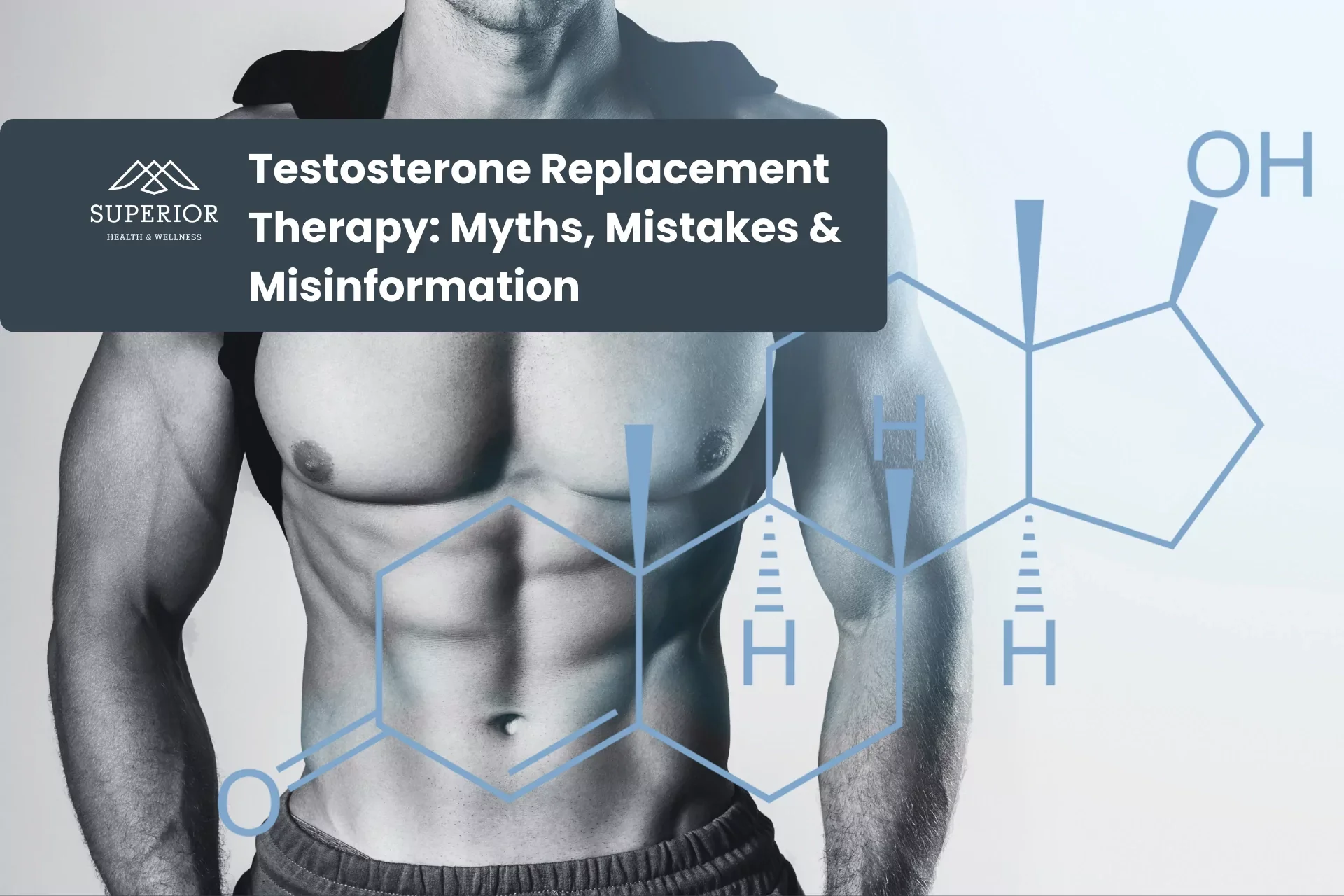
Testosterone Replacement Therapy: Myths, Misinformation, and Mistakes
Testosterone replacement therapy is often misunderstood online. This guide breaks down common TRT myths, medical mistakes, and misinformation while explaining what safe, ethical, provider-led testosterone care actually looks like.

The Role of Testosterone in Women’s Health: Addressing Fatigue, Libido & Cognitive Changes Safely
Testosterone isn’t just a “male” hormone—it plays a vital role in women’s health too. In this article we unpack how dropping testosterone levels in perimenopause and menopause can contribute to fatigue, low libido and cognitive sluggishness. We also look at safe, evidence-based ways to restore balance, what the research says, and when to seek professional guidance.
Human Chorionic Gonadotropin (hCG, Pregnyl®) Therapy for Men
Human Chorionic Gonadotropin (hCG) is one of the most effective tools Superior uses to help men protect fertility, maintain natural testosterone production, and restore hormonal balance. Whether paired with TRT or used as a standalone therapy, hCG supports testicular function and long-term hormone health. Learn how this powerful therapy works and what patients can expect throughout treatment.

Common Hormone Therapy Mistakes & How to Avoid Them
Hormone replacement therapy (HRT) can be life-changing when personalized and monitored. But too many well-intentioned patients stumble due to common missteps: using rigid protocols, skipping follow-up labs, ignoring lifestyle foundations, or working with the wrong provider. In this article, we walk you through the six most frequent mistakes — and how to sidestep them — so your hormone therapy journey leads to balance, safety, and lasting results.
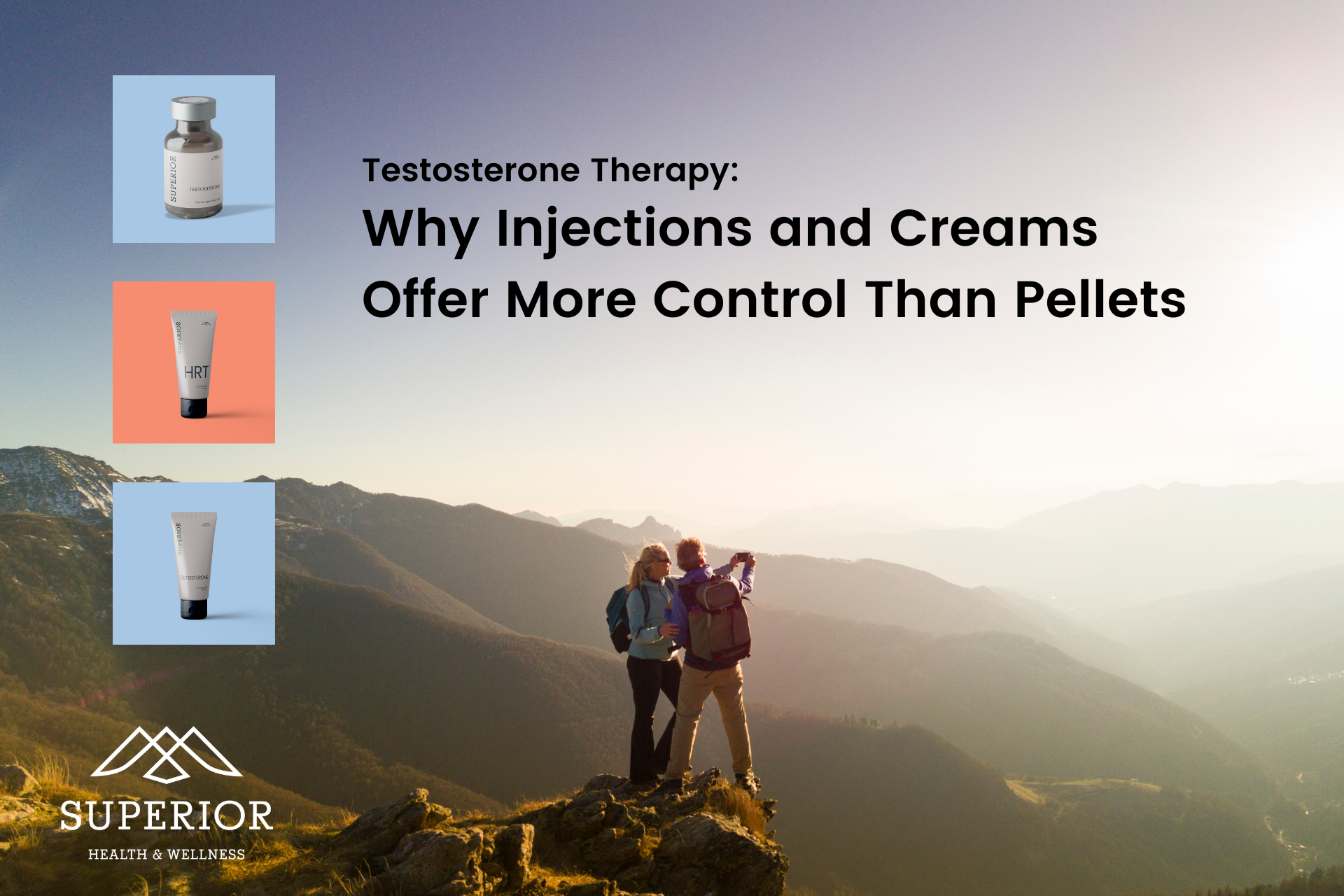
Testosterone Therapy: Why Injections and Creams Offer More Control Than Pellets
Testosterone therapy can be life-changing for men and women facing fatigue, low libido, or brain fog from hormone decline. This article compares the three main delivery methods—injectable, transdermal, and pellet therapy—and explains why injections and creams often offer greater control, safety, and flexibility than pellets.
Long-Term Health Benefits of Hormone Replacement Therapy (HRT) for Men and Women
Hormone replacement therapy (HRT) goes far beyond easing hot flashes or fatigue — it’s a long-term investment in your health. HRT helps by restoring hormonal balance, strengthen bones, sharpen focus, improve sleep, and support heart health in both men and women. Discover how personalized hormone therapy can enhance your vitality, protect your future wellness, and help you feel like yourself again.

How to Reduce GLP-1s GI Side Effects with Food, Lifestyle, and Supplements
Discover how to ease GLP-1 side effects like nausea, bloating, and constipation through simple food, lifestyle, and supplement strategies. Read more to learn how small adjustments can improve comfort and support your wellness journey.
This content contains information related to prescription medications and is intended for educational and advertising purposes in accordance with FDA requirements. All prescription therapies must be used only as directed and under the supervision of a licensed healthcare provider. Benefits and risks should be discussed with your provider. Some treatments may include compounded medications that have not been reviewed by the FDA for safety or effectiveness. Individual results may vary and are not guaranteed. Product images are for mock-up and branding purposes only and may differ from actual pharmacy-dispensed medications. Visuals are for illustrative purposes only; individuals shown are not actual patients. Statements made are not intended to diagnose, treat, cure, or prevent any disease. For full prescribing information, please consult your provider or review the medication safety information. You are encouraged to report negative side effects of prescription drugs to the FDA. Visit MedWatch or call 1-800-FDA-1088.