
Oxytocin Nasal Spray | Compounded Formulation
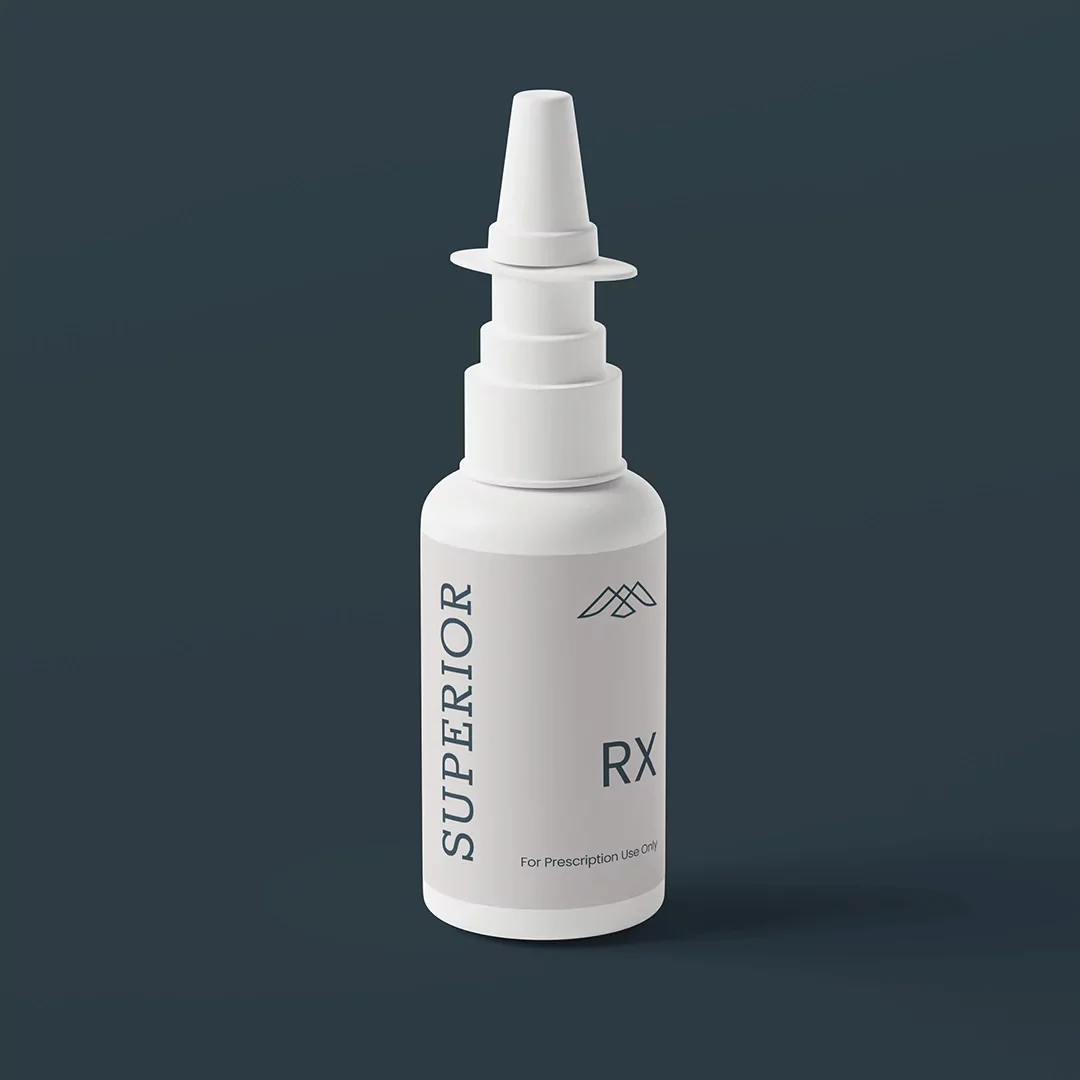
Oxytocin is a hormone your body naturally produces that plays a role in bonding, emotional connection, and aspects of sexual response. Compounded oxytocin nasal spray is formulated for intranasal use, allowing the medication to be absorbed through the nasal tissues without the need for injections.
If you are experiencing concerns related to intimacy, arousal, or emotional connection, your Superior provider may evaluate whether this option is appropriate for you. Some patients report improved sexual satisfaction, increased sensitivity, and a greater sense of relaxation and closeness. Others describe enhanced emotional openness or improved social comfort. Your experience may differ, and treatment is always individualized based on your medical history and provider assessment.
This is a compounded medication formulation dispensed by a licensed compounding pharmacy. Compounded medications are not FDA-approved and have not been reviewed for safety or efficacy. Review important medication safety information. Review important medication safety information.
Pricing is provided for reference only. All medications require a valid prescription from a Superior provider and are dispensed directly by our partnering pharmacies — not sold through this website.
Oxytocin is a hormone your body naturally produces that plays a role in bonding, emotional connection, and aspects of sexual response. Compounded oxytocin nasal spray is formulated for intranasal use, allowing the medication to be absorbed through the nasal tissues without the need for injections.
If you are experiencing concerns related to intimacy, arousal, or emotional connection, your Superior provider may evaluate whether this option is appropriate for you. Some patients report improved sexual satisfaction, increased sensitivity, and a greater sense of relaxation and closeness. Others describe enhanced emotional openness or improved social comfort. Your experience may differ, and treatment is always individualized based on your medical history and provider assessment.
This is a compounded medication formulation dispensed by a licensed compounding pharmacy. Compounded medications are not FDA-approved and have not been reviewed for safety or efficacy. Review important medication safety information. Review important medication safety information.
Pricing is provided for reference only. All medications require a valid prescription from a Superior provider and are dispensed directly by our partnering pharmacies — not sold through this website.
Important Safety Information: Oxytocin Nasal Spray | Compounded Formulation
What is this?
This Important Safety Information summarizes key warnings and precautions for Oxytocin Nasal Spray, a compounded formulation of oxytocin administered intranasally. Oxytocin is a naturally occurring hormone involved in uterine contractions, lactation, and social bonding pathways. While oxytocin is FDA-approved in injectable form for specific obstetric indications such as labor induction and postpartum bleeding control, compounded intranasal formulations are not reviewed or approved by the U.S. Food and Drug Administration (FDA) for safety or efficacy.
This compounded nasal spray should only be used exactly as directed by a licensed healthcare provider. This summary does not include all available information. Always review your prescription label and follow your provider’s instructions.
Most Serious Warnings
Product can cause:
Severe allergic reactions, including anaphylaxis
High blood pressure or sudden cardiovascular changes
Bleeding in the brain (rare but serious)
Uterine rupture in pregnant individuals
Excessive water retention or fluid imbalance (hyponatremia)
Seizures
Abnormal heart rhythms or slow heart rate
Severe uterine contractions or heavy bleeding
Rare reports of fetal harm when used improperly in pregnancy
Compounded oxytocin formulations may carry sterility or formulation risks due to limited FDA oversight.
Do NOT use oxytocin to induce labor unless medically necessary and under direct provider supervision.
Who Should NOT Take Oxytocin
Do not take this medication if you:
Have a known allergy to oxytocin or any ingredient in the formulation
Are pregnant unless specifically prescribed for a medically appropriate reason
Have been advised to avoid uterine-stimulating medications
Have uncontrolled high blood pressure
Have a history of uterine rupture or conditions where strong uterine contractions are unsafe
Have serious cardiovascular instability without provider clearance
Before Taking Oxytocin, Tell Your Healthcare Provider if You:
Are pregnant, planning pregnancy, or breastfeeding
Have a history of high blood pressure or cardiovascular disease
Have a history of seizures
Have kidney disease or fluid balance disorders
Have a history of abnormal bleeding
Are taking prescription medications, over-the-counter drugs, supplements, or herbal products
Smoke, drink alcohol, or use recreational substances
Have any chronic medical conditions
Do not start, stop, or change the dose of any medication without speaking to your provider.
Possible Side Effects
Common (mild to moderate):
Nausea or upset stomach
Vomiting
Headache
Nasal irritation or discomfort
Mild dizziness
Serious (seek medical care immediately):
Rash, hives, swelling of the face, lips, or throat
Trouble breathing or swallowing
Severe headache or visual changes
Sudden weakness on one side of the body
Slurred speech or confusion
Chest pain or abnormal heartbeat
Seizures
Heavy bleeding (soaking one pad per hour)
Severe abdominal pain
Difficulty urinating
You are encouraged to report negative side effects of prescription drugs to the FDA at 1-800-FDA-1088 or via MedWatch at www.fda.gov/medwatch.
While Taking Oxytocin
Tell your healthcare provider immediately if you:
Experience severe headache or blood pressure changes
Develop unusual swelling or signs of fluid retention
Have abnormal bleeding
Notice heart rhythm changes
Develop neurological symptoms such as confusion, imbalance, or vision changes
Experience symptoms of an allergic reaction
It may take time to notice clinical effects depending on the indication. Contact your provider if symptoms do not improve or if they worsen.
Pregnancy and Breastfeeding
Oxytocin has approved clinical uses in obstetric settings. However, use outside of medically supervised protocols may carry serious risks.
If you are pregnant, planning to become pregnant, or breastfeeding, discuss the risks and benefits with your provider before use.
Overdose
Symptoms of oxytocin overdose may include:
Severe uterine cramping
Excessive bleeding
Severe headache
Fluid retention or confusion
Seizures
Cardiovascular instability
If overdose is suspected, seek emergency medical attention or contact Poison Control immediately.
Missed Dosage
If you miss a dose:
Take it when remembered unless it is near the time of your next scheduled dose
Skip the missed dose if close to the next dose
Do not double doses
Contact your provider if unsure how to resume therapy
Storage
Store as directed on your prescription label
Keep out of reach of children and pets
Dispose of unused or expired medication according to local hazardous medication regulations
Do not flush down a toilet or pour into household drains unless instructed
Medication Disposal
Dispose of unused or expired medication according to local hazardous waste regulations or medication take-back programs. Ask your pharmacist or provider if unsure how to properly discard the medication.
Provider Oversight and Order Review
This compounded medication requires review and oversight by licensed Superior Health and Wellness providers. Dosing and frequency must be discussed directly with your provider to ensure safety and clinical appropriateness. Orders may be adjusted based on medical history, goals, or response to therapy.
Telemedicine Disclosure
This prescription may have been issued via telemedicine. If you experience concerning or severe symptoms, contact your prescribing clinician immediately or seek emergency medical care.
Disclaimer
This summary does not include all information about oxytocin and should not replace individualized medical guidance. Always consult your healthcare provider or pharmacist for complete safety information, potential interactions, and personalized treatment recommendations.
This compounded nasal spray has not been evaluated or approved by the FDA for safety or efficacy.
