The Superior Learning Hub
Here, you’ll find a wealth of information on topics like peptide therapy, hormone replacement, nutritional coaching, performance improvements, and more.
Medical Disclaimer: The content provided on this website is for informational and educational purposes only and is not intended as a substitute for professional medical advice, diagnosis, or treatment. Always seek the guidance of your physician or a qualified healthcare provider with any questions you may have regarding your health or a medical condition. Do not disregard or delay seeking professional medical advice because of something you have read on this site. The information provided is not intended to diagnose, treat, cure, or prevent any disease. Individual results may vary.

The Role of Testosterone in Women’s Health: Addressing Fatigue, Libido & Cognitive Changes Safely
Testosterone isn’t just a “male” hormone—it plays a vital role in women’s health too. In this article we unpack how dropping testosterone levels in perimenopause and menopause can contribute to fatigue, low libido and cognitive sluggishness. We also look at safe, evidence-based ways to restore balance, what the research says, and when to seek professional guidance.
Common Hormone Therapy Mistakes & How to Avoid Them
Hormone replacement therapy (HRT) can be life-changing when personalized and monitored. But too many well-intentioned patients stumble due to common missteps: using rigid protocols, skipping follow-up labs, ignoring lifestyle foundations, or working with the wrong provider. In this article, we walk you through the six most frequent mistakes — and how to sidestep them — so your hormone therapy journey leads to balance, safety, and lasting results.
Testosterone Therapy: Why Injections and Creams Offer More Control Than Pellets
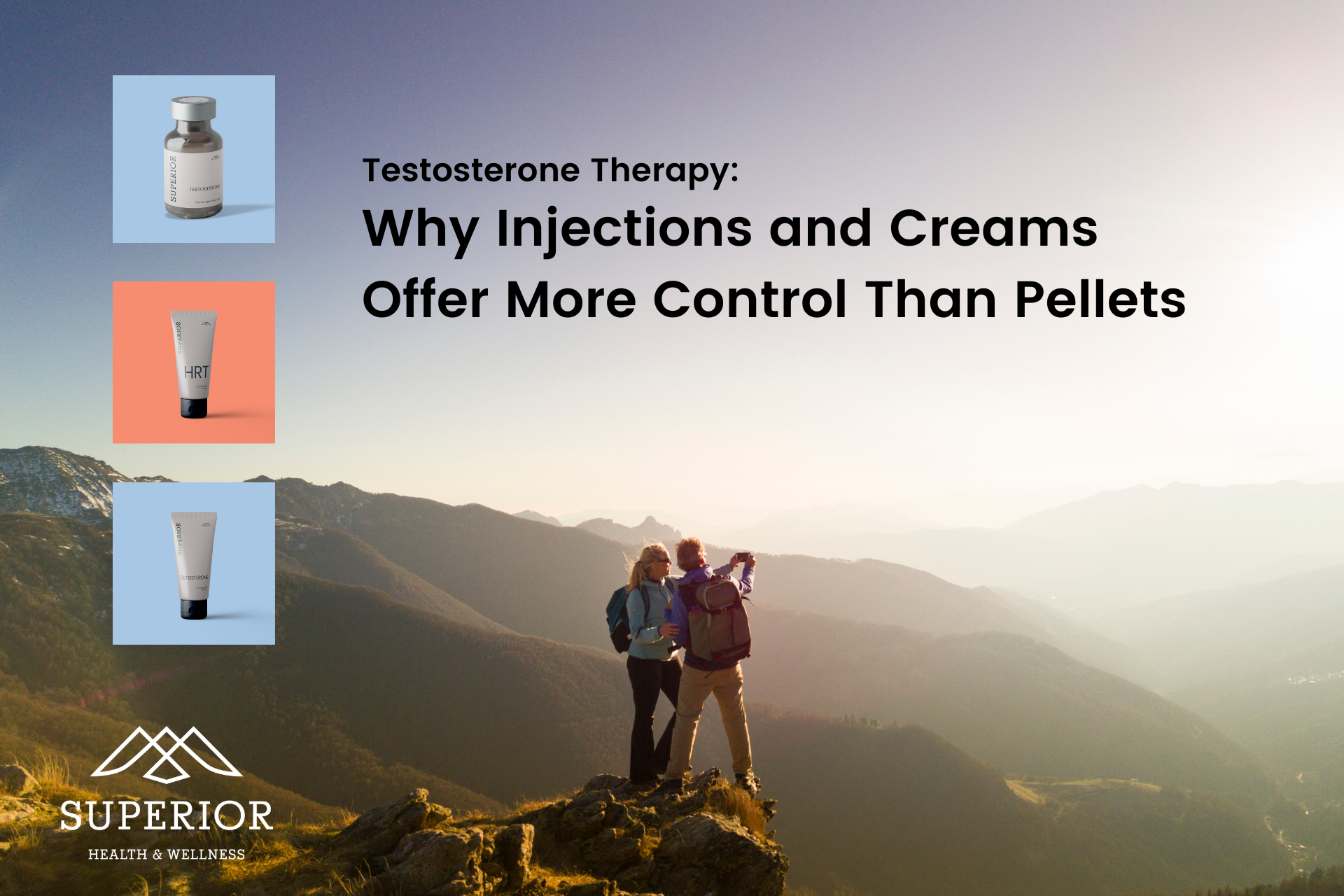
Testosterone therapy can be life-changing for men and women facing fatigue, low libido, or brain fog from hormone decline. This article compares the three main delivery methods—injectable, transdermal, and pellet therapy—and explains why injections and creams often offer greater control, safety, and flexibility than pellets.
Long-Term Health Benefits of Hormone Replacement Therapy (HRT) for Men and Women
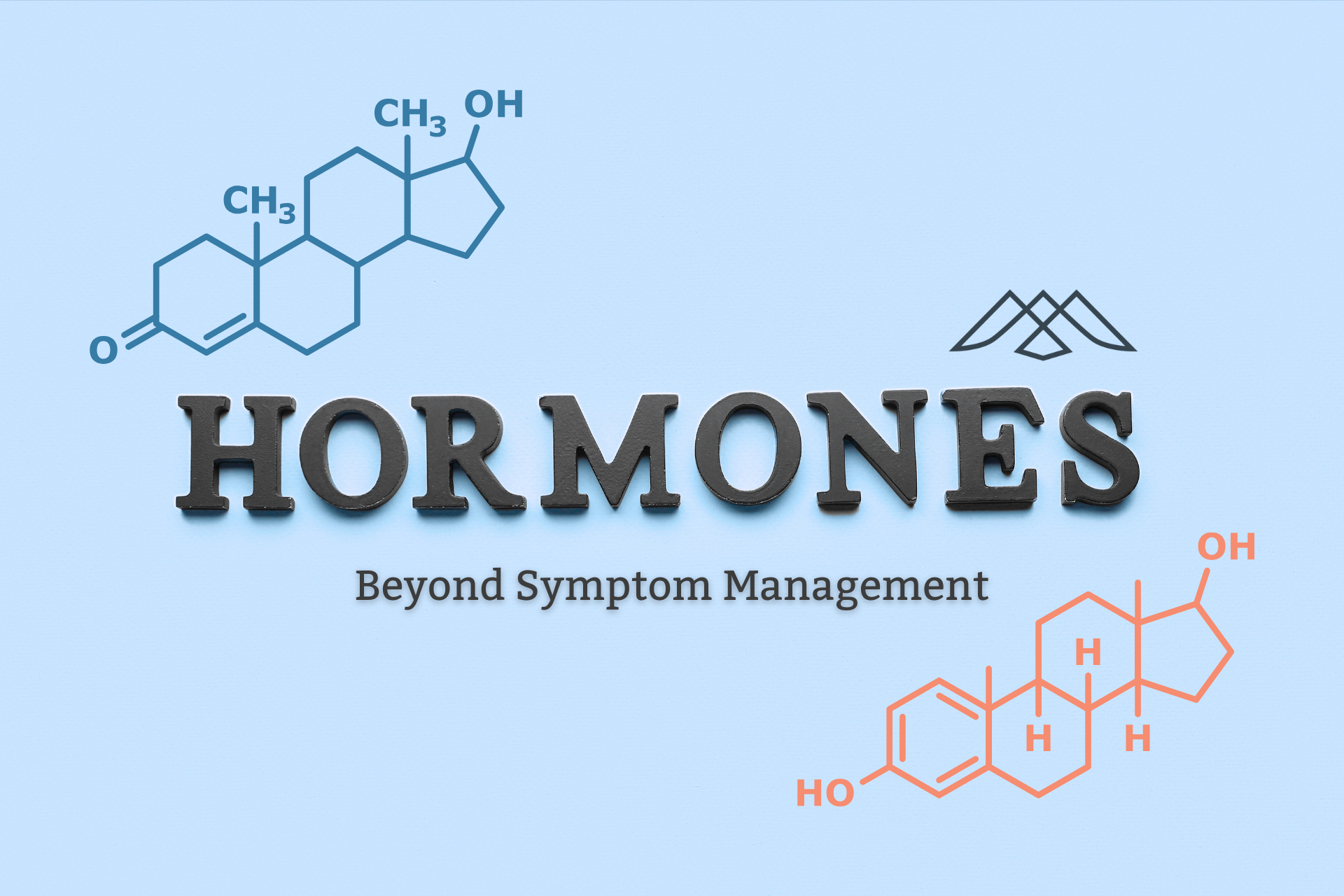
Hormone replacement therapy (HRT) goes far beyond easing hot flashes or fatigue — it’s a long-term investment in your health. HRT helps by restoring hormonal balance, strengthen bones, sharpen focus, improve sleep, and support heart health in both men and women. Discover how personalized hormone therapy can enhance your vitality, protect your future wellness, and help you feel like yourself again.
This content contains information related to prescription medications and is intended for educational and advertising purposes in accordance with FDA requirements. All prescription therapies must be used only as directed and under the supervision of a licensed healthcare provider. Benefits and risks should be discussed with your provider. Some treatments may include compounded medications that have not been reviewed by the FDA for safety or effectiveness. Individual results may vary and are not guaranteed. Product images are for mock-up and branding purposes only and may differ from actual pharmacy-dispensed medications. Visuals are for illustrative purposes only; individuals shown are not actual patients. Statements made are not intended to diagnose, treat, cure, or prevent any disease. For full prescribing information, please consult your provider or review the medication safety information. You are encouraged to report negative side effects of prescription drugs to the FDA. Visit MedWatch or call 1-800-FDA-1088.