
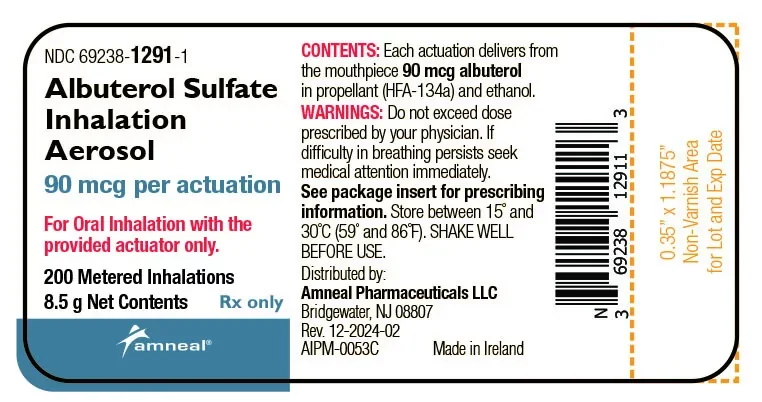
Albuterol Inhaler
Albuterol Sulfate | Rescue Inhaler for Asthma and Breathing Problems
What is this medication?
Albuterol is a short-acting bronchodilator used to quickly relieve breathing problems caused by narrowing of the airways. It belongs to a class of medications called beta-2 adrenergic agonists.
This medication works by relaxing the muscles around the airways in the lungs, allowing the airways to open wider so air can move in and out more easily. This can quickly improve symptoms such as wheezing, chest tightness, coughing, and shortness of breath.
Albuterol is commonly used as a “rescue inhaler”, meaning it is taken when breathing symptoms suddenly occur.
Providers may prescribe this medication to:
Treat asthma attacks
Relieve bronchospasm associated with asthma or other airway diseases
Prevent breathing problems caused by exercise-induced bronchospasm
Provide rapid relief during acute breathing difficulty
This medication should only be used when prescribed by a licensed healthcare provider.
-
When traveling with an inhaler:
Keep your inhaler in your carry-on bag when flying
Store the inhaler at room temperature
Avoid extreme heat or freezing temperatures
Keep the inhaler in its original labeled packaging
Make sure you have extra doses available for your trip
Carry your inhaler with you during physical activity or excursions
When should this medication be used?
Your provider may recommend using this medication if you experience symptoms such as:
Wheezing
Shortness of breath
Tightness in the chest
Persistent coughing caused by airway irritation
Difficulty breathing during physical activity
Asthma flare-ups
This inhaler is intended for quick relief of symptoms, not for daily long-term control of asthma unless directed by your provider.
If your symptoms are occurring more often or your inhaler is not providing relief, you should contact your provider.
-
Follow the directions on your prescription label and your provider’s instructions.
Albuterol inhalers are used by inhaling the medication through the mouth into the lungs.
General instructions may include:
Shake the inhaler well before each use
Remove the cap from the mouthpiece
Breathe out fully before using the inhaler
Place the mouthpiece in your mouth and seal your lips around it
Press down on the inhaler while breathing in slowly and deeply
Hold your breath for about 10 seconds if possible
Breathe out slowly
Your provider may instruct:
1 to 2 inhalations every 4 to 6 hours as needed for breathing symptoms
2 inhalations 15 to 30 minutes before exercise to prevent exercise-induced bronchospasm
Do not exceed the number of inhalations recommended by your provider.
-
Properly disposing of your inhaler helps protect others and the environment.
Do not puncture or burn the inhaler canister, even if it appears empty
Do not throw the inhaler into fire or expose it to high heat
Follow local guidelines for medication disposal if available
If no take-back program is available, dispose of the inhaler in household trash after removing any personal information
If you are unsure how to dispose of this medication, ask your pharmacist or healthcare provider.
-
While using albuterol, it is important to monitor your symptoms and use the medication correctly.
Use only as prescribed. Do not exceed the recommended number of inhalations
If you need to use your inhaler more frequently than usual, contact your provider. This may indicate worsening asthma or breathing control
Monitor how well the medication relieves your symptoms. Reduced effectiveness may require medical evaluation
Shake the inhaler well before each use and use proper inhalation technique
Use a spacer device if recommended to improve medication delivery
Avoid triggers that worsen your breathing symptoms when possible
Keep track of how many doses you have used so you do not run out unexpectedly
Risks while taking albuterol may include:
Increased heart rate or palpitations
Tremors or shakiness
Nervousness or anxiety
Temporary increases in blood pressure
Low potassium levels with excessive use
Seek medical care right away if:
Your breathing does not improve after use
Your symptoms worsen or return quickly
You experience severe chest pain, rapid heartbeat, or fainting
This medication is meant for quick relief. It does not replace long-term control medications if those have been prescribed.
-
Some medications may interact with albuterol.
Tell your provider if you take:
Beta-blockers, which may reduce the effectiveness of albuterol or worsen breathing symptoms
Other bronchodilators or stimulant medications
Diuretics (water pills) that may affect potassium levels
Digoxin, which may require monitoring
MAO inhibitors or tricyclic antidepressants, which may increase cardiovascular effects
Your provider may adjust treatment or monitor you more closely.
Important Safety Information
-
Albuterol is generally safe when used as directed, but important safety warnings must be understood.
Most serious warnings may include:
Paradoxical bronchospasm, a rare reaction where breathing suddenly becomes worse after using the inhaler
Severe allergic reactions, including swelling of the face, lips, tongue, or throat
Cardiovascular effects, such as increased heart rate or changes in blood pressure
Excessive use, which may lead to serious complications and can be life-threatening
Low potassium levels (hypokalemia) in some patients
Changes in blood glucose levels
-
Stop using the medication and seek medical care immediately if you experience:
Severe worsening breathing problems
Chest pain
Rapid or irregular heartbeat
Severe dizziness or fainting
Swelling of the face, lips, tongue, or throat
Severe allergic reaction symptoms
Frequent need for this inhaler may indicate worsening asthma or lung disease and should be evaluated by a healthcare provider.
-
Do not use this medication unless directed by your healthcare provider if you:
Have a known allergy to albuterol or any ingredients in the inhaler
Have experienced serious reactions to other inhaled bronchodilators
Use caution and speak with your provider before using this medication if you:
Have heart conditions such as arrhythmias, high blood pressure, or coronary artery disease
Have a history of seizures
Have thyroid disorders such as hyperthyroidism
Have diabetes, as this medication may affect blood sugar levels
Are pregnant, planning to become pregnant, or breastfeeding
This medication may not be appropriate for you depending on your medical history and current medications.
-
Tell your provider if you:
Have a history of heart disease
Have high blood pressure
Have seizure disorders
Have thyroid disease
Have diabetes
Have low potassium levels
Are pregnant or breastfeeding
Have had allergic reactions to albuterol or other inhalers
Take other prescription medications like:
Beta-blockers, which may reduce the effectiveness of albuterol or worsen breathing symptoms
Other bronchodilators or stimulant medications
Diuretics (water pills) that may affect potassium levels
Digoxin, which may require monitoring
MAO inhibitors or tricyclic antidepressants, which may increase cardiovascular effects
Your provider may adjust treatment or monitor you more closely.
-
Common side effects may include:
Headache
Rapid heartbeat (tachycardia)
Dizziness
Throat irritation
Runny nose (rhinitis)
Muscle tremors or shakiness
Nervousness
These side effects are usually mild and temporary.
Serious side effects may include:
Severe chest pain or heart rhythm changes
Severe allergic reactions
Sudden worsening breathing after inhalation
Severe weakness or muscle cramps due to low potassium
High blood sugar in some individuals
Seek immediate medical attention if you experience severe symptoms.
You are encouraged to report negative side effects of prescription drugs to the FDA. Visit MedWatch or call 1-800-FDA-1088.
-
Using too much albuterol can lead to serious side effects.
Seek medical attention right away or contact Poison Control if you experience:
Chest pain or pressure
Fast, pounding, or irregular heartbeat
Severe tremors or shaking
Nervousness or restlessness that feels intense or uncontrollable
Headache that does not improve
Dizziness or fainting
Shortness of breath that worsens instead of improving
Overuse of albuterol may also reduce how well the medication works over time and may signal that your condition is not well controlled.
-
Properly disposing of your inhaler helps protect others and the environment.
Do not puncture or burn the inhaler canister, even if it appears empty
Do not throw the inhaler into fire or expose it to high heat
Follow local guidelines for medication disposal if available
If no take-back program is available, dispose of the inhaler in household trash after removing any personal information
If you are unsure how to dispose of this medication, ask your pharmacist or healthcare provider.
Disclaimers
-
This prescription may have been issued through a telemedicine consultation with a licensed healthcare provider. If you experience severe symptoms, worsening illness, or any concerning reactions while using this medication, contact your prescribing clinician immediately or seek emergency medical care.
-
This medication guide summarizes important safety information derived from pharmacy labeling, medication manufacturers, and prescribing references. It is intended to help patients understand the safe use of medications included in the Superior Health & Wellness Travel Medical Kit.
This guide does not contain the complete prescribing information for Albuterol Inhaler. Always follow the directions provided by your healthcare provider and the instructions on the pharmacy label that accompanies your prescription.
Medications included in travel medical kits are prescribed only after a clinical evaluation by a licensed healthcare provider. Prescriptions are issued based on your medical history, current medications, allergies, and overall health needs. Not all patients will qualify for every medication or kit configuration, and the contents of each kit may vary based on provider discretion and patient suitability.
Some medications included in travel medical kits are commercially manufactured medications dispensed through licensed pharmacies. In certain cases, a medication may be provided as a compounded formulation prepared by a licensed compounding pharmacy when a provider determines that a compounded version is medically appropriate for a patient. Compounded medications are not reviewed or approved by the U.S. Food and Drug Administration (FDA) for safety or effectiveness but are prepared by licensed pharmacies in accordance with applicable pharmacy regulations.
Travel Medical Kits are intended to provide limited medication support during travel when timely access to medical care may be difficult. These kits are not a substitute for routine medical care, primary care services, or emergency medical treatment. Purchasing a Travel Medical Kit does not establish a primary care relationship with Superior Health & Wellness and does not include ongoing medical supervision beyond the initial provider evaluation used to determine eligibility for the kit.
Patients experiencing severe illness, worsening symptoms, medication reactions, or medical emergencies should seek immediate medical care or contact a licensed healthcare professional.
Medical services and prescriptions offered through Superior Health & Wellness are provided by licensed healthcare professionals in accordance with applicable state and federal laws. Prescription medications are dispensed by licensed pharmacies following a valid provider prescription.
Patients are encouraged to report negative side effects of prescription medications to the U.S. Food and Drug Administration (FDA). Visit MedWatch or call 1-800-FDA-1088.