
Flagyl
Flagyl (Metronidazole) 500mg | Antibiotic for Bacterial and Parasitic Infections
What is this medication?
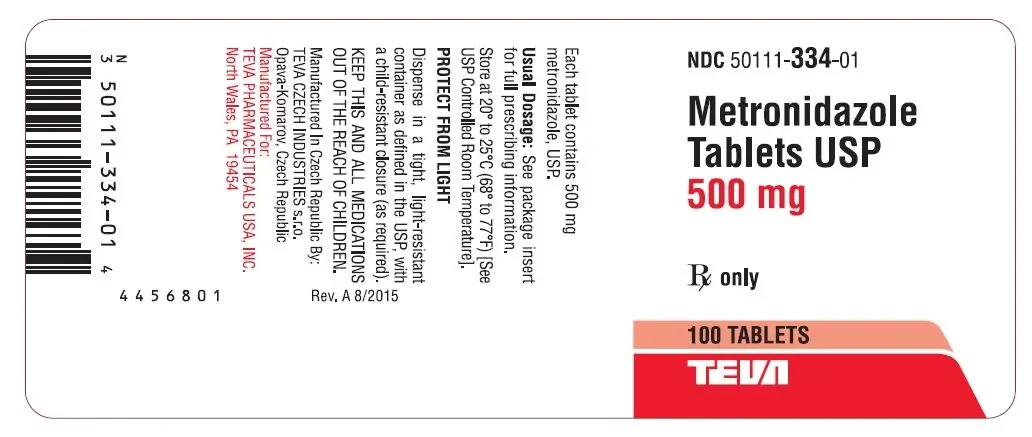
Flagyl (metronidazole 500 mg) is an antibiotic and antiparasitic medication used to treat specific types of bacterial and parasitic infections in the body.
It is especially effective against anaerobic bacteria (bacteria that grow without oxygen) and certain parasites that can infect the digestive tract, reproductive system, skin, and other areas. These types of infections are more common in situations such as contaminated food or water exposure, travel-related illness, or infections that develop in low-oxygen environments within the body.
Metronidazole works by entering bacterial and parasite cells and disrupting their DNA. This prevents the organisms from growing and multiplying, allowing your body to clear the infection.
This medication may be used for infections such as:
intestinal infections caused by parasites or bacteria
infections related to contaminated food or water
gynecologic or pelvic infections
dental or deep tissue infections involving anaerobic bacteria
Because this medication targets specific organisms, it will not work for viral illnesses such as the common cold or flu.
Flagyl should only be used when prescribed or when your provider has clearly instructed you to start it.
-
When traveling with this medication:
Keep the medication in its original labeled pharmacy container
Store at room temperature in a cool, dry place
Carry medications in your carry-on bag when flying
Keep a list of your medications and prescriptions with you while traveling
Follow your provider’s instructions for when to begin treatment
When should this medication be used?
Your provider may recommend this medication if you develop symptoms consistent with certain bacterial or parasitic infections while traveling or away from immediate medical care.
Examples of situations where this medication may be used include:
persistent diarrhea caused by certain parasites or bacterial infections
abdominal pain associated with intestinal infections
infections caused by anaerobic bacteria
certain gynecologic or pelvic infections
dental infections or infections involving deep tissue bacteria
bacterial infections that occur after contaminated food or water exposure
Your provider may give specific instructions for when to begin treatment.
Do not use antibiotics for viral illnesses such as the common cold or most cases of mild viral stomach illness unless directed by your provider. Using antibiotics when they are not needed can contribute to antibiotic resistance.
-
Follow the directions on your prescription label and any instructions provided by your healthcare provider.
General guidance includes:
Take the medication exactly as prescribed by your provider
Take doses at evenly spaced times during the day
Swallow the tablet with a full glass of water
This medication may be taken with food if stomach upset occurs
Complete the entire prescribed course, even if symptoms improve early
Do not skip doses
Skipping doses or stopping treatment early may reduce the effectiveness of the medication and increase the likelihood that bacteria will become resistant to the antibiotic.
If you miss a dose, take it as soon as you remember unless it is almost time for your next scheduled dose. Do not take two doses at the same time unless instructed by your provider.
-
Skipping doses or stopping treatment early may reduce the effectiveness of the medication and increase the likelihood that bacteria will become resistant to the antibiotic.
If you miss a dose, take it as soon as you remember unless it is almost time for your next scheduled dose. Do not take two doses at the same time unless instructed by your provider.
-
Important precautions while taking this medication
Avoid alcohol completely while taking this medication and for at least 3 days after your last dose.
Drinking alcohol while using metronidazole may cause a reaction that includes:
severe nausea or vomiting
abdominal cramps
flushing
headache
These reactions occur because alcohol interacts with the medication in the body.
Additional precautions include:
Take the medication exactly as directed by your provider
Do not share this medication with others
Do not use it for illnesses that have not been diagnosed by a healthcare provider
Contact a healthcare professional if symptoms worsen or do not improve
-
Tell your provider about all medications and supplements you are taking.
Important interactions may occur with:
warfarin or other blood thinners
lithium
disulfiram (used for alcohol dependence)
busulfan
medications that affect liver enzyme activity
Metronidazole may increase the effect of blood-thinning medications such as warfarin and may increase lithium levels in the body. Close monitoring may be required when these medications are used together.
Important Safety Information
-
Most serious warnings may include:
severe allergic reactions
serious skin reactions including Stevens-Johnson syndrome or toxic epidermal necrolysis
nerve problems such as numbness or tingling in the hands or feet
seizures or other neurologic symptoms
severe intestinal infection causing persistent diarrhea
liver problems in certain individuals
Metronidazole has been associated with central nervous system effects such as seizures, encephalopathy, and peripheral neuropathy. Patients should stop the medication and contact a healthcare provider immediately if they experience neurologic symptoms such as numbness, tingling, dizziness, coordination problems, or confusion.
Serious dermatologic reactions including Stevens-Johnson syndrome, toxic epidermal necrolysis, and DRESS syndrome have also been reported. If a rash or skin reaction develops, discontinue the medication and seek medical care.
-
Stop taking this medication and seek immediate medical attention if you experience:
swelling of the face, lips, tongue, or throat
severe rash, blistering skin, or peeling skin
persistent numbness or tingling in the arms or legs
seizures or severe dizziness
yellowing of the skin or eyes
severe or bloody diarrhea
You are encouraged to report negative side effects of prescription drugs to the FDA. Visit MedWatch or call 1-800-FDA-1088.
-
Who Should NOT Take This Medication
Do not take this medication if you:
Are allergic to hydroxychloroquine or similar medications (4-aminoquinolines)
Have known hypersensitivity to this medication
Use with caution or avoid if you have:
Certain heart rhythm disorders
Retinal or vision problems
Psoriasis (may worsen condition)
Porphyria (may worsen condition)
G6PD deficiency
Severe kidney or liver disease
-
Tell your healthcare provider if you:
are allergic to metronidazole or similar medications
have liver disease
have kidney disease
have a history of blood disorders
have neurologic conditions such as seizures or nerve disorders
are pregnant or planning to become pregnant
are breastfeeding
Metronidazole crosses the placenta and is present in breast milk. Nursing mothers may be advised to pump and discard breast milk during treatment and for a period after the last dose depending on provider recommendations.
Older adults may require monitoring because reduced liver function can increase drug levels in the body.
-
Common side effects may include:
nausea
stomach discomfort
diarrhea
loss of appetite
headache
dizziness
metallic taste in the mouth
dry mouth
dark or reddish urine
Some patients may experience a temporary metallic taste or changes in taste while taking this medication. Gastrointestinal symptoms such as nausea or abdominal discomfort are also commonly reported.
Contact your provider if side effects become severe or do not improve.
-
Taking more metronidazole than prescribed can increase the risk of serious side effects, particularly involving the nervous system.
Symptoms of an overdose may include:
severe nausea or repeated vomiting
loss of coordination or difficulty walking (ataxia)
dizziness or confusion
numbness or tingling in the hands or feet
seizures (in severe cases)
There is no specific antidote for metronidazole overdose. Treatment is supportive and may require monitoring in a medical setting.
If you believe you may have taken too much of this medication, seek medical care immediately or contact Poison Control.
-
It is important to dispose of unused or expired metronidazole properly to prevent accidental use or harm.
Do not flush this medication down the toilet unless instructed to do so
Do not pour into sinks or drains
If available, use a local medication take-back program or pharmacy disposal service
If no take-back option is available, mix the medication with an undesirable substance (such as coffee grounds or cat litter), place it in a sealed container, and dispose of it in the household trash
Always keep medications out of reach of children and pets.
Disclaimers
-
Some Travel Medical Kits may include prescription antibiotics that have been prescribed by a licensed healthcare provider for emergency use during travel when timely access to medical care may be limited.
These medications are intended to help patients manage certain suspected bacterial infections that may occur during travel when medical evaluation is not immediately available. Antibiotics included in travel kits should only be used according to the instructions provided by your healthcare provider and the guidance outlined in your medication safety guide.
Antibiotics are not effective against viral illnesses, including the common cold, influenza, or most sore throats. Using antibiotics when they are not medically necessary can contribute to antibiotic resistance and may expose patients to unnecessary medication risks.
Patients should only begin an antibiotic when symptoms clearly match the guidance provided in the medication instructions or when directed by a licensed healthcare provider.
If symptoms are severe, worsening, or do not improve within the expected time frame, patients should seek medical care as soon as possible.
Travel kit antibiotics are intended for short-term use during travel and should not be used for routine illnesses or without appropriate medical guidance.
Patients should never share prescription medications with others and should never take antibiotics that were prescribed for another individual.
To help prevent antibiotic overuse, antibiotic stockpiling, and unsafe self-treatment, Superior Health & Wellness’s practices the following stewardship principles:
antibiotics are prescribed only after review by a licensed provider for appropriate travel-related use
quantities are limited to the intended treatment course
refills or replacement requests require clinical review, and may be limited
patients should not save antibiotics for unrelated future illnesses or share them with others
patients should contact a provider if symptoms worsen, do not improve, or appear inconsistent with a bacterial infection
antibiotics in travel kits are intended for appropriate, provider-directed use only
These stewardship principles align with the prescribing information’s warnings to use the medication only for proven or strongly suspected bacterial infections and to counsel patients against misuse that can contribute to drug-resistant bacteria.
-
This prescription may have been issued through a telemedicine consultation with a licensed healthcare provider. If you experience severe symptoms, worsening illness, or any concerning reactions while using this medication, contact your prescribing clinician immediately or seek emergency medical care.
-
This medication guide summarizes important safety information derived from pharmacy labeling, medication manufacturers, and prescribing references. It is intended to help patients understand the safe use of medications included in the Superior Health & Wellness Travel Medical Kit.
This guide does not contain the complete prescribing information for Flagyl. Always follow the directions provided by your healthcare provider and the instructions on the pharmacy label that accompanies your prescription.
Medications included in travel medical kits are prescribed only after a clinical evaluation by a licensed healthcare provider. Prescriptions are issued based on your medical history, current medications, allergies, and overall health needs. Not all patients will qualify for every medication or kit configuration, and the contents of each kit may vary based on provider discretion and patient suitability.
Some medications included in travel medical kits are commercially manufactured medications dispensed through licensed pharmacies. In certain cases, a medication may be provided as a compounded formulation prepared by a licensed compounding pharmacy when a provider determines that a compounded version is medically appropriate for a patient. Compounded medications are not reviewed or approved by the U.S. Food and Drug Administration (FDA) for safety or effectiveness but are prepared by licensed pharmacies in accordance with applicable pharmacy regulations.
Travel Medical Kits are intended to provide limited medication support during travel when timely access to medical care may be difficult. These kits are not a substitute for routine medical care, primary care services, or emergency medical treatment. Purchasing a Travel Medical Kit does not establish a primary care relationship with Superior Health & Wellness and does not include ongoing medical supervision beyond the initial provider evaluation used to determine eligibility for the kit.
Patients experiencing severe illness, worsening symptoms, medication reactions, or medical emergencies should seek immediate medical care or contact a licensed healthcare professional.
Medical services and prescriptions offered through Superior Health & Wellness are provided by licensed healthcare professionals in accordance with applicable state and federal laws. Prescription medications are dispensed by licensed pharmacies following a valid provider prescription.
Patients are encouraged to report negative side effects of prescription medications to the U.S. Food and Drug Administration (FDA). Visit MedWatch or call 1-800-FDA-1088.