
Bactrim DS
Sulfamethoxazole / Trimethoprim | Antibiotic for Urinary Tract and Certain Bacterial Infections
Bactrim DS contains two antibiotics, sulfamethoxazole and trimethoprim. These medications work together to treat certain bacterial infections by blocking steps that bacteria need to grow and reproduce.
This combination antibiotic is commonly used to treat infections caused by susceptible bacteria, including urinary tract infections and some gastrointestinal or respiratory bacterial infections. It may also be used for certain skin infections or other bacterial illnesses when a healthcare provider determines it is appropriate.
Sulfamethoxazole belongs to a class of medications called sulfonamide antibiotics, while trimethoprim works by interfering with bacterial folic acid production. When used together, these medications stop bacteria from multiplying, allowing the body’s immune system to clear the infection more effectively.
Providers may prescribe sulfamethoxazole and trimethoprim for infections such as:
Urinary tract infections (UTIs)
Traveler’s diarrhea caused by certain bacteria
Some respiratory or sinus infections
Certain skin infections caused by bacteria
Other bacterial infections determined appropriate by a provider
Because this medication works only against bacteria, it will not treat viral illnesses such as colds, influenza, or most sore throats.
This medication should only be used when prescribed by a licensed healthcare provider.
What is this medication?
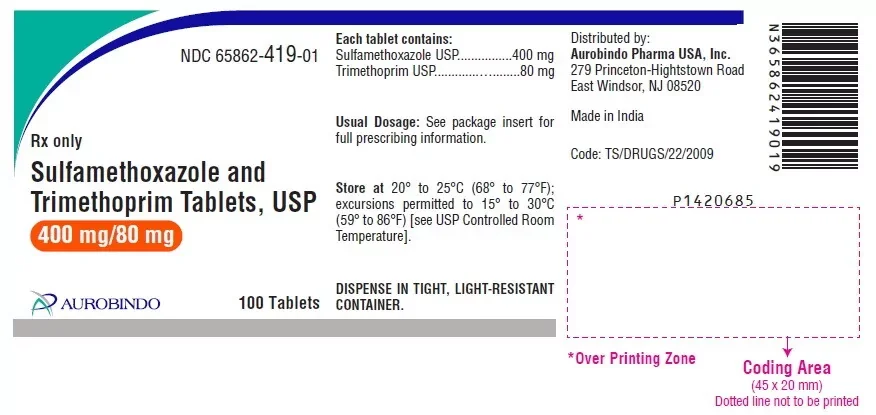
-
Store medication in a cool, dry place while traveling
Keep medication in the original labeled packaging
Carry medication in your carry-on bag when flying
Stay well hydrated while taking this antibiotic unless told otherwise
Do not start or reuse leftover antibiotics from a previous illness without provider guidance
When should this medication be used?
Your provider may recommend using this medication if you experience symptoms such as:
burning or pain with urination
frequent urination or urgency
lower abdominal discomfort with suspected urinary tract infection
traveler’s diarrhea caused by susceptible bacteria
other bacterial infections diagnosed or strongly suspected by your provider
Do not use this medication for viral illnesses such as a cold or flu. The prescribing information states this antibiotic should only be used to treat or prevent infections that are proven or strongly suspected to be caused by susceptible bacteria, in order to help reduce drug-resistant bacteria.
-
Follow the directions on your prescription label.
Take the medication exactly as directed by your provider
Complete the full course of treatment unless instructed otherwise
Take doses at evenly spaced times
Do not skip doses
Drink enough fluids while taking this medication unless your provider tells you otherwise
-
If you miss a dose, follow your provider’s instructions or contact your pharmacy. The prescribing information also advises maintaining adequate fluid intake to help reduce the risk of crystalluria and stone formation.
-
While taking sulfamethoxazole and trimethoprim, certain precautions may help reduce the risk of side effects and complications.
Drink adequate fluids while taking this medication unless your provider instructs otherwise. Proper hydration helps reduce the risk of kidney irritation or crystal formation in the urine.
Take the medication exactly as prescribed and complete the full course of treatment unless your provider tells you to stop.
Contact your provider if you develop a rash, fever, sore throat, unusual bruising, or signs of infection while taking this medication, as these may indicate serious reactions affecting the skin or blood cells.
Severe allergic or skin reactions can occur with sulfonamide medications. Seek medical care immediately if you experience blistering skin, peeling rash, swelling of the face or throat, or difficulty breathing.
This medication can affect potassium levels in the blood in some patients, particularly those with kidney disease or those taking certain medications that increase potassium levels.
Kidney function, liver function, and blood counts may need monitoring in some patients during treatment, especially during longer courses of therapy.
Use caution if you have kidney disease, liver disease, folate deficiency, or certain blood disorders.
This medication may increase sensitivity to sunlight in some individuals. Limit prolonged sun exposure and use sun protection when outdoors.
Tell your provider immediately if you develop persistent diarrhea, severe stomach pain, or bloody stools, which could indicate a serious intestinal infection.
Pregnant patients should inform their healthcare provider immediately, as this medication may pose risks to the developing fetus.
-
Tell your provider if you take:
Sulfamethoxazole and trimethoprim may interact with several medications and may require monitoring or adjustment.
blood thinners such as warfarin
seizure medications such as phenytoin
methotrexate
cyclosporine
digoxin
diuretics (water pills), particularly thiazide diuretics
ACE inhibitors or other medications that may increase potassium levels
oral diabetes medications such as glipizide or glyburide
metformin or other medications affected by kidney transport pathways
amantadine or memantine
tricyclic antidepressants
pyrimethamine used for malaria prevention
indomethacin or certain other anti-inflammatory medications
zidovudine
dofetilide (this medication should not be taken with sulfamethoxazole and trimethoprim)
-
Some Travel Medical Kits may include prescription antibiotics that have been prescribed by a licensed healthcare provider for emergency use during travel when timely access to medical care may be limited.
These medications are intended to help patients manage certain suspected bacterial infections that may occur during travel when medical evaluation is not immediately available. Antibiotics included in travel kits should only be used according to the instructions provided by your healthcare provider and the guidance outlined in your medication safety guide.
Antibiotics are not effective against viral illnesses, including the common cold, influenza, or most sore throats. Using antibiotics when they are not medically necessary can contribute to antibiotic resistance and may expose patients to unnecessary medication risks.
Patients should only begin an antibiotic when symptoms clearly match the guidance provided in the medication instructions or when directed by a licensed healthcare provider.
If symptoms are severe, worsening, or do not improve within the expected time frame, patients should seek medical care as soon as possible.
Travel kit antibiotics are intended for short-term use during travel and should not be used for routine illnesses or without appropriate medical guidance.
Patients should never share prescription medications with others and should never take antibiotics that were prescribed for another individual.
-
This prescription may have been issued through a telemedicine consultation with a licensed healthcare provider. If you experience severe symptoms, worsening illness, or any concerning reactions while using this medication, contact your prescribing clinician immediately or seek emergency medical care.
-
This medication guide summarizes important safety information derived from pharmacy labeling, medication manufacturers, and prescribing references. It is intended to help patients understand the safe use of medications included in the Superior Health & Wellness Travel Medical Kit.
This guide does not contain the complete prescribing information for [Medication Name]. Always follow the directions provided by your healthcare provider and the instructions on the pharmacy label that accompanies your prescription.
Medications included in travel medical kits are prescribed only after a clinical evaluation by a licensed healthcare provider. Prescriptions are issued based on your medical history, current medications, allergies, and overall health needs. Not all patients will qualify for every medication or kit configuration, and the contents of each kit may vary based on provider discretion and patient suitability.
Some medications included in travel medical kits are commercially manufactured medications dispensed through licensed pharmacies. In certain cases, a medication may be provided as a compounded formulation prepared by a licensed compounding pharmacy when a provider determines that a compounded version is medically appropriate for a patient. Compounded medications are not reviewed or approved by the U.S. Food and Drug Administration (FDA) for safety or effectiveness but are prepared by licensed pharmacies in accordance with applicable pharmacy regulations.
Travel Medical Kits are intended to provide limited medication support during travel when timely access to medical care may be difficult. These kits are not a substitute for routine medical care, primary care services, or emergency medical treatment. Purchasing a Travel Medical Kit does not establish a primary care relationship with Superior Health & Wellness and does not include ongoing medical supervision beyond the initial provider evaluation used to determine eligibility for the kit.
Patients experiencing severe illness, worsening symptoms, medication reactions, or medical emergencies should seek immediate medical care or contact a licensed healthcare professional.
Medical services and prescriptions offered through Superior Health & Wellness are provided by licensed healthcare professionals in accordance with applicable state and federal laws. Prescription medications are dispensed by licensed pharmacies following a valid provider prescription.
Patients are encouraged to report negative side effects of prescription medications to the U.S. Food and Drug Administration (FDA). Visit MedWatch or call 1-800-FDA-1088.
Important Safety Information
Most Serious Warnings may include:
Bactrim DS (sulfamethoxazole / trimethoprim) can cause:
severe allergic reactions, including anaphylaxis and hypersensitivity reactions
severe skin reactions such as Stevens–Johnson syndrome, toxic epidermal necrolysis, DRESS, or other life-threatening rashes
serious blood disorders, including agranulocytosis, thrombocytopenia, aplastic anemia, and other blood dyscrasias
liver injury or liver failure in rare cases
kidney injury or crystal formation in the urine
severe diarrhea caused by Clostridioides difficile infection
electrolyte abnormalities such as high potassium levels
lung reactions including cough, shortness of breath, or lung inflammation
Who Should NOT Take Bactrim DS
Do not take this medication if you:
are allergic to sulfamethoxazole, trimethoprim, sulfonamide (“sulfa”) medications, or any ingredient in the medication
have a history of drug-induced immune thrombocytopenia caused by sulfonamides or trimethoprim
have severe liver damage
have severe kidney disease when kidney function cannot be monitored
have certain types of anemia caused by folate deficiency
are pregnant near term or breastfeeding infants younger than two months
are taking dofetilide
Before Taking This Medication, Tell Your Healthcare Provider If You:
Tell your healthcare provider if you:
have medication allergies
take other medications
have liver or kidney disease
have a history of blood disorders
have folate deficiency
have asthma or severe allergies
have glucose-6-phosphate dehydrogenase (G6PD) deficiency
are pregnant or breastfeeding
Also tell your provider if you take:
blood thinners such as warfarin
diabetes medications such as sulfonylureas
diuretics (water pills)
medications that increase potassium levels such as ACE inhibitors
seizure medications such as phenytoin
methotrexate
cyclosporine
digoxin
NSAIDs such as ibuprofen or naproxen
Possible Side Effects
Common side effects may include:
nausea or vomiting
loss of appetite
mild rash
diarrhea
headache
Serious side effects (seek medical care immediately):
severe skin reactions such as blistering, peeling, or painful rash
severe allergic reaction with swelling of the face, lips, tongue, or throat
unusual bruising or bleeding
severe diarrhea or bloody stools
yellowing of the skin or eyes (possible liver problems)
signs of infection such as fever or sore throat
Stop Taking and Seek Medical Care If:
you develop a severe rash, blistering skin, or peeling skin
you experience swelling of the face, throat, or difficulty breathing
you develop persistent diarrhea, watery diarrhea, or bloody stools
you notice yellowing of the skin or eyes
you experience unusual bruising or bleeding
you develop severe weakness, fever, or sore throat
Overdose
Symptoms of Bactrim DS overdose may include:
nausea, vomiting, dizziness, or confusion
headache or drowsiness
blood in the urine or reduced urination
bone marrow suppression affecting blood cells
If an overdose is suspected, seek emergency medical care or contact Poison Control immediately.
Medication Disposal
No special disposal instructions are required for sulfamethoxazole and trimethoprim tablets.
Unused or expired medication should be disposed of through a pharmacy medication take-back program when available. If a take-back program is not available, follow local medication disposal guidelines.