
Z-Pak
Azithromycin | Antibiotic for Respiratory and Sinus Infections
Z-Pak contains azithromycin, a macrolide antibiotic used to treat certain bacterial infections.
Antibiotics are medications that stop the growth of bacteria that can cause illness in the body. Azithromycin works by interfering with the bacteria’s ability to produce proteins that are necessary for survival and replication. By stopping bacterial growth, the medication allows the immune system to eliminate the infection.
Healthcare providers may prescribe azithromycin to treat bacterial infections affecting different parts of the body. It is commonly used when respiratory or sinus infections are suspected to be caused by bacteria rather than viruses.
This medication may be prescribed for conditions such as:
sinus infections
respiratory infections or bronchitis
certain throat infections
some types of pneumonia
bacterial infections affecting the ears or skin
Azithromycin works by slowing or stopping bacterial growth, which helps reduce infection and allows the body to recover.
Antibiotics are effective only against bacterial infections and do not treat viral illnesses such as the common cold or influenza.
This medication should only be used when prescribed by a licensed healthcare provider.
What is this medication?
-
Store medication in a cool, dry place while traveling
Keep medication in its original labeled packaging
Carry medication in your carry-on bag when flying
Only start the medication based on your provider’s instructions
Do not share this medication with anyone else
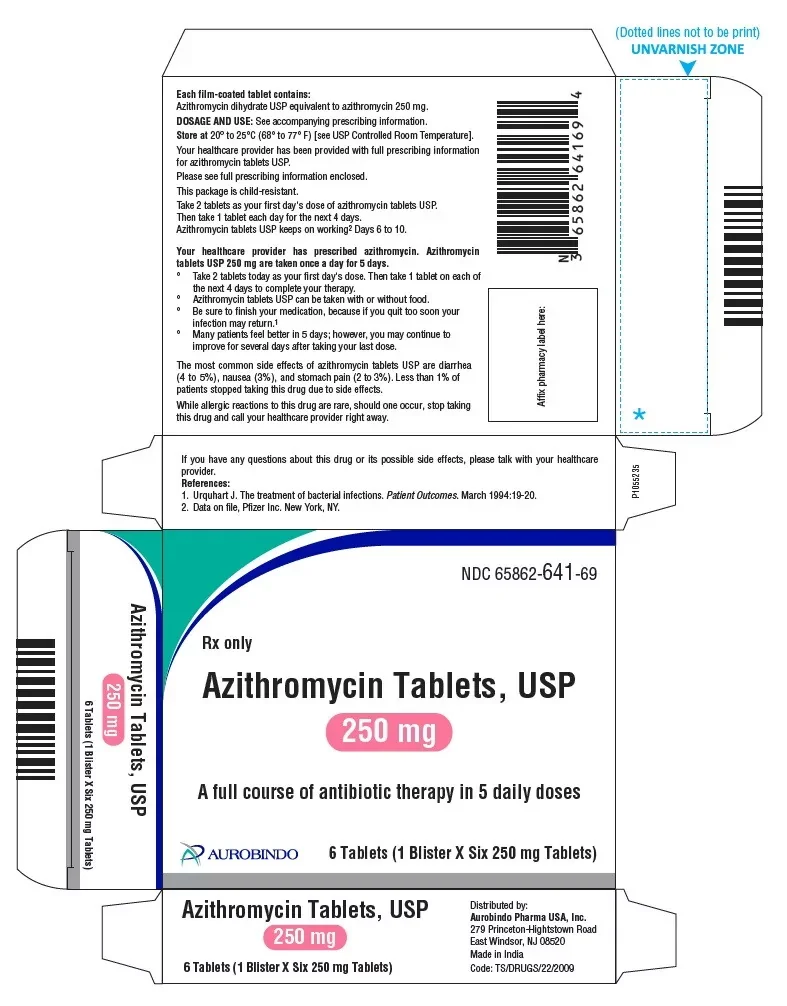
Azithromycin tablets should be stored at 20° to 25°C (68° to 77°F).
When should this medication be used?
Your provider may recommend using the antibiotic if you experience symptoms consistent with certain bacterial infections, such as:
persistent sinus pressure or facial pain
fever with respiratory symptoms
worsening cough with yellow or green mucus
symptoms of a suspected bacterial sinus, throat, or respiratory infection
bacterial infections diagnosed or suspected by your provider
Do not use antibiotics for viral illnesses such as the common cold. Azithromycin should only be used for infections that are proven or strongly suspected to be caused by susceptible bacteria. If symptoms are mild or unclear, contact a healthcare provider before taking the medication when possible.
-
Follow the directions on your prescription label and the instructions provided by your healthcare provider.
General instructions for use include:
take the medication exactly as directed by your healthcare provider
complete the full course of treatment unless your provider instructs otherwise
take doses at evenly spaced times to maintain consistent medication levels in the body
this medication may be taken with or without food
do not skip doses during the treatment course
-
If you miss a dose, follow your provider’s instructions or contact your pharmacy. If you are unsure how to adjust your schedule after a missed dose, contact your pharmacy or provider.
-
Important precautions while taking this medication:
do not stop taking the medication early unless instructed by your provider
do not share this medication with others
avoid taking aluminum- or magnesium-containing antacids at the same time as this medication unless your provider or pharmacist instructs otherwise
stopping antibiotics early or skipping doses may make the infection harder to treat and may contribute to antibiotic resistance
-
Tell your provider if you take:
antacids containing aluminum or magnesium
blood thinners such as warfarin
medications that affect heart rhythm
other prescription medications, supplements, or herbal products
Important Safety Information
-
Azithromycin may cause:
severe allergic reactions, including rash, hives, swelling, trouble breathing, or trouble swallowing
liver problems, which can sometimes be severe or life-threatening
heart rhythm problems, including QT prolongation, irregular heartbeat, or fainting in certain individuals
severe diarrhea, including watery or bloody stools, which can occur during treatment or even after treatment ends
worsening of myasthenia gravis symptoms in people with a history of muscle weakness disorders
-
Do not take this medication if you:
are allergic to azithromycin or other macrolide antibiotics such as erythromycin or clarithromycin
previously developed liver problems or jaundice while taking azithromycin
-
Tell your healthcare provider if you:
have medication allergies
take other medications
have liver or kidney disease
have heart rhythm disorders such as long QT syndrome
have low potassium or low magnesium levels
have myasthenia gravis or other neuromuscular conditions
are pregnant or breastfeeding
Also tell your provider if you take:
blood thinners such as warfarin
medications that affect heart rhythm
certain antiarrhythmic medications
digoxin
colchicine
antacids containing aluminum or magnesium
diabetes medications
NSAIDs such as ibuprofen or naproxen
-
Common side effects may include:
diarrhea
nausea
abdominal or stomach pain
vomiting
headache
-
Stop taking the medication and seek medical care immediately if you experience:
chest pain, fainting, fast heartbeat, or irregular heartbeat
severe diarrhea or bloody stools
yellowing of the skin or eyes
dark urine
swelling of the face, lips, tongue, or throat
trouble breathing or swallowing
severe rash or skin reaction
-
Symptoms of azithromycin overdose may include:
severe nausea or vomiting
diarrhea
stomach pain
temporary hearing loss
If an overdose is suspected, contact poison control or seek immediate medical care.
-
Unused or expired azithromycin should be disposed of safely.
Do not flush this medication down the toilet unless instructed by a pharmacist or local waste authority.
The safest way to dispose of unused medications is through a community drug take-back program or pharmacy medication disposal program.
If a take-back program is not available, mix the medication with an undesirable substance such as used coffee grounds or cat litter, place the mixture in a sealed container, and dispose of it in the household trash.
Remove or scratch out any personal information on prescription labels before discarding medication packaging.
Never share unused antibiotics with another person.
-
Some Travel Medical Kits may include prescription antibiotics that have been prescribed by a licensed healthcare provider for emergency use during travel when timely access to medical care may be limited.
These medications are intended to help patients manage certain suspected bacterial infections that may occur during travel when medical evaluation is not immediately available. Antibiotics included in travel kits should only be used according to the instructions provided by your healthcare provider and the guidance outlined in your medication safety guide.
Antibiotics are not effective against viral illnesses, including the common cold, influenza, or most sore throats. Using antibiotics when they are not medically necessary can contribute to antibiotic resistance and may expose patients to unnecessary medication risks.
Patients should only begin an antibiotic when symptoms clearly match the guidance provided in the medication instructions or when directed by a licensed healthcare provider.
If symptoms are severe, worsening, or do not improve within the expected time frame, patients should seek medical care as soon as possible.
Travel kit antibiotics are intended for short-term use during travel and should not be used for routine illnesses or without appropriate medical guidance.
Patients should never share prescription medications with others and should never take antibiotics that were prescribed for another individual.
-
This prescription may have been issued through a telemedicine consultation with a licensed healthcare provider. If you experience severe symptoms, worsening illness, or any concerning reactions while using this medication, contact your prescribing clinician immediately or seek emergency medical care.
-
This medication guide summarizes important safety information derived from pharmacy labeling, medication manufacturers, and prescribing references. It is intended to help patients understand the safe use of medications included in the Superior Health & Wellness Travel Medical Kit.
This guide does not contain the complete prescribing information for [Medication Name]. Always follow the directions provided by your healthcare provider and the instructions on the pharmacy label that accompanies your prescription.
Medications included in travel medical kits are prescribed only after a clinical evaluation by a licensed healthcare provider. Prescriptions are issued based on your medical history, current medications, allergies, and overall health needs. Not all patients will qualify for every medication or kit configuration, and the contents of each kit may vary based on provider discretion and patient suitability.
Some medications included in travel medical kits are commercially manufactured medications dispensed through licensed pharmacies. In certain cases, a medication may be provided as a compounded formulation prepared by a licensed compounding pharmacy when a provider determines that a compounded version is medically appropriate for a patient. Compounded medications are not reviewed or approved by the U.S. Food and Drug Administration (FDA) for safety or effectiveness but are prepared by licensed pharmacies in accordance with applicable pharmacy regulations.
Travel Medical Kits are intended to provide limited medication support during travel when timely access to medical care may be difficult. These kits are not a substitute for routine medical care, primary care services, or emergency medical treatment. Purchasing a Travel Medical Kit does not establish a primary care relationship with Superior Health & Wellness and does not include ongoing medical supervision beyond the initial provider evaluation used to determine eligibility for the kit.
Patients experiencing severe illness, worsening symptoms, medication reactions, or medical emergencies should seek immediate medical care or contact a licensed healthcare professional.
Medical services and prescriptions offered through Superior Health & Wellness are provided by licensed healthcare professionals in accordance with applicable state and federal laws. Prescription medications are dispensed by licensed pharmacies following a valid provider prescription.
Patients are encouraged to report negative side effects of prescription medications to the U.S. Food and Drug Administration (FDA). Visit MedWatch or call 1-800-FDA-1088.