
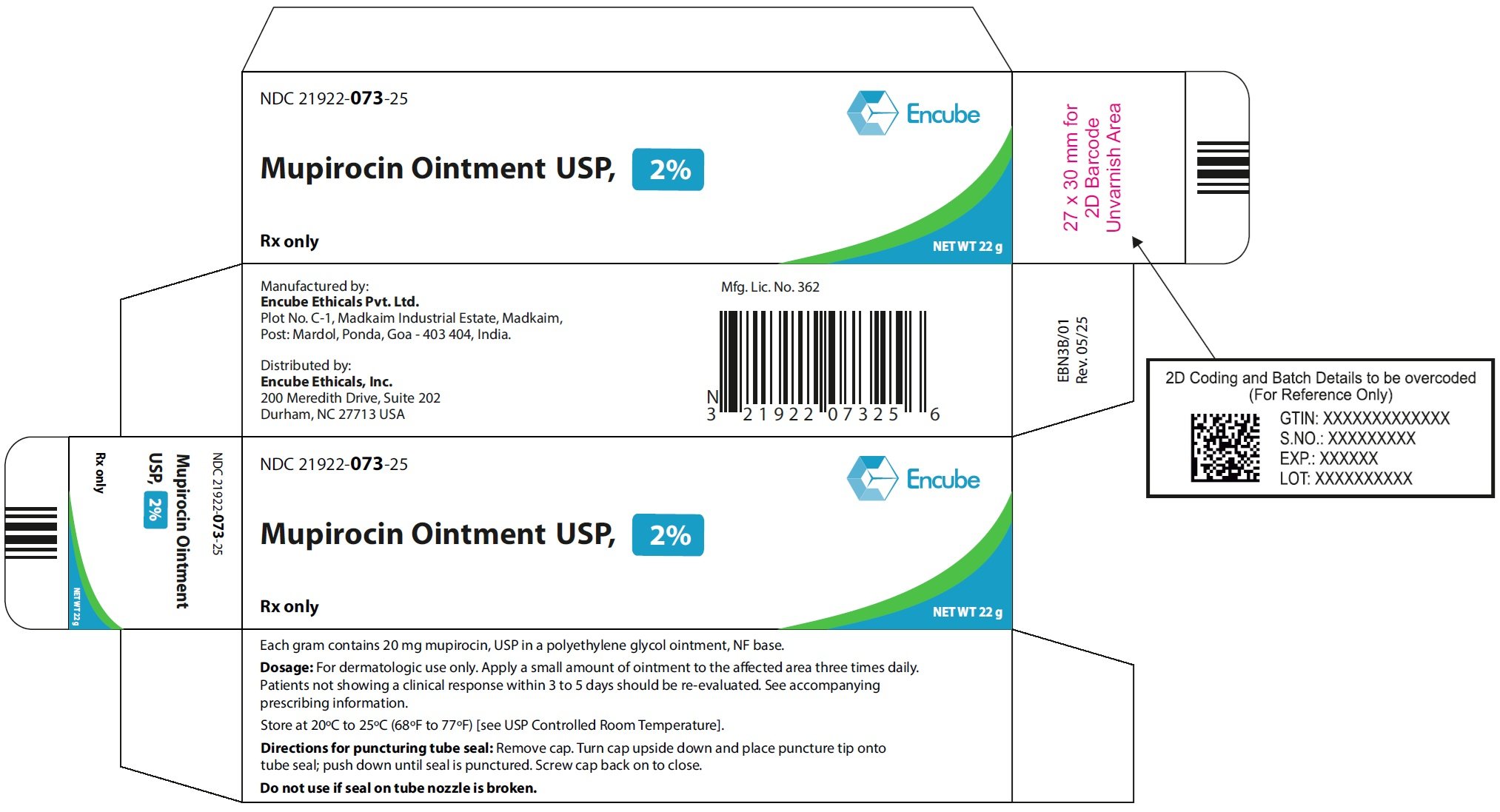
Bactroban 2% Ointment
Mupirocin | Topical Antibiotic for Skin Infections, Cuts, and Minor Wounds
What is this medication?
Bactroban (mupirocin 2% ointment) is a topical antibiotic medication used on the skin to treat certain bacterial skin infections. It works by stopping bacteria from producing proteins they need to grow and survive, which helps eliminate the infection and allows the skin to heal.
This medication is commonly prescribed for infections caused by bacteria such as:
Staphylococcus aureus
Streptococcus pyogenes
These bacteria can cause conditions such as impetigo, infected cuts, infected scrapes, or minor skin infections.
Mupirocin works by blocking bacterial protein production, specifically by inhibiting an enzyme bacteria need to build essential proteins. Without these proteins, bacteria cannot grow or multiply, allowing the body’s immune system to eliminate the infection. When applied to the skin, mupirocin reaches concentrations that are bactericidal, meaning it can kill susceptible bacteria directly at the infection site. Because it acts locally on the skin, systemic absorption into the bloodstream is minimal when used correctly
Bactroban is intended for external use on the skin only and should be used exactly as directed by your healthcare provider.
-
Keep medication in its original labeled packaging
Carry medication in your carry-on bag when flying
Only start the medication based on your provider’s instructions
Do not share this medication with anyone else
Store at room temperature between 68°F and 77°F (20°C to 25°C)
Keep away from excessive heat or moisture
Keep out of reach of children
When should this medication be used?
Your provider may recommend using Bactroban if you develop symptoms of a localized bacterial skin infection, including:
Small open wounds or cuts that become red or painful
Honey-colored crusting or sores typical of impetigo
Infected insect bites or minor wounds
Localized redness, swelling, or drainage from a skin injury
Small areas of infected skin caused by bacteria
This medication is used for bacterial infections only and will not treat viral or fungal infections.
-
Follow the instructions on your prescription label and the directions from your healthcare provider.
General guidance includes:
Wash your hands before and after applying the medication
Clean and dry the affected skin area before application
Apply a small amount of ointment to the infected area
Use a clean cotton swab or gauze pad to apply the medication
Apply three times daily for up to 10 days, or as directed by your provider
The treated area may be covered with sterile gauze if needed
Important usage instructions:
Use the medication for the full prescribed duration, even if symptoms improve
Do not stop early unless instructed by your provider
Avoid using other creams, lotions, or ointments on the same area unless your provider approves
Contact your provider if symptoms do not improve within 3–5 days of treatment
-
If you miss a dose, apply it as soon as you remember. If it is close to your next scheduled application, skip the missed dose and resume your normal schedule. Do not apply extra medication to make up for a missed dose.
If you are unsure how to adjust your schedule after a missed dose, contact your pharmacy or provider.
-
Use this medication only on the skin. It should not be used in the eyes, nose, mouth, or other mucosal areas
Avoid using on large areas of broken or severely damaged skin unless directed by your provider
Do not apply near intravenous (IV) sites or medical lines
Prolonged or improper use of antibiotics can allow other organisms, including fungi, to grow. This can lead to a new infection or delayed healing.
Although rare, antibiotic-associated diarrhea can occur. This may happen during treatment or even after stopping the medication. Contact your provider if you develop persistent or severe diarrhea.
Stop using the medication if you develop significant irritation, itching, or a rash at the application site.
-
Mupirocin is applied topically and has minimal absorption, so systemic drug interactions are unlikely.
However, avoid:
Using other topical medications, creams, or ointments on the same area unless directed
Mixing with other skin products that may dilute or interfere with effectiveness
Important Safety Information
-
Bactroban can cause:
Severe allergic reactions, which may include hives, swelling of the face, lips, tongue, or throat, and difficulty breathing. These reactions can occur suddenly and require immediate medical attention.
Severe skin irritation or allergic skin reactions at the application site. This may appear as worsening redness, itching, rash, or burning beyond mild expected irritation.
Antibiotic-associated diarrhea, including a serious condition caused by Clostridium difficile. This can occur during treatment or even weeks after stopping the medication and may become severe if not treated.
Severe allergic reactions can occur suddenly and may be life-threatening. Seek emergency care if symptoms such as swelling, hives, or trouble breathing occur.
A serious type of diarrhea related to antibiotic use may occur during or after treatment. This can range from mild to severe and requires medical evaluation.
Risks while taking Bactroban
Using this medication for longer than prescribed may allow bacteria or fungi to overgrow, leading to a new or worsening infection
Applying to damaged or broken skin, especially in patients with kidney problems, may increase absorption of inactive ingredients that can affect kidney function
Using on sensitive areas (eyes, nose, or mucosal surfaces) can cause irritation and is not appropriate for this formulation
Using near IV sites or medical lines may increase the risk of infection or complications
-
Do not take this medication if you:
are allergic to mupirocin or any of the ingredients in the ointment
have had a previous severe allergic or skin reaction to this medication
-
Tell your healthcare provider if you:
have medication allergies
take other medications
have liver or kidney disease
are pregnant or breastfeeding
Also tell your provider if you take:
Blood thinners
Diabetes medications
NSAIDs such as ibuprofen or naproxen
Also tell your provider if you:
have kidney problems, especially if the medication will be used on large or damaged areas of skin
have open wounds or significant skin damage where absorption may be increased
are breastfeeding and plan to apply the medication on or near the breast
-
Common side effects may include:
burning or stinging at the application site
itching
mild pain, redness, or irritation
Serious (seek medical care immediately):
signs of a severe allergic reaction (swelling, hives, trouble breathing)
severe or persistent diarrhea
worsening skin reaction such as severe redness, rash, or swelling
-
Stop taking the medication and seek immediate medical attention if you experience:
you develop swelling of the face, lips, tongue, or throat
you have difficulty breathing or chest tightness
you develop a severe rash, hives, or widespread skin reaction
you experience severe irritation or worsening of the treated area
you develop persistent or severe diarrhea
-
Symptoms of Bactroban overdose may include:
excessive irritation, redness, or burning at the application site
increased risk of absorption if used over large or damaged areas of skin
-
Do not flush this medication down the toilet
Dispose of unused medication through a medication take-back program if available
If no program is available, place in a sealed container with an undesirable substance and discard in household trash
Keep out of reach of children and pets
Disclaimers
-
This prescription may have been issued through a telemedicine consultation with a licensed healthcare provider. If you experience severe symptoms, worsening illness, or any concerning reactions while using this medication, contact your prescribing clinician immediately or seek emergency medical care.
-
This medication guide summarizes important safety information derived from pharmacy labeling, medication manufacturers, and prescribing references. It is intended to help patients understand the safe use of medications included in the Superior Health & Wellness Travel Medical Kit.
This guide does not contain the complete prescribing information for Bactroban 2% Ointment. Always follow the directions provided by your healthcare provider and the instructions on the pharmacy label that accompanies your prescription.
Medications included in travel medical kits are prescribed only after a clinical evaluation by a licensed healthcare provider. Prescriptions are issued based on your medical history, current medications, allergies, and overall health needs. Not all patients will qualify for every medication or kit configuration, and the contents of each kit may vary based on provider discretion and patient suitability.
Some medications included in travel medical kits are commercially manufactured medications dispensed through licensed pharmacies. In certain cases, a medication may be provided as a compounded formulation prepared by a licensed compounding pharmacy when a provider determines that a compounded version is medically appropriate for a patient. Compounded medications are not reviewed or approved by the U.S. Food and Drug Administration (FDA) for safety or effectiveness but are prepared by licensed pharmacies in accordance with applicable pharmacy regulations.
Travel Medical Kits are intended to provide limited medication support during travel when timely access to medical care may be difficult. These kits are not a substitute for routine medical care, primary care services, or emergency medical treatment. Purchasing a Travel Medical Kit does not establish a primary care relationship with Superior Health & Wellness and does not include ongoing medical supervision beyond the initial provider evaluation used to determine eligibility for the kit.
Patients experiencing severe illness, worsening symptoms, medication reactions, or medical emergencies should seek immediate medical care or contact a licensed healthcare professional.
Medical services and prescriptions offered through Superior Health & Wellness are provided by licensed healthcare professionals in accordance with applicable state and federal laws. Prescription medications are dispensed by licensed pharmacies following a valid provider prescription.
Patients are encouraged to report negative side effects of prescription medications to the U.S. Food and Drug Administration (FDA). Visit MedWatch or call 1-800-FDA-1088.