
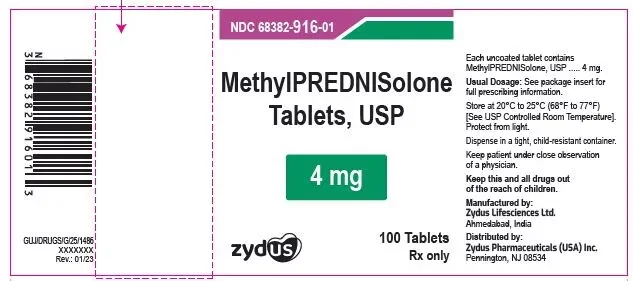
Medrol Dosepak
Methylprednisolone | Steroid Pack for Inflammation, Allergic Reactions, and Breathing Issues
What is this medication?
Medrol Dosepak contains methylprednisolone, a corticosteroid medication that helps reduce inflammation and calm the body’s immune response.
Corticosteroids are synthetic forms of hormones normally produced by the adrenal glands. These medications affect many systems in the body and can reduce swelling, redness, allergic reactions, and immune system activity.
Providers may prescribe methylprednisolone to treat short-term inflammatory conditions affecting different parts of the body. It is commonly used when inflammation is causing symptoms that require rapid control.
This medication may be prescribed for conditions such as:
Severe allergic reactions
Asthma flare-ups or breathing inflammation
Sinus or respiratory inflammation
Skin rashes or allergic skin reactions
Joint inflammation
Acute inflammatory conditions during illness or infection
Immune-related reactions
Methylprednisolone works by suppressing inflammatory signals in the immune system, which helps reduce swelling, pain, and irritation in tissues throughout the body.
This medication should only be used when prescribed by a licensed healthcare provider.
-
Store methylprednisolone tablets at controlled room temperature between 68°F and 77°F (20°C to 25°C)
Keep the medication in its original labeled packaging
Keep away from excessive heat or moisture
Keep out of reach of children
Carry medication in your carry-on bag when flying
Avoid exposing tablets to extreme temperatures
Follow your provider’s instructions when deciding when to start the medication
When should this medication be used?
Your provider may recommend using Medrol Dosepak if you experience symptoms caused by significant inflammation or immune reactions, including:
Severe allergy symptoms
Breathing inflammation associated with asthma or respiratory illness
Severe sinus inflammation
Skin reactions such as severe rashes or allergic dermatitis
Swelling or inflammation after illness or injury
Severe inflammatory flare-ups of autoimmune or immune conditions
This medication is generally used for short courses to quickly reduce inflammation and help the body stabilize.
Do not start this medication unless your provider has instructed you to do so.
-
Follow the directions on your prescription label exactly.
Medrol Dosepak is typically packaged as a tapering dose pack, meaning the dose gradually decreases over several days. This tapering schedule helps prevent sudden withdrawal of steroids and allows the body to adjust safely.
General instructions for use include:
Take the medication exactly as directed by your provider
Follow the daily schedule printed on the Dosepak packaging
Take each day’s tablets at the times instructed on the pack
Swallow the tablets with a full glass of water
Take doses with food or milk to reduce stomach irritation
Do not take more tablets than directed
Do not stop the medication suddenly unless instructed by your provider
Because this medication affects the immune system and hormone balance, the dosing schedule must be followed carefully.
-
Take the missed dose as soon as you remember
If it is close to the next scheduled dose, skip the missed dose
Do not take two doses at the same time
If you are unsure how to adjust your schedule after a missed dose, contact your pharmacy or provider.
-
While taking methylprednisolone:
Avoid abruptly stopping the medication
Take doses with food to reduce stomach upset
Follow the taper schedule exactly as printed
Monitor for signs of infection or unusual symptoms
Inform any healthcare provider that you are taking a corticosteroid
Risks while taking corticosteroids
Corticosteroids affect many systems in the body and may cause:
Suppression of the immune system
Increased susceptibility to infection
Changes in blood sugar control
Hormonal changes with long-term use
Mood or psychological changes
Fluid retention
Even during short courses, patients should remain aware of possible side effects.
-
Methylprednisolone may interact with other medications and affect how they work or increase the risk of side effects.
Tell your healthcare provider about all medications you are taking, including prescription, over-the-counter, supplements, and herbal products.
Examples of potential interactions include:
NSAIDs (such as ibuprofen or naproxen): May increase the risk of stomach irritation, ulcers, or gastrointestinal bleeding
Blood thinners (such as warfarin): May increase or decrease blood thinning effects, requiring monitoring
Diabetes medications (including insulin and oral agents): Methylprednisolone may raise blood sugar levels and reduce the effectiveness of these medications
Diuretics (“water pills”): May increase the risk of low potassium levels
Vaccines (especially live vaccines): May reduce vaccine effectiveness or increase the risk of infection
Other immune-suppressing medications: May increase the risk of infections
Certain antifungal medications (such as ketoconazole): May increase steroid levels in the body
Enzyme-inducing medications (such as rifampin, phenytoin, or carbamazepine): May reduce the effectiveness of methylprednisolone
Hormonal therapies (such as estrogen-containing medications): May increase corticosteroid effects
If you are unsure whether your medications may interact, contact your provider or pharmacist before starting this medication.
Important Safety Information
-
Methylprednisolone is a powerful corticosteroid and may cause serious side effects in some individuals.
Because corticosteroids suppress immune function, they may increase susceptibility to infections and alter the body’s response to stress and illness.
Most serious warnings may include:
Severe allergic reactions including rash, swelling, or difficulty breathing
Increased risk of infections due to immune suppression
High blood sugar levels, especially in patients with diabetes
Stomach ulcers or gastrointestinal bleeding
Mood or psychiatric changes such as agitation, anxiety, or mood swings
Fluid retention or swelling
Increased blood pressure
Eye problems such as glaucoma or cataracts with repeated use
Hormone suppression if used long term
Risks while taking corticosteroids
Corticosteroids affect many systems in the body and may cause:
Suppression of the immune system
Increased susceptibility to infection
Changes in blood sugar control
Hormonal changes with long-term use
Mood or psychological changes
Fluid retention
Even during short courses, patients should remain aware of possible side effects.
-
Do not take methylprednisolone if you:
have a known allergy to methylprednisolone, other corticosteroids, or any component of the medication
have a systemic fungal infection, as corticosteroids can worsen these infections
are receiving or planning to receive live vaccines while taking immunosuppressive doses of corticosteroids
If you are unsure whether this medication is appropriate for you, speak with your healthcare provider before starting treatment.
-
Tell your provider if you:
Have allergies to corticosteroids
Have diabetes or blood sugar problems
Have high blood pressure
Have stomach ulcers or gastrointestinal disease
Have glaucoma or cataracts
Have liver disease
Have kidney disease
Have thyroid disorders
Have a history of psychiatric conditions
Have a weakened immune system
Are pregnant or breastfeeding
Also tell your provider if you take:
Blood thinners
Diabetes medications
NSAIDs such as ibuprofen or naproxen
Vaccines
Other immune-suppressing medications
Any prescription, over-the-counter medications, supplements, or herbal products
Many medications may interact with corticosteroids.
-
Common side effects may include:
Upset stomach or nausea
Increased appetite
Trouble sleeping
Headache
Mild mood changes
Increased sweating
Fluid retention or swelling
Temporary increase in blood sugar
These side effects are often temporary during short treatment courses but should be reported to your provider if they become severe.
-
Stop taking the medication and seek immediate medical attention if you experience:
Swelling of the face, lips, tongue, or throat
Difficulty breathing or severe allergic reaction
Severe abdominal pain or black stools
Sudden vision problems
Severe mood changes or confusion
Signs of infection such as fever, chills, or persistent sore throat
-
Symptoms of methylprednisolone overdose may include:
nausea or vomiting
increased blood sugar levels
fluid retention or swelling
elevated blood pressure
mood changes or confusion
muscle weakness
Acute overdose is not commonly associated with life-threatening effects, but prolonged or excessive use may increase the risk of serious corticosteroid-related complications.
If an overdose is suspected, contact your healthcare provider or seek medical attention. You may also contact Poison Control at 1-800-222-1222.
-
Dispose of unused or expired methylprednisolone properly to prevent accidental use or harm.
Do not flush this medication down the toilet unless instructed to do so
Do not pour into drains
Use a medication take-back program if available in your area
If no take-back program is available, mix the medication with an undesirable substance (such as dirt, coffee grounds, or cat litter), place it in a sealed container, and dispose of it in the household trash
Keep all medications out of reach of children and pets.
Disclaimers
-
This prescription may have been issued through a telemedicine consultation with a licensed healthcare provider. If you experience severe symptoms, worsening illness, or any concerning reactions while using this medication, contact your prescribing clinician immediately or seek emergency medical care.
-
This medication guide summarizes important safety information derived from pharmacy labeling, medication manufacturers, and prescribing references. It is intended to help patients understand the safe use of medications included in the Superior Health & Wellness Travel Medical Kit.
This guide does not contain the complete prescribing information for Medrol Dosepak. Always follow the directions provided by your healthcare provider and the instructions on the pharmacy label that accompanies your prescription.
Medications included in travel medical kits are prescribed only after a clinical evaluation by a licensed healthcare provider. Prescriptions are issued based on your medical history, current medications, allergies, and overall health needs. Not all patients will qualify for every medication or kit configuration, and the contents of each kit may vary based on provider discretion and patient suitability.
Some medications included in travel medical kits are commercially manufactured medications dispensed through licensed pharmacies. In certain cases, a medication may be provided as a compounded formulation prepared by a licensed compounding pharmacy when a provider determines that a compounded version is medically appropriate for a patient. Compounded medications are not reviewed or approved by the U.S. Food and Drug Administration (FDA) for safety or effectiveness but are prepared by licensed pharmacies in accordance with applicable pharmacy regulations.
Travel Medical Kits are intended to provide limited medication support during travel when timely access to medical care may be difficult. These kits are not a substitute for routine medical care, primary care services, or emergency medical treatment. Purchasing a Travel Medical Kit does not establish a primary care relationship with Superior Health & Wellness and does not include ongoing medical supervision beyond the initial provider evaluation used to determine eligibility for the kit.
Patients experiencing severe illness, worsening symptoms, medication reactions, or medical emergencies should seek immediate medical care or contact a licensed healthcare professional.
Medical services and prescriptions offered through Superior Health & Wellness are provided by licensed healthcare professionals in accordance with applicable state and federal laws. Prescription medications are dispensed by licensed pharmacies following a valid provider prescription.
Patients are encouraged to report negative side effects of prescription medications to the U.S. Food and Drug Administration (FDA). Visit MedWatch or call 1-800-FDA-1088.