
Loperamide
Loperamide | Medication to Stop Diarrhea
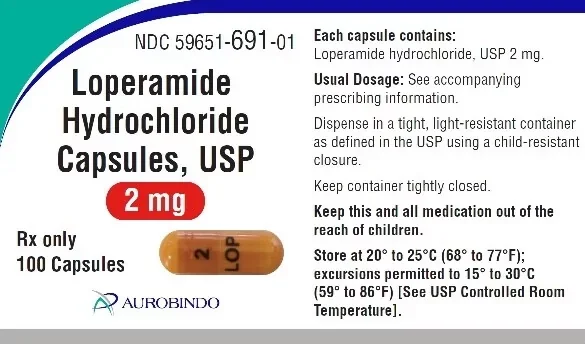
What is this medication?
Loperamide is an antidiarrheal medication used to help slow or stop diarrhea.
It works by slowing the movement of the intestines, allowing the body more time to absorb water and electrolytes. This helps make stools firmer and reduces the number of bowel movements.
Loperamide also increases the tone of the anal sphincter, which may help reduce urgency and accidental leakage during episodes of diarrhea.
Providers may prescribe loperamide to help manage:
Acute diarrhea (sudden onset diarrhea)
Traveler’s diarrhea
Chronic diarrhea in certain conditions
Excess fluid loss from ileostomies
This medication treats symptoms of diarrhea, but it does not treat the underlying infection or cause of the illness.
-
When traveling:
Carry this medication in your carry-on bag
Keep it in original labeled packaging
Store at room temperature
Stay hydrated during episodes of diarrhea
Avoid risky food or water sources when possible
If diarrhea is accompanied by fever, blood in stool, or severe abdominal pain, seek medical care rather than self-treating.
When should this medication be used?
Your provider may recommend using this medication if you experience symptoms such as:
Frequent loose or watery stools
Sudden diarrhea during travel
Mild to moderate traveler’s diarrhea
Urgent bowel movements interfering with travel plans
Increased stool frequency related to digestive upset
Loperamide may be particularly helpful when:
You must travel long distances
You are unable to access restrooms easily
You need temporary symptom control while traveling
However, loperamide should not be used in certain situations, such as:
Diarrhea with high fever
Bloody stools
Severe abdominal pain without diarrhea
Suspected bacterial infections such as Salmonella, Shigella, or Campylobacter
Clostridioides difficile infection
Severe inflammatory bowel disease flare
In these cases, slowing the intestines may worsen the condition.
-
Follow the directions on your prescription label and your provider’s instructions.
General guidance for adults:
Take the medication by mouth with water
An initial dose is typically 4 mg (two 2 mg capsules)
After that, take 2 mg after each loose stool
Do not exceed 16 mg (eight capsules) in a 24-hour period
Important instructions:
Use the lowest effective dose
Do not exceed the recommended daily dose
Stop using the medication once diarrhea resolves
Do not use longer than 48 hours for acute diarrhea unless instructed by a provider
If symptoms do not improve within 48 hours, contact a healthcare provider.
This medication should always be used along with fluid and electrolyte replacement, especially during travel when dehydration may occur.
-
Loperamide is typically taken as needed after loose stools, rather than on a strict schedule.
If you are taking loperamide as needed, take the next dose after your next loose stool as directed
If you are taking it on a scheduled basis for chronic diarrhea, take the missed dose as soon as you remember
If it is close to your next scheduled dose, skip the missed dose and continue your regular dosing schedule
Do not take two doses at the same time or take extra doses to make up for a missed dose
If you are unsure how to adjust your dosing schedule, contact your healthcare provider or pharmacist for guidance
-
While taking loperamide:
Take the medication exactly as directed. Do not exceed the recommended dose, as higher doses can cause serious and potentially life-threatening heart rhythm problems
Use this medication for short-term symptom control only. If diarrhea does not improve within 48 hours, stop taking the medication and contact your healthcare provider
Monitor for signs of worsening illness, including fever, blood in stools, or increasing abdominal pain. These may indicate a more serious infection that requires medical treatment
Stay well hydrated. Diarrhea can lead to fluid and electrolyte loss, so it is important to drink fluids regularly and consider oral rehydration solutions
Do not use this medication if you develop constipation, abdominal swelling, or signs of bowel blockage. Stop the medication and seek medical care if these occur
Use caution when driving or operating machinery, as dizziness, drowsiness, or fatigue may occur
Avoid taking this medication with drugs that affect heart rhythm or increase loperamide levels unless approved by your provider
Patients with liver conditions should use this medication with caution, as higher drug levels may increase the risk of side effects
This medication treats symptoms only and does not address the underlying cause of diarrhea. Additional treatment may be needed depending on the cause
Risks while taking loperamide
Loperamide can affect multiple systems in the body, especially if misused or taken at higher doses:
Serious cardiac effects, including QT prolongation, arrhythmias, and cardiac arrest
Central nervous system effects such as drowsiness or dizziness
Gastrointestinal complications, including constipation, ileus (slowed or stopped bowel movement), or toxic megacolon
Masking of serious infections, which may delay proper diagnosis and treatment
-
Loperamide can interact with other medications and may increase the risk of side effects, including serious heart rhythm problems.
Before taking this medication, tell your healthcare provider about all medications and supplements you are using.
Examples of medications that may interact with loperamide include:
Medications that affect liver enzymes (such as certain antifungals or cholesterol medications): May increase the amount of loperamide in your body and raise the risk of side effects
Medications that affect drug transport in the body (such as quinidine or ritonavir): May increase loperamide levels and increase the risk of serious side effects, including heart problems
Medications that affect heart rhythm, including:
Heart medications (such as amiodarone or sotalol)
Certain antibiotics
Antipsychotic medications
Methadone
Taking these with loperamide may increase the risk of dangerous heart rhythm changes
Certain HIV medications: Loperamide may reduce how well some of these medications work
Tell your provider if you take medications such as:
Quinidine
Ritonavir
Itraconazole
Gemfibrozil
Certain antibiotics
Antipsychotics
Antiarrhythmic medications
Taking higher doses of loperamide or combining it with interacting medications can increase the risk of serious complications.
If you are unsure whether your medications may interact, contact your healthcare provider or pharmacist before using this medication.
Important Safety Information
-
Serious heart rhythm problems and death have occurred when loperamide was taken in higher-than-recommended doses.
These may include:
QT interval prolongation
Ventricular arrhythmias
Torsades de Pointes
Cardiac arrest
Sudden death
These events have been reported in people who:
Took extremely high doses
Misused the medication
Combined it with interacting medications
Always follow dosing instructions carefully.
-
Do not use loperamide if:
You are allergic to loperamide
You have bloody diarrhea
You have acute ulcerative colitis
You have bacterial enterocolitis
You have C. difficile diarrhea
You have abdominal pain without diarrhea
Loperamide is not approved for children under 2 years old due to the risk of severe breathing and heart complications.
-
Before taking this medication
Tell your healthcare provider if you:
Have liver disease
Have heart rhythm disorders
Have long QT syndrome
Have HIV/AIDS
Have inflammatory bowel disease
Have recently taken antibiotics
Are pregnant or breastfeeding
Are taking other prescription medications
People with liver problems may have higher drug levels, which may increase the risk of side effects.
-
Common side effects may include:
Constipation
Dizziness
Drowsiness
Stomach cramps
Dry mouth
Nausea
Fatigue
Gas or bloating
Many of these symptoms may also occur due to the underlying diarrheal illness.
Serious side effects
Rare but serious side effects may include:
Severe allergic reactions
Skin reactions such as rash or swelling
Stevens-Johnson syndrome
Toxic megacolon
Paralytic ileus
Heart rhythm disturbances
Severe constipation with intestinal blockage
Seek immediate medical attention if these occur.
-
Stop taking the medication and seek medical care immediately if you experience:
Fainting or loss of consciousness
Rapid or irregular heartbeat
Severe abdominal swelling
Severe constipation
Severe allergic reaction
Difficulty breathing
Bloody stools
High fever with diarrhea
These symptoms may indicate a serious medical condition requiring immediate treatment.
-
Taking large amounts of loperamide can cause life-threatening heart rhythm problems.
Symptoms of overdose may include:
Fainting
Irregular heartbeat
Severe dizziness
Extreme drowsiness
Breathing problems
Loss of consciousness
If overdose is suspected, contact Poison Control at 1-800-222-1222 or seek emergency care immediately.
-
Dispose of unused or expired loperamide properly to prevent accidental use or harm.
Do not flush this medication down the toilet unless instructed to do so
Do not pour into sinks or drains
Use a medication take-back program if available in your area
If no take-back program is available, mix the medication with an undesirable substance (such as dirt, coffee grounds, or cat litter), place it in a sealed container, and dispose of it in the household trash
Keep all medications out of reach of children and pets
Proper disposal helps prevent accidental ingestion and reduces the risk of misuse, especially since taking higher-than-recommended doses of loperamide can be dangerous
Disclaimers
-
This prescription may have been issued through a telemedicine consultation with a licensed healthcare provider. If you experience severe symptoms, worsening illness, or any concerning reactions while using this medication, contact your prescribing clinician immediately or seek emergency medical care.
-
This medication guide summarizes important safety information derived from pharmacy labeling, medication manufacturers, and prescribing references. It is intended to help patients understand the safe use of medications included in the Superior Health & Wellness Travel Medical Kit.
This guide does not contain the complete prescribing information for Loperamide. Always follow the directions provided by your healthcare provider and the instructions on the pharmacy label that accompanies your prescription.
Medications included in travel medical kits are prescribed only after a clinical evaluation by a licensed healthcare provider. Prescriptions are issued based on your medical history, current medications, allergies, and overall health needs. Not all patients will qualify for every medication or kit configuration, and the contents of each kit may vary based on provider discretion and patient suitability.
Some medications included in travel medical kits are commercially manufactured medications dispensed through licensed pharmacies. In certain cases, a medication may be provided as a compounded formulation prepared by a licensed compounding pharmacy when a provider determines that a compounded version is medically appropriate for a patient. Compounded medications are not reviewed or approved by the U.S. Food and Drug Administration (FDA) for safety or effectiveness but are prepared by licensed pharmacies in accordance with applicable pharmacy regulations.
Travel Medical Kits are intended to provide limited medication support during travel when timely access to medical care may be difficult. These kits are not a substitute for routine medical care, primary care services, or emergency medical treatment. Purchasing a Travel Medical Kit does not establish a primary care relationship with Superior Health & Wellness and does not include ongoing medical supervision beyond the initial provider evaluation used to determine eligibility for the kit.
Patients experiencing severe illness, worsening symptoms, medication reactions, or medical emergencies should seek immediate medical care or contact a licensed healthcare professional.
Medical services and prescriptions offered through Superior Health & Wellness are provided by licensed healthcare professionals in accordance with applicable state and federal laws. Prescription medications are dispensed by licensed pharmacies following a valid provider prescription.
Patients are encouraged to report negative side effects of prescription medications to the U.S. Food and Drug Administration (FDA). Visit MedWatch or call 1-800-FDA-1088.