
Loperamide
Ondansetron | Sublingual Dissolving Tablets for Nausea and Vomiting Relief
What is this medication?
Ondansetron contains ondansetron, an anti-nausea medication that helps prevent and relieve nausea and vomiting. It belongs to a class of medications called serotonin (5-HT3) receptor antagonists, which work by blocking signals in the body that can trigger nausea and the urge to vomit. 
Nausea and vomiting are often caused by the release of serotonin in the gut and brain, especially during illness, irritation of the stomach, or certain medical conditions. Ondansetron works by blocking these serotonin receptors, helping to calm the body’s nausea response and reduce the likelihood of vomiting. 
Providers may prescribe ondansetron to help manage nausea and vomiting that can interfere with hydration, nutrition, or recovery, especially in situations where keeping fluids down is important.
This medication may be prescribed for situations such as:
nausea associated with illness or stomach upset
vomiting that makes it difficult to keep fluids down
nausea that may occur during travel or recovery from illness
prevention of dehydration related to ongoing nausea or vomiting
The orally disintegrating (SL) tablets are designed to dissolve on the tongue without the need for water, making them especially useful when you are unable to swallow tablets or are actively nauseated. 
This medication should only be used when prescribed by a licensed healthcare provider.
-
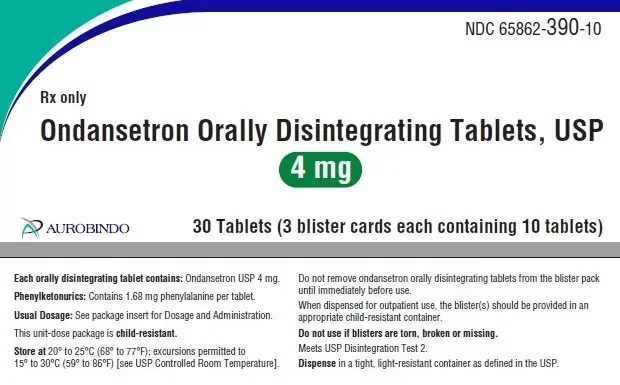
Store at room temperature between 68°F and 77°F (20°C to 25°C)
Short temperature exposures between 59°F and 86°F are permitted
Keep the medication in a tight, light-resistant container
Do not remove tablets from the packaging until right before use to protect them from moisture
Keep out of reach of children
When Traveling:
Keep the medication in its original labeled packaging
Carry it in your carry-on bag when flying, not in checked luggage
Protect the medication from excess heat, humidity, and direct light, especially in cars or luggage
If you experience nausea or vomiting while traveling:
Begin taking the medication as directed by your provider
Focus on hydration by taking small, frequent sips of clear fluids once symptoms begin to improve
Seek medical care if you cannot keep fluids down, or if you develop signs of dehydration, severe abdominal pain, blood in vomit, confusion, or chest symptoms
When should this medication be used?
Your provider may recommend using this medication if you experience nausea or vomiting during travel that may interfere with hydration, eating, rest, or recovery.
Examples may include:
nausea with viral illness or stomach upset
vomiting that makes it hard to keep down fluids
nausea associated with motion, illness, or recovery from another condition
situations where preventing dehydration is especially important
This medication helps manage the symptom of nausea and vomiting, but it does not treat every possible underlying cause. If vomiting is severe, persistent, bloody, associated with severe abdominal pain, confusion, chest pain, dehydration, or high fever, seek medical care right away.
-
Follow the directions on your prescription label exactly.
Ondansetron orally disintegrating tablets are designed to dissolve on the tongue and do not require water, which makes them easier to take when you are feeling nauseated or unable to swallow traditional tablets.
General instructions for use include:
Take the medication exactly as directed by your provider
Use only the amount prescribed for you
Do not take it more often than instructed
With dry hands, carefully remove the tablet from the packaging
Do not push the tablet through the foil backing, as it may break
Peel back the foil and gently remove the tablet
Place the tablet immediately on top of your togue
Allow it to dissolve completely, then swallow with your saliva
Water is not required, but you may drink fluids afterward if needed
If you are actively nauseated or vomiting, take the dose as soon as you are able to keep the tablet in your mouth long enough for it to dissolve
If your provider has instructed repeat dosing, follow that schedule carefully
Because this medication is used to control nausea and prevent dehydration, it is important to take it at the first signs of symptoms or as directed by your provider to help maintain hydration and comfort.
-
Take the missed dose as soon as you remember, if you are still experiencing nausea or vomiting
If it is close to your next scheduled dose, skip the missed dose and continue with your regular dosing schedule
Do not take two doses at the same time or take extra doses to make up for a missed dose
Because this medication is often taken as needed for nausea, you may not need to take a missed dose if your symptoms have improved
If you are unsure how to adjust your dosing after a missed dose, contact your pharmacy or healthcare provider for guidance.
-
While taking ondansetron:
Start with small sips of clear fluids once nausea begins to improve to help prevent dehydration
Avoid alcohol unless your provider has told you it is safe, as it may worsen dizziness or how you feel overall
Be cautious with activities that require alertness if you feel dizzy, weak, or unwell
Take the medication at the first signs of nausea when possible to improve effectiveness
Do not take more than the prescribed dose or take doses more frequently than instructed
If your provider has given you a dosing schedule, follow it carefully
Risks and precautions while taking ondansetron:
This medication may affect heart rhythm (QT prolongation), especially in patients with a history of heart conditions, electrolyte imbalances, or those taking certain medications
Tell your provider right away if you experience palpitations, dizziness, fainting, or an irregular heartbeat
There is a risk of serotonin syndrome when combined with certain medications (such as antidepressants, migraine medications, or tramadol), which may cause agitation, confusion, sweating, muscle stiffness, or rapid heart rate
Ondansetron may mask symptoms of a more serious abdominal condition, such as bowel obstruction or severe gastrointestinal illness
Use caution if you have liver disease. In patients with severe liver impairment, the total daily dose should not exceed 8 mg unless specifically directed by your provider
This medication may cause constipation. Monitor for decreased bowel movements, especially if you are already at risk
The orally disintegrating tablets contain phenylalanine, which is important if you have phenylketonuria (PKU)
If nausea continues despite treatment, if you cannot keep fluids down, or if you develop symptoms such as severe abdominal pain, swelling, or signs of dehydration, seek medical care promptly.
-
Ondansetron may interact with other medications and affect how it works or increase the risk of serious side effects.
Tell your healthcare provider about all medications you are taking, including prescription medications, over-the-counter products, supplements, and herbal products.
Examples of important interactions include:
Apomorphine: Do not take ondansetron with apomorphine. This combination can cause severe low blood pressure and loss of consciousness
Serotonergic medications (such as SSRIs, SNRIs, certain migraine medications, tramadol, fentanyl, lithium, or MAO inhibitors): May increase the risk of serotonin syndrome, a potentially serious condition
Medications that affect heart rhythm (QT-prolonging drugs): May increase the risk of abnormal heart rhythms when taken with ondansetron
Enzyme-inducing medications (such as phenytoin, carbamazepine, or rifampin): May reduce the effectiveness of ondansetron by lowering its levels in the body
Tramadol: Ondansetron may reduce the pain-relieving effects of tramadol in some patients
If you are unsure whether your medications may interact, contact your healthcare provider or pharmacist before taking this medication.
Important Safety Information
-
Ondansetron may cause serious side effects in some individuals. While many patients tolerate this medication well, certain reactions require immediate medical attention.
Most serious warnings may include:
Severe allergic reactions including anaphylaxis, bronchospasm, rash, hives, swelling of the face or throat, or difficulty breathing
Heart rhythm problems (QT prolongation and torsade de pointes) which may increase the risk of irregular heartbeat, fainting, or sudden cardiac events
Serotonin syndrome, especially when used with other serotonergic medications, which may cause agitation, confusion, rapid heart rate, sweating, muscle stiffness, or tremors
Chest pain or myocardial ischemia, which may present as chest pressure, tightness, or discomfort
Masking of serious gastrointestinal conditions, including ileus or gastric distension, which may delay recognition of worsening abdominal issues
Severe skin reactions such as Stevens-Johnson syndrome or toxic epidermal necrolysis, which may include blistering, peeling skin, or painful rash
Fainting, palpitations, or abnormal heart rhythms, which may indicate cardiac complications
Neurologic reactions, including seizures or movement disorders in rare cases
The orally disintegrating tablets contain phenylalanine. Each 4 mg tablet contains approximately 1.68 mg of phenylalanine, which is important for patients with phenylketonuria (PKU).
-
Do not take this medication if you:
are allergic to ondansetron or any of the ingredients in this medication
have had a previous severe allergic reaction to ondansetron or other similar medications (such as other 5-HT3 receptor antagonists)
are taking apomorphine, as this combination can cause severe low blood pressure and loss of consciousness
Do not take this medication unless it has been prescribed to you by a licensed healthcare provider based on your individual medical history.
-
Tell your provider if you:
have ever had an allergic reaction to ondansetron or similar anti-nausea medicines
take apomorphine, because ondansetron should not be used with it
take antidepressants, migraine medications, tramadol, fentanyl, lithium, or other serotonergic medicines
have congenital long QT syndrome
have a history of arrhythmias, heart failure, slow heart rate, palpitations, or fainting
have low potassium or low magnesium
have liver disease or severe hepatic impairment
have trouble with bowel obstruction, severe constipation, or abdominal swelling
have phenylketonuria, since the orally disintegrating tablet contains phenylalanine
are pregnant, planning pregnancy, or breastfeeding
take prescription medications, over-the-counter products, vitamins, herbals, or supplements regularly
-
Common side effects may include:
headache
constipation
diarrhea
fatigue or malaise
dizziness
Less common or postmarketing side effects reported include:
palpitations
bradycardia or other arrhythmias
flushing
hiccups
liver enzyme abnormalities
rash or hives
shortness of breath
syncope
rare neurologic reactions such as dystonic reactions or oculogyric crisis
-
Stop taking this medication and seek medical care immediately if you experience:
chest pain, chest tightness, fainting, or a racing or irregular heartbeat
swelling of the face, lips, tongue, or throat
trouble breathing, wheezing, or severe rash
severe dizziness or loss of consciousness
agitation, hallucinations, confusion, fever, sweating, muscle stiffness, tremors, or diarrhea that could suggest serotonin syndrome
severe constipation with abdominal swelling, no bowel movement, or worsening abdominal pain
blistering, peeling skin, or widespread rash
signs of a serious allergic reaction or any sudden severe worsening of symptoms
-
Symptoms of ondansetron overdose may include:
sudden vision changes or temporary loss of vision
severe constipation or abdominal discomfort
dizziness, fainting, or lightheadedness
irregular or abnormal heart rhythm
severe headache
flushing or feeling unusually warm
weakness or fatigue
In some cases, overdose may increase the risk of serious heart rhythm disturbances (QT prolongation), which can be life-threatening.
If you suspect an overdose or experience severe symptoms, seek immediate medical attention or contact Poison Control at 1-800-222-1222.
-
Dispose of unused or expired ondansetron properly to prevent accidental use or harm.
Do not flush this medication down the toilet unless instructed to do so
Do not pour into drains
Keep the medication in its original packaging until ready to dispose
Use a medication take-back program if available in your area
If no take-back program is available, remove the tablets from packaging and mix them with an undesirable substance (such as dirt, coffee grounds, or cat litter), place the mixture in a sealed container, and dispose of it in the household trash
Keep all medications out of reach of children and pets.
Disclaimers
-
This prescription may have been issued through a telemedicine consultation with a licensed healthcare provider. If you experience severe symptoms, worsening illness, or any concerning reactions while using this medication, contact your prescribing clinician immediately or seek emergency medical care.
-
This medication guide summarizes important safety information derived from pharmacy labeling, medication manufacturers, and prescribing references. It is intended to help patients understand the safe use of medications included in the Superior Health & Wellness Travel Medical Kit.
This guide does not contain the complete prescribing information for Ondansetron. Always follow the directions provided by your healthcare provider and the instructions on the pharmacy label that accompanies your prescription.
Medications included in travel medical kits are prescribed only after a clinical evaluation by a licensed healthcare provider. Prescriptions are issued based on your medical history, current medications, allergies, and overall health needs. Not all patients will qualify for every medication or kit configuration, and the contents of each kit may vary based on provider discretion and patient suitability.
Some medications included in travel medical kits are commercially manufactured medications dispensed through licensed pharmacies. In certain cases, a medication may be provided as a compounded formulation prepared by a licensed compounding pharmacy when a provider determines that a compounded version is medically appropriate for a patient. Compounded medications are not reviewed or approved by the U.S. Food and Drug Administration (FDA) for safety or effectiveness but are prepared by licensed pharmacies in accordance with applicable pharmacy regulations.
Travel Medical Kits are intended to provide limited medication support during travel when timely access to medical care may be difficult. These kits are not a substitute for routine medical care, primary care services, or emergency medical treatment. Purchasing a Travel Medical Kit does not establish a primary care relationship with Superior Health & Wellness and does not include ongoing medical supervision beyond the initial provider evaluation used to determine eligibility for the kit.
Patients experiencing severe illness, worsening symptoms, medication reactions, or medical emergencies should seek immediate medical care or contact a licensed healthcare professional.
Medical services and prescriptions offered through Superior Health & Wellness are provided by licensed healthcare professionals in accordance with applicable state and federal laws. Prescription medications are dispensed by licensed pharmacies following a valid provider prescription.
Patients are encouraged to report negative side effects of prescription medications to the U.S. Food and Drug Administration (FDA). Visit MedWatch or call 1-800-FDA-1088.