
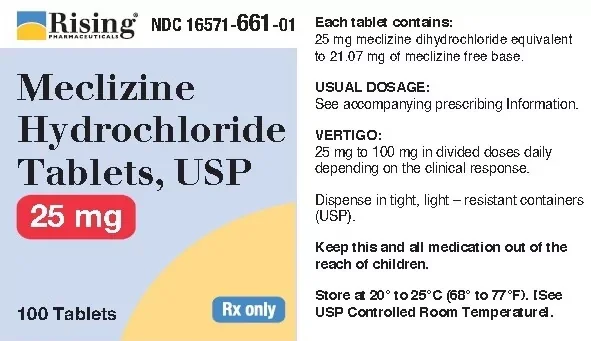
Meclizine
Meclizine Hydrochloride | Motion Sickness and Vertigo Relief
What is this medication?
Meclizine is an antihistamine medication used to help prevent and treat symptoms caused by motion sickness and inner ear balance disorders. It is commonly used for symptoms such as dizziness, nausea, vomiting, and vertigo related to disturbances of the vestibular system, which is the part of the inner ear responsible for balance and spatial orientation.
This medication works by blocking histamine (H1) receptors in the brain and inner ear. By reducing signals from the inner ear that contribute to nausea and dizziness, meclizine can help stabilize balance and reduce motion-related symptoms.
Meclizine is frequently used by travelers to prevent motion sickness during activities such as:
flying
boating or cruises
long car rides
amusement rides
other situations where motion may trigger nausea or dizziness
It may also be used for vertigo caused by certain inner ear disorders that affect balance.
This medication should only be used when prescribed or recommended by a licensed healthcare provider.
-
When traveling with bismuth subsalicylate:
Store the medication at 59°F to 86°F (15°C to 30°C)
Keep it protected from moisture and excessive heat
Keep the bottle tightly closed when not in use
Do not use the medication if the tamper-evident seal is broken or missing
While traveling:
Keep the medication in its original labeled container
Store it in a cool, dry place
Carry medications in your carry-on luggage when flying
If you develop diarrhea, drink plenty of fluids to help prevent dehydration
Only use this medication as directed by your provider and for short-term symptom relief.
When should this medication be used?
Your provider may recommend using meclizine if you experience symptoms related to motion sickness or balance disturbances.
Common situations where this medication may be helpful include:
nausea or vomiting triggered by motion such as flying, boating, or driving
dizziness caused by motion or travel
vertigo or spinning sensations caused by inner ear conditions
nausea associated with vestibular disturbances
balance problems related to inner ear dysfunction
For motion sickness prevention, this medication is often taken before travel begins.
If dizziness or vertigo symptoms are severe, persistent, or associated with neurological symptoms such as severe headache, vision changes, weakness, or confusion, seek medical care immediately.
-
Follow the directions on your prescription label or provider instructions.
General use guidance may include:
Take the medication exactly as directed by your provider
Swallow tablets whole with water
If using chewable tablets, chew or crush completely before swallowing
Do not exceed the recommended dose
This medication may be taken with or without food
Typical dosing guidance may include:
Adults may take a total of 25 mg to 100 mg per day in divided doses depending on clinical response
For motion sickness prevention:
Take the medication approximately 1 hour before travel when possible
While taking this medication:
Avoid alcohol or other sedating substances
Be cautious when performing activities requiring alertness
-
Take the dose when you remember unless it is close to your next scheduled dose
Do not double doses to make up for a missed dose
Always follow the instructions on the pharmacy label provided with your medication.
-
While taking meclizine:
You may feel drowsy or less alert. Avoid driving, operating machinery, or performing tasks that require focus until you know how this medication affects you
Avoid alcohol and other sedating medications, as they can increase drowsiness and slow your reaction time
Use caution if you have conditions such as glaucoma, asthma, or an enlarged prostate, as this medication may worsen these conditions due to its anticholinergic effects
Take this medication only as directed. Do not take more than recommended, even if symptoms persist
If you are taking other medications that cause drowsiness or affect the central nervous system, monitor for increased sedation
Stay aware of how your body responds, especially during travel or activities where balance and alertness are important
If you experience unusual symptoms such as severe dizziness, confusion, vision changes, or difficulty urinating, contact your healthcare provider
Inform any healthcare provider that you are taking meclizine, especially before starting new medications
Risks While Taking Meclizine
Meclizine affects the nervous system and may cause:
drowsiness or sedation
slowed reaction time
dry mouth
blurred vision (rare)
increased sensitivity to other sedating substances
Because this medication can impair alertness, it is important to use caution in situations where coordination, balance, or mental focus are required.
-
Meclizine may interact with certain medications.
Tell your provider if you take:
sedatives or sleep medications
anti-anxiety medications
opioid pain medications
muscle relaxants
alcohol or other central nervous system depressants
Combining meclizine with these substances may increase drowsiness and sedation.
This medication may also interact with drugs that affect the CYP2D6 enzyme system, which may alter how the medication is metabolized.
Important Safety Information
-
Meclizine can cause side effects and should be used carefully according to provider instructions.
Most serious warnings may include:
severe allergic reactions including rash, hives, swelling of the face, lips, tongue, or throat
difficulty breathing or swallowing
extreme drowsiness or sedation
severe dizziness or confusion
abnormal heart rhythm symptoms
worsening of certain medical conditions due to anticholinergic effects
This medication can cause significant drowsiness and may impair mental alertness. Avoid driving, operating machinery, or performing tasks requiring full alertness until you know how the medication affects you.
Alcohol and other central nervous system depressants may increase sedation when taken with this medication.
-
Do not take this medication if you:
are allergic to meclizine or any of the ingredients in this medication
have had a previous allergic reaction to antihistamines similar to meclizine
Use this medication only under the guidance of your healthcare provider if you have:
glaucoma (increased pressure in the eye)
asthma or other breathing conditions
an enlarged prostate or difficulty urinating
liver or kidney conditions
a history of sensitivity to medications that cause drowsiness
If you are unsure whether this medication is safe for you, contact your healthcare provider before taking it.
-
Tell your healthcare provider if you:
have allergies to meclizine or antihistamines
have glaucoma
have asthma or breathing disorders
have an enlarged prostate or difficulty urinating
have liver disease
have kidney disease
are taking medications that cause sedation
are pregnant or planning pregnancy
are breastfeeding
Because of its anticholinergic properties, this medication should be used with caution in patients with certain conditions such as glaucoma, asthma, or prostate enlargement.
-
Some side effects may occur while taking this medication.
Common side effects may include:
drowsiness
dry mouth
headache
fatigue or tiredness
nausea or vomiting
Less common side effects may include:
blurred vision
constipation
mild confusion or difficulty concentrating
These side effects are usually mild and temporary, but if they worsen or persist, contact your healthcare provider.
Rare but serious allergic reactions have been reported.
-
Stop taking this medication and seek immediate medical care if you experience:
signs of a severe allergic reaction such as rash, hives, itching, or swelling of the face, lips, tongue, or throat
difficulty breathing or trouble swallowing
severe or unusual drowsiness, confusion, or inability to stay awake
sudden vision changes, including blurred vision that does not resolve
severe dizziness or symptoms that worsen instead of improving
any new or concerning symptoms that feel severe or unexpected
Tell Your Healthcare Provider
Contact your healthcare provider if you experience:
persistent or worsening dizziness or vertigo
ongoing drowsiness that interferes with daily activities
dry mouth, fatigue, or headache that becomes bothersome or does not improve
vomiting or symptoms that do not improve with treatment
side effects that feel unusual, severe, or concerning
any questions about how to safely continue or adjust your medication
-
Symptoms of meclizine overdose may include:
extreme drowsiness or sedation
confusion or disorientation
difficulty staying awake or unresponsiveness
impaired coordination or severe dizziness
dry mouth
blurred vision
vomiting
Taking more than the recommended dose may increase the risk of serious side effects, especially related to the nervous system.
If you think you may have taken too much of this medication, seek medical care immediately or contact Poison Control at 1-800-222-1222.
-
Dispose of unused or expired meclizine properly to prevent accidental use or harm.
Do not flush this medication down the toilet unless instructed to do so
Do not pour medication into drains
Use a medication take-back program if available in your area
If no take-back program is available, mix the medication with an undesirable substance (such as dirt, coffee grounds, or cat litter), place it in a sealed container, and dispose of it in the household trash
Remove or scratch out any personal information on the prescription label before discarding the container
Keep all medications out of reach of children and pets.
Disclaimers
-
This prescription may have been issued through a telemedicine consultation with a licensed healthcare provider. If you experience severe symptoms, worsening illness, or any concerning reactions while using this medication, contact your prescribing clinician immediately or seek emergency medical care.
-
This medication guide summarizes important safety information derived from pharmacy labeling, medication manufacturers, and prescribing references. It is intended to help patients understand the safe use of medications included in the Superior Health & Wellness Travel Medical Kit.
This guide does not contain the complete prescribing information for Meclizine. Always follow the directions provided by your healthcare provider and the instructions on the pharmacy label that accompanies your prescription.
Medications included in travel medical kits are prescribed only after a clinical evaluation by a licensed healthcare provider. Prescriptions are issued based on your medical history, current medications, allergies, and overall health needs. Not all patients will qualify for every medication or kit configuration, and the contents of each kit may vary based on provider discretion and patient suitability.
Some medications included in travel medical kits are commercially manufactured medications dispensed through licensed pharmacies. In certain cases, a medication may be provided as a compounded formulation prepared by a licensed compounding pharmacy when a provider determines that a compounded version is medically appropriate for a patient. Compounded medications are not reviewed or approved by the U.S. Food and Drug Administration (FDA) for safety or effectiveness but are prepared by licensed pharmacies in accordance with applicable pharmacy regulations.
Travel Medical Kits are intended to provide limited medication support during travel when timely access to medical care may be difficult. These kits are not a substitute for routine medical care, primary care services, or emergency medical treatment. Purchasing a Travel Medical Kit does not establish a primary care relationship with Superior Health & Wellness and does not include ongoing medical supervision beyond the initial provider evaluation used to determine eligibility for the kit.
Patients experiencing severe illness, worsening symptoms, medication reactions, or medical emergencies should seek immediate medical care or contact a licensed healthcare professional.
Medical services and prescriptions offered through Superior Health & Wellness are provided by licensed healthcare professionals in accordance with applicable state and federal laws. Prescription medications are dispensed by licensed pharmacies following a valid provider prescription.
Patients are encouraged to report negative side effects of prescription medications to the U.S. Food and Drug Administration (FDA). Visit MedWatch or call 1-800-FDA-1088.