
Pregnyl®, hCG (Human Chorionic Gonadotropin) | Injection
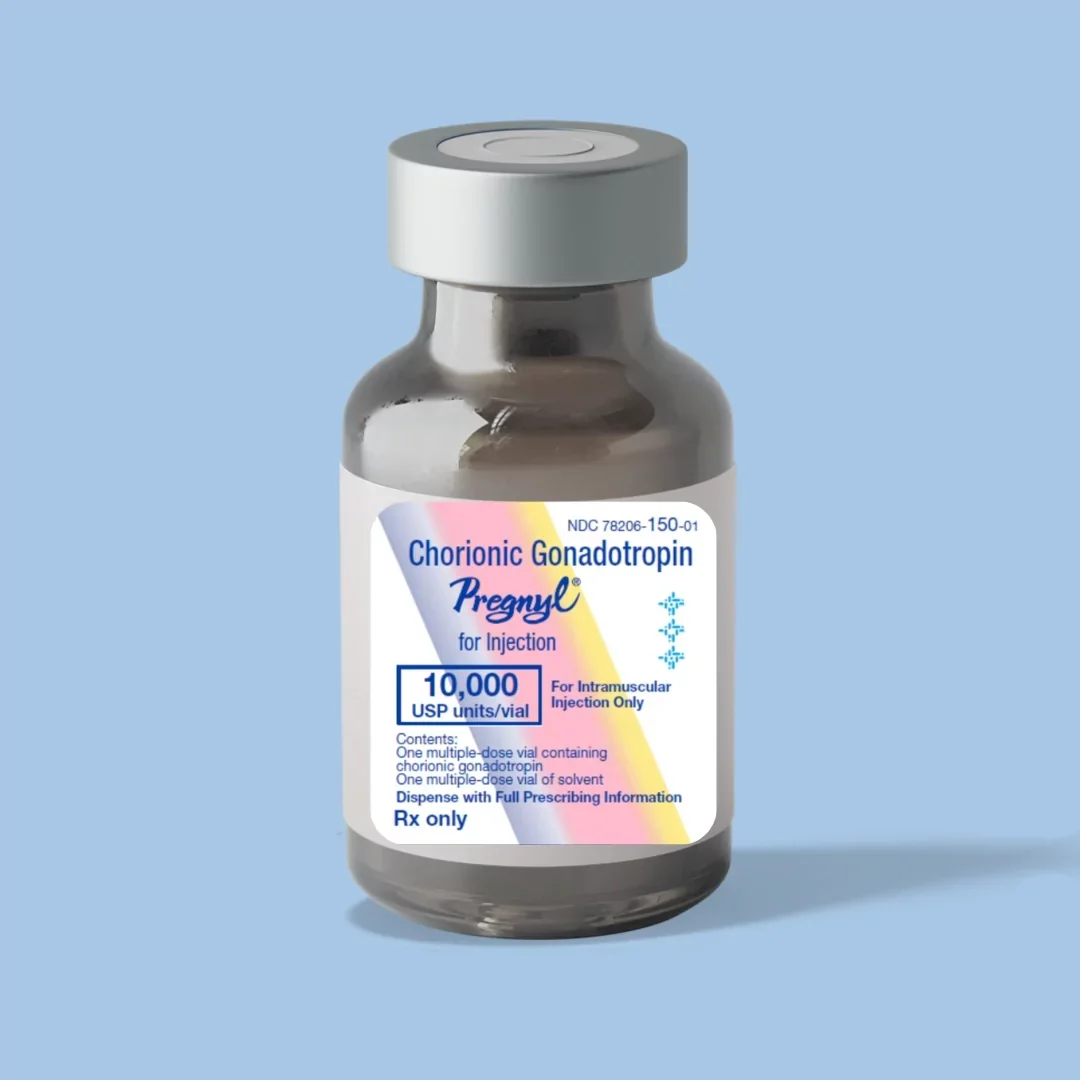
Pregnyl® (Human Chorionic Gonadotropin, hCG) is an FDA-approved prescription hormone medication that helps stimulate your body’s natural hormone production. It works similarly to a hormone called luteinizing hormone (LH), which plays an important role in reproductive and hormone health.
For men, Pregnyl may be prescribed in certain cases where the body is not properly signaling the testes to produce testosterone due to a pituitary-related condition. In these situations, it can help stimulate natural testosterone production under medical supervision.
For women undergoing fertility treatment, Pregnyl is used alongside other medications to help trigger ovulation when appropriate. Careful monitoring is required throughout treatment.
It is important to know that according to FDA labeling, hCG has not been shown to help with weight loss, reduce hunger, or change fat distribution.
Pregnyl is given as an intramuscular injection and is only available with a prescription. Your Superior provider will determine if this medication is appropriate based on your labs, medical history, and treatment goals.
Pregnyl® (chorionic gonadotropin) is an FDA-approved prescription commercial injectable. Review important medication safety information.
Pricing is provided for reference only. All medications require a valid prescription from a Superior provider and are dispensed directly by our partnering pharmacies — not sold through this website.
Pregnyl® (Human Chorionic Gonadotropin, hCG) is an FDA-approved prescription hormone medication that helps stimulate your body’s natural hormone production. It works similarly to a hormone called luteinizing hormone (LH), which plays an important role in reproductive and hormone health.
For men, Pregnyl may be prescribed in certain cases where the body is not properly signaling the testes to produce testosterone due to a pituitary-related condition. In these situations, it can help stimulate natural testosterone production under medical supervision.
For women undergoing fertility treatment, Pregnyl is used alongside other medications to help trigger ovulation when appropriate. Careful monitoring is required throughout treatment.
It is important to know that according to FDA labeling, hCG has not been shown to help with weight loss, reduce hunger, or change fat distribution.
Pregnyl is given as an intramuscular injection and is only available with a prescription. Your Superior provider will determine if this medication is appropriate based on your labs, medical history, and treatment goals.
Pregnyl® (chorionic gonadotropin) is an FDA-approved prescription commercial injectable. Review important medication safety information.
Pricing is provided for reference only. All medications require a valid prescription from a Superior provider and are dispensed directly by our partnering pharmacies — not sold through this website.
Important Safety Information: Pregnyl® (chorionic gonadotropin) | Injection
What is this?
This Important Safety Information summarizes key warnings and precautions for Pregnyl (chorionic gonadotropin, hCG), an FDA-approved prescription medication given by intramuscular injection after mixing (reconstitution). hCG acts similarly to the body’s natural luteinizing hormone (LH).
Pregnyl may be used:
In males: in selected cases of hypogonadotropic hypogonadism (low gonadotropins due to pituitary-related deficiency).
In females: to help trigger ovulation as part of certain fertility treatment protocols, after appropriate evaluation and treatment with gonadotropins.
In pediatrics: for prepubertal cryptorchidism (undescended testicle) not due to anatomical obstruction.
Important: hCG has not been shown to help with obesity or weight loss and does not reduce hunger or change body fat distribution.
This summary does not include all available information. Always read your medication label and follow your provider’s instructions.
Most Serious Warnings
Pregnyl can cause serious risks, including:
Severe allergic reactions, including anaphylaxis
Ovarian Hyperstimulation Syndrome (OHSS) in females using fertility medications, which can become life-threatening
Blood clots (thromboembolic events), which may occur with or without OHSS and can rarely be fatal
Serious lung problems (including fluid around the lungs or acute breathing issues), most often reported with fertility treatment
Ovarian torsion (twisting of the ovary), which is a medical emergency
Multiple gestation (twins or more) when used in fertility treatment
Ectopic pregnancy (pregnancy outside the uterus) in patients using assisted reproductive technologies
Fluid retention due to increased androgen production (more relevant at higher doses, especially in males)
Solvent warning: The Pregnyl solvent contains benzyl alcohol and is not for use in newborns.
Who Should NOT Take Pregnyl
Do not use Pregnyl if you:
Have had an allergic reaction to hCG or other human gonadotropins, or any ingredient in the product
Have uncontrolled non-gonadal endocrine disorders (such as uncontrolled thyroid, adrenal, or pituitary disorders)
Have certain hormone-sensitive tumors, including tumors of:
Hypothalamus or pituitary
Ovary, breast, or uterus (females)
Breast or prostate (males)
Are a female with high FSH levels suggesting primary ovarian failure
Have abnormal vaginal bleeding with an unknown cause
Have reproductive organ abnormalities or uterine fibroids that make pregnancy unsafe or unlikely to succeed
Before Taking Pregnyl, Tell Your Healthcare Provider if You:
Have a history of blood clots, clotting disorders (thrombophilia), severe obesity, or a strong family history of clots
Have heart disease, kidney disease, high blood pressure, epilepsy, migraine, or asthma (Pregnyl can cause fluid retention)
Are undergoing fertility treatment and have risk factors for high ovarian response or OHSS
Are pregnant, think you may be pregnant, or are breastfeeding
Take any prescription or over-the-counter medicines, vitamins, or supplements
Have any concerns about cancers that may be sensitive to hormones (such as prostate, breast, uterine, or ovarian cancers)
Possible Side Effects
Common (mild to moderate):
Injection site reactions (pain, redness, swelling, itching, bruising)
Headache
Fatigue
Swelling (edema)
Mood changes (irritability, restlessness, depression)
In males: breast tenderness or enlargement (gynecomastia) can occur
Serious (seek medical care immediately):
Allergic reaction symptoms: hives, rash, fever, swelling of face or throat, trouble breathing
Signs of a blood clot: leg pain or swelling, chest pain, shortness of breath, sudden weakness, severe headache, vision or speech changes
In females receiving fertility treatment: symptoms of OHSS, including severe pelvic or abdominal pain, rapid weight gain, nausea/vomiting, shortness of breath, decreased urination, or significant abdominal swelling
Sudden severe pelvic pain (possible ovarian torsion)
While Taking Pregnyl
Contact your provider right away if you develop:
Shortness of breath, chest pain, or one-sided leg swelling
Severe headache, sudden vision changes, confusion, or weakness
Severe pelvic or abdominal pain, rapid weight gain, or persistent nausea/vomiting (especially during fertility treatment)
Signs of an allergic reaction
In children treated for undescended testicle: signs of early puberty (precocious puberty)
Pregnancy and Fertility
Pregnyl is not indicated for use during pregnancy. In some fertility protocols, it may be used briefly for luteal support but is typically discontinued once pregnancy is confirmed.
Fertility treatment using gonadotropins can increase the risk of multiple births, ectopic pregnancy, and miscarriage. Early ultrasound is important to confirm the pregnancy is in the uterus.
Overdose
If too much is used, risks may increase. Seek urgent medical care if you have severe symptoms such as:
Severe pelvic or abdominal pain, rapid swelling or weight gain
Shortness of breath
Signs of blood clots or severe allergic reaction
Missed Dose
If you miss a dose:
Do not double the next dose
Contact your prescribing provider for instructions
Storage
Store unopened vials at room temperature as directed on the label.
After mixing, refrigerate as directed. Do not freeze.
Use the mixed solution only within the timeframe listed on the product instructions and your provider’s guidance. Discard if it is discolored or contains particles.
Medication Disposal
Dispose of unused medication and sharps (needles, syringes) using approved sharps containers and local disposal guidance. Ask your pharmacy about take-back options.
Provider Oversight and Monitoring
Pregnyl dosing and timing depend on your medical goals and must be supervised by a licensed clinician. In fertility treatment, monitoring may include ultrasound and lab testing to reduce the risk of OHSS and multiple gestation.
Telemedicine Disclosure
If Pregnyl is prescribed via telemedicine and you experience severe or concerning symptoms, contact your prescribing clinician immediately or seek emergency medical care.
Disclaimer
This summary does not include all information about Pregnyl and should not replace medical guidance. Always consult your healthcare provider or pharmacist for complete safety information, potential interactions, and individualized treatment recommendations.
You are encouraged to report negative side effects of prescription drugs to the FDA. Visit MedWatch or call 1-800-FDA-1088.
