
Chronic Fatigue and Brain Fog: Find Your Baseline Again
Disclaimer: The content provided on this website is for informational and educational purposes only and is not intended as a substitute for professional medical advice, diagnosis, or treatment. The information presented does not constitute medical recommendations and should not be used to guide clinical decisions. Always seek the advice of a licensed healthcare provider regarding any medical condition or treatment. Do not disregard or delay professional medical care based on information found on this site. Some services may involve compounded medications that have not been reviewed by the FDA for safety or effectiveness; no therapeutic claims are made for these products. Visuals are for illustrative purposes only; individuals shown are not actual patients. Individual results may vary. See full safety information for more details.

If you have been wrestling with energy that crashes by mid-afternoon, brain fog that makes simple decisions feel harder than they should, or sleep that never quite leaves you feeling rested, your body may be asking for a closer look at the foundations underneath those symptoms.
More often than people realize, persistent fatigue and stress intolerance are not random. They can reflect a body that has been running on depleted reserves for a long time.
When the body is under ongoing stress, symptoms rarely show up one at a time. Low energy, poor recovery, trouble focusing, disrupted sleep, and feeling “wired but tired” often overlap because the systems involved are closely connected. The nervous system, nutrient status, sleep quality, inflammation, and energy production pathways all influence one another. When one area is struggling, the effects can ripple into several others.
That part of the conversation is largely missing in many traditional wellness discussions. In practice, people are often given isolated recommendations for isolated symptoms, even when the bigger picture suggests a deeper pattern of depletion and dysregulation underneath.
Real health is built on foundations. When the body does not have the nutrients, recovery capacity, or physiologic support it needs, it becomes harder to maintain steady energy, resilience, and overall wellbeing. Working with a licensed healthcare provider to evaluate those patterns is an important step, especially because symptoms that appear similar on the surface can have very different root causes underneath.
The Renew and Reset Stack is designed as a foundational wellness protocol intended to support recovery, nervous system balance, and cellular energy production through a combination of dietary supplements and prescription therapies.
The Pacing of Adjustment
One of the hardest parts of rebuilding depleted reserves is that the process rarely happens quickly. Modern wellness culture often promises fast results, but the body typically responds in layers and over time. Sleep patterns, nutrient stores, stress signaling, and recovery capacity do not shift overnight.
When new nutrients or medical supports are introduced, the body needs consistency before meaningful changes can occur. In practice, the first several weeks of a restorative protocol are often less about dramatic improvements and more about stabilization. This may look like fewer afternoon crashes, slightly better sleep quality, improved stress tolerance, or waking up feeling a little more rested than before.
The timeline can vary significantly from person to person. Someone with mild depletion may notice changes fairly quickly, while someone who has been under chronic physiologic stress for years may require a longer period of support before improvements become more noticeable. Two people can follow the same protocol and respond very differently depending on nutrient status, sleep quality, stress load, underlying health conditions, and overall reserve capacity.
What makes this important is that sustainable wellness usually requires a longer-term view. The goal is not to force the body into short-term performance, but to create an internal environment that may better support resilience and recovery over time.
Supporting System Regulation with Low-Dose Naltrexone
One component of this protocol involves low-dose naltrexone (LDN), which is a compounded, off-label form of the prescription medication naltrexone. Standard-dose naltrexone is FDA-approved for alcohol dependence and relapse prevention in opioid dependence, but compounded low-dose formulations are sometimes used clinically for other purposes under provider supervision.
Research surrounding LDN is still evolving, and much of the current interest centers around its potential effects on inflammation, nervous system signaling, and immune regulation (Patel & Barvaliya, 2016). Some proposed mechanisms suggest that temporarily blocking opioid receptors may stimulate a rebound increase in the body’s natural endorphin production, which researchers believe could influence pain signaling and stress response pathways (Patel & Barvaliya, 2016).
In practice, some individuals report improvements in energy, sleep quality, or overall wellbeing while using LDN. However, most existing research has focused on specific chronic conditions, including fibromyalgia and chronic pain syndromes, rather than general wellness support (Younger et al., 2014). Current evidence remains limited, especially in larger placebo-controlled trials.
Drug Name: Low-Dose Naltrexone (Compounded).
FDA-Approved Indication (for standard-dose Naltrexone): Naltrexone is indicated for the treatment of alcohol dependence and for the prevention of relapse to opioid dependence following opioid detoxification.
Significant Risks: Potential side effects may include nausea, headache, dizziness, nervousness, vivid dreams, sleep disruption, fatigue, and anxiety. Mood changes, worsening depression, and suicidal thoughts have also been reported. More serious risks can include liver injury at high doses or allergic reactions. Naltrexone must not be used in individuals currently taking opioid-containing medications or experiencing acute opioid withdrawal. This includes prescription opioid pain medications as well as certain cough, cold, and antidiarrheal products that contain opioids. LDN is considered experimental, and its long-term efficacy for general wellness support has not been fully established.
Cellular Energy and Cognitive Support: Vitamin B12
When energy production feels impaired, nutrient status is often worth evaluating more closely. Vitamin B12 plays an important role in neurologic function, red blood cell formation, and cellular energy metabolism (O’Leary & Samman, 2010). Low levels can contribute to symptoms such as fatigue, weakness, numbness or tingling, poor concentration, and brain fog.
This protocol includes methylcobalamin, one of the naturally occurring coenzyme forms of vitamin B12. Vitamin B12 may be administered through injections because injectable forms bypass the digestive tract and may be useful for individuals with absorption challenges, significant deficiency, or neurologic symptoms. That said, research has also shown that high-dose oral supplementation can be effective for many individuals, even in cases of deficiency (Wang et al., 2018).
Neither approach replaces the other. They serve different purposes. In practice, the best option often depends on lab findings, symptom patterns, digestive health, medical history, and provider assessment.
It is also important to understand that while cyanocobalamin injections are FDA-approved, Drug Name: Methylcobalamin (Compounded).
FDA-Approved Indication (for Cyanocobalamin): Treatment of Vitamin B12 deficiency.
Methylcobalamin injections are typically compounded preparations that have not been individually reviewed by the FDA for safety or effectiveness.
Significant Risks: Vitamin B12 is generally well tolerated, but possible side effects can include mild diarrhea, itching, swelling, or injection site discomfort. Rare but serious risks associated with correction of severe deficiency may include peripheral vascular thrombosis, pulmonary edema, congestive heart failure, and anaphylaxis.
Prioritizing Recovery with Magnesium and L-Theanine
Recovery is one of the most overlooked aspects of long-term health. The body cannot maintain resilience indefinitely without adequate sleep, nutrient support, and nervous system recovery, especially during periods of chronic stress.
Magnesium is involved in hundreds of biochemical reactions related to muscle function, nervous system regulation, blood sugar balance, and energy production (Abbasi et al., 2012). While severe magnesium deficiency is relatively uncommon, subclinical insufficiency may be more common than many people realize, particularly in individuals under chronic stress or those with diets low in mineral-rich whole foods.
This protocol utilizes magnesium glycinate, a form often chosen because it is generally well absorbed and tends to be gentler on digestion compared to some other forms. Magnesium supplementation may support relaxation and sleep quality in certain individuals (Arab et al., 2023). In practice, magnesium is often used as a supportive tool rather than a standalone solution.
The protocol also includes L-Theanine, an amino acid naturally found in green tea that has been studied for its potential role in supporting relaxation and stress management without significant sedation (Williams et al., 2020). Some people describe feeling calmer or more mentally settled while using it, particularly during periods of heightened stress or nervous system overload.
At the same time, researchers have cautioned that public enthusiasm around L-Theanine may currently exceed the strength of the available evidence, especially regarding higher-dose or long-term use (Dashwood & Visioli, 2025). As with many supplements, individual responses can vary significantly.
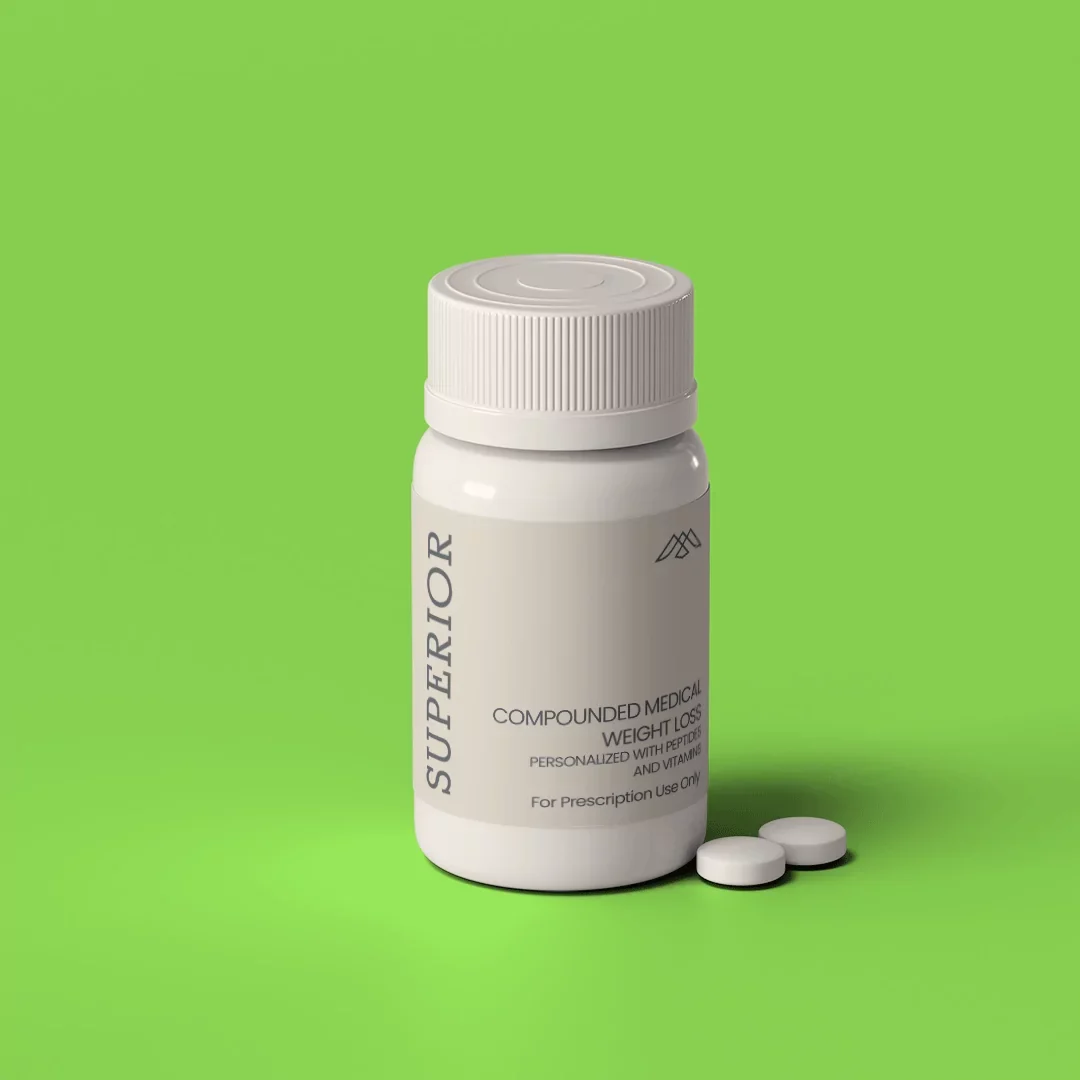
Low Dose Naltrexone (LDN) is a compounded prescription medication formulated in low strengths, commonly 1 mg to 4.5 mg, as determined by your Superior provider. While naltrexone is FDA-approved at higher doses for opioid and alcohol dependence, low-dose use is prescribed based on provider discretion for immune modulation and inflammation support.
At low doses, naltrexone temporarily blocks opioid receptors, which may stimulate a rebound increase in endorphin production and regulatory signaling pathways. This mechanism is being studied for its potential role in supporting immune balance and reducing inflammatory signaling. Treatment plans are personalized based on your medical history, lab results, and clinical goals.
This is a compounded oral capsule/tablet dispensed by a licensed compounding pharmacy. Compounded medications are not FDA-approved and have not been reviewed for safety or efficacy. Review important medication safety information.
Pricing is provided for reference only. All medications require a valid prescription from a Superior provider and are dispensed directly by our partnering pharmacies — not sold through this website.
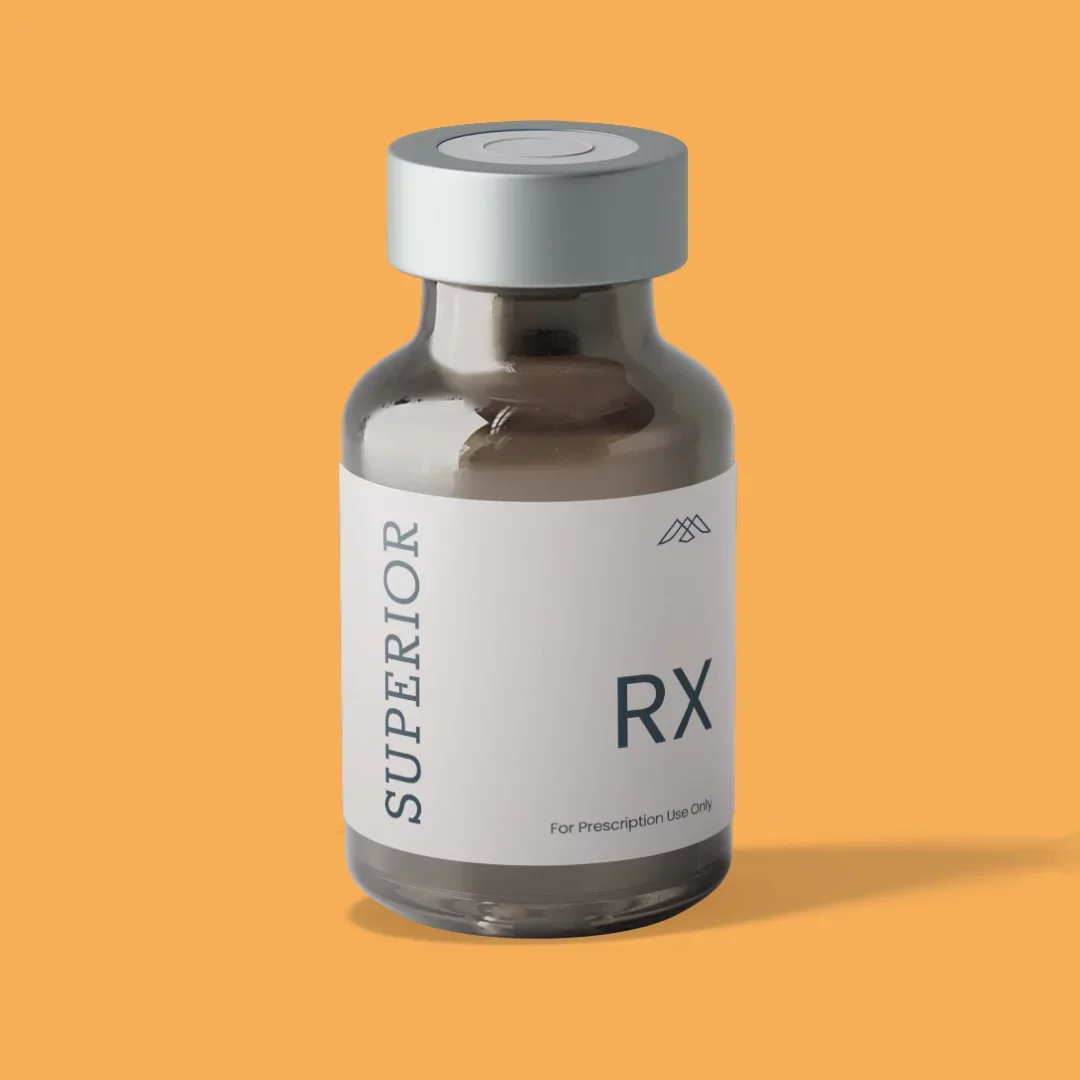
Methylcobalamin is an active form of Vitamin B12 that your body can use right away. It supports energy production, brain clarity, red blood cell formation, and healthy nerve function. When B12 levels are low, you may feel tired, foggy, weak, or run down. Injectable methylcobalamin allows for direct absorption, which may be helpful for patients who have difficulty absorbing B12 through the digestive system.
This is a compounded injectable dispensed by a licensed compounding pharmacy. Compounded medications are not FDA-approved and have not been reviewed for safety or efficacy. Review important medication safety information.
Pricing is provided for reference only. All medications require a valid prescription from a Superior provider and are dispensed directly by our partnering pharmacies — not sold through this website.
Magnesium with L-Theanine
The Role of Professional Guidance and Long-Term Support
Restoring depleted reserves is rarely a one-size-fits-all process. Two people can have similar symptoms on paper but very different underlying drivers contributing to those symptoms. That is why individualized evaluation matters.
A provider may evaluate nutrient status, sleep patterns, medication history, stress load, and other contributing factors to determine whether components of this protocol are appropriate for your individual needs. Ongoing follow-up is equally important because the body’s needs can change over time, especially as stress levels, recovery patterns, and overall health status evolve.
The goal is not perfection. More often, the goal is helping the body regain a more stable and sustainable baseline.
Navigating the Initial Phase of Restoration
When beginning a restorative protocol, improvements are often gradual rather than dramatic. In the early weeks, changes may feel subtle at first. Some people notice they are sleeping more deeply, waking less often overnight, or feeling slightly more steady throughout the day.
As support continues and the nervous system becomes less reactive, energy patterns may begin to feel more consistent. Instead of sharp crashes late in the afternoon, there may be a greater sense of stability and resilience across the day. For others, the most noticeable shift is improved stress tolerance or a reduced feeling of being constantly overstimulated and depleted at the same time.
This phase requires patience. Rebuilding reserves after long periods of stress or depletion is usually a gradual process, and sustainable progress often comes from consistency rather than intensity.
Next Steps
If your energy has been low for longer than you can remember, and the usual explanations have not fully explained why, your symptoms are worth a closer look. Persistent fatigue, poor recovery, brain fog, and stress intolerance are often signs that the body needs a more complete evaluation. Having a conversation with a licensed provider about your symptoms, lab work, and overall health patterns may help clarify what support makes the most sense for you.
Book a FREE Care Call Today
to explore how we can help you feel your best.
Active Patient? Schedule your follow-up today and reconnect with your Superior provider for personalized guidance.
Disclaimer: This content contains information related to prescription medications and is intended for educational and advertising purposes. All prescription therapies must be used only as directed and under the supervision of a licensed healthcare provider. Benefits and risks should be discussed with your provider. Some treatments, including low-dose naltrexone and methylcobalamin injections, involve compounded medications that have not been reviewed by the FDA for safety or effectiveness. Low-dose naltrexone is an experimental, off-label use of an FDA-approved medication. Individual results may vary and are not guaranteed. Product images are for mock-up and branding purposes only and may differ from actual pharmacy-dispensed medications. Visuals are for illustrative purposes only; individuals shown are not actual patients. For full prescribing information, please consult your provider or review the medication safety information. You are encouraged to report negative side effects of prescription drugs to the FDA. Visit MedWatch or call 1-800-FDA-1088.
Brief Summary of Risks:
Naltrexone: Common side effects include nausea, headache, dizziness, anxiety, insomnia, vivid dreams, and fatigue. Mood changes, worsening depression, and suicidal thoughts have also been reported. There is a risk of liver injury (hepatotoxicity) at high doses. Naltrexone is contraindicated in patients currently using opioid-containing medications or experiencing acute opioid withdrawal, including certain opioid-containing cough, cold, and antidiarrheal products. LDN is experimental, and long-term efficacy for general wellness support has not been fully established.
Vitamin B12: Potential risks include peripheral vascular thrombosis, pulmonary edema, congestive heart failure, and allergic reactions. Mild side effects such as itching or temporary diarrhea may also occur.
Magnesium and L-Theanine: Generally well tolerated at standard doses, though excessive magnesium intake may cause diarrhea or abdominal cramping. Long-term data on higher-dose L-Theanine supplementation remains limited.
References
FDA. (2025). Cyanocobalamin. Updated December 5, 2025.
O’Leary, F., & Samman, S. (2010). Vitamin B12 in health and disease. Nutrients, 2(3), 299–316.
