
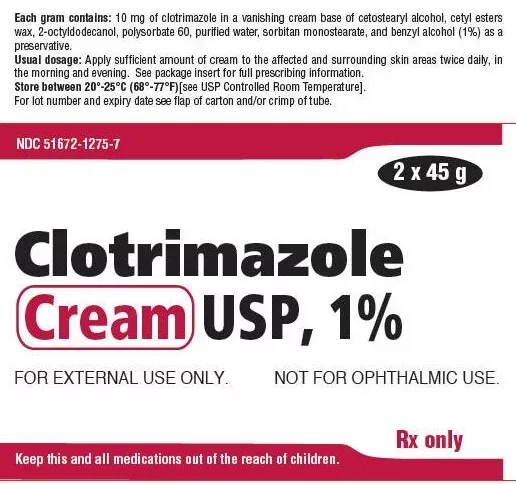
Clotrimazole Cream
Clotrimazole 1% | Antifungal Cream for Athlete’s Foot and Skin Yeast Infections
What is this medication?
Clotrimazole is a topical antifungal medication used to treat fungal infections of the skin. It works by stopping the growth of fungi and helping clear the infection from the affected area.
This medication is considered a broad-spectrum antifungal, meaning it works against multiple types of fungi including dermatophytes (such as those that cause athlete’s foot and ringworm), yeast infections like Candida, and other fungal organisms. 
Clotrimazole is applied directly to the skin and is only minimally absorbed into the bloodstream, which helps limit systemic side effects. 
Your provider may recommend this medication for localized fungal skin infections that require topical treatment.
-
When traveling with clotrimazole cream:
Store the medication at room temperature 20°C to 25°C (68°F to 77°F).
Keep the medication tightly closed and out of reach of children
Avoid excessive heat, freezing temperatures, and direct sunlight
Keep the medication in original labeled packaging
Carry medications in your carry-on luggage when flying
Good travel hygiene can help prevent fungal infections:
keep feet dry
change socks regularly
wear breathable footwear
use sandals in public showers or locker rooms
When should this medication be used?
Your provider may recommend clotrimazole cream to treat fungal skin infections such as:
Athlete’s foot (tinea pedis)
Jock itch (tinea cruris)
Ringworm of the body (tinea corporis)
Skin yeast infections caused by Candida
Tinea versicolor (a fungal skin discoloration caused by Malassezia furfur)
These infections commonly occur in warm, moist environments and may appear during travel due to sweating, shared facilities, or prolonged moisture exposure.
Symptoms of fungal skin infections may include:
itchy or burning skin
red or scaly rash
peeling or cracking skin
discoloration of the skin
small blisters or irritation in the affected area
Contact a healthcare provider if symptoms worsen or do not improve after treatment.
-
Follow the directions on your prescription label and the instructions provided by your healthcare provider.
General instructions for use include:
Apply a thin layer of the cream to the affected skin area and the surrounding skin
Gently massage the medication into the skin
Use the medication twice daily, typically in the morning and evening
Wash and dry the affected area before applying the cream
Continue treatment for the full recommended duration, even if symptoms improve
Clinical improvement such as reduced itching often occurs within the first week of treatment.
If there is no improvement after four weeks of treatment, the diagnosis should be re-evaluated by a healthcare provider.
Important application guidance:
Wash your hands before and after applying the medication
Apply only to affected skin unless directed otherwise
Do not cover the area with tight bandages or occlusive dressings unless instructed by your provider
Avoid contact with the eyes, mouth, or inside the nose
This medication is for external use only and should not be used in the eyes.
-
Apply the missed dose as soon as you remember
If it is close to your next scheduled application, skip the missed dose
Do not apply extra medication to make up for a missed dose
If you are unsure how to continue treatment, contact your provider or pharmacist.
-
While using clotrimazole:
Use the medication for the full treatment course, even if symptoms improve early
Do not cover the area with tight or occlusive dressings unless instructed
Avoid scratching or irritating the affected area
Keep the area clean and dry
Avoid sharing towels, clothing, or personal items
Monitor for signs of worsening irritation such as:
increased redness
burning or stinging
swelling or oozing
If irritation or sensitivity develops, stop using the medication and contact your provider.
Avoid situations that may lead to reinfection, such as prolonged moisture or contaminated surfaces.
-
Clotrimazole applied to the skin has minimal systemic absorption, and significant drug interactions are not expected.
No known interactions have been reported with:
nystatin
amphotericin B
flucytosine
However, tell your provider about all medications you are using, including topical products.
Important Safety Information
-
Clotrimazole cream is generally well tolerated, but like all medications it may cause side effects or allergic reactions in some individuals.
Most serious warnings may include:
severe allergic reactions such as rash, swelling of the face, lips, tongue, or throat
worsening skin irritation
blistering or severe redness at the application site
Risks while using clotrimazole:
skin irritation at the application site
allergic reaction to the medication or ingredients
worsening of symptoms if misused or if the condition is not fungal
-
signs of severe allergic reaction (rash, swelling, difficulty breathing)
severe skin irritation or worsening condition
signs of infection (increased redness, swelling, drainage)
unusual symptoms such as fatigue, weight gain, or swelling
-
Do not use this medication if you:
are allergic to clotrimazole or any ingredient in the cream
-
Tell your healthcare provider before using this medication if you:
are allergic to clotrimazole or similar antifungal medications
have a history of skin sensitivities or allergic reactions
are pregnant or planning to become pregnant
are breastfeeding
are using other prescription or over-the-counter topical medications
Clotrimazole should not be used by individuals with known sensitivity to any component of the formulation.
-
Common side effects may include:
mild burning or stinging
itching or irritation at the application site
redness of the skin
skin peeling or dryness
These symptoms are usually mild and improve as the skin heals.
Less Common but Possible Side Effects
Some individuals may experience more noticeable skin reactions such as:
blistering
swelling (edema)
hives (urticaria)
persistent itching (pruritus)
These reactions have been reported with topical clotrimazole use.
If severe irritation develops, discontinue the medication and seek medical advice.
-
Overdose is unlikely with topical use and is not expected to cause life-threatening effects.
If the medication is accidentally swallowed, contact a poison control center or seek medical care.
-
Do not flush this medication down the toilet
Do not pour into drains
Use a medication take-back program if available
If not available, place in a sealed container with an undesirable substance and dispose in the trash
Keep out of reach of children and pets
Disclaimers
-
This prescription may have been issued through a telemedicine consultation with a licensed healthcare provider. If you experience severe symptoms, worsening illness, or any concerning reactions while using this medication, contact your prescribing clinician immediately or seek emergency medical care.
-
This medication guide summarizes important safety information derived from pharmacy labeling, medication manufacturers, and prescribing references. It is intended to help patients understand the safe use of medications included in the Superior Health & Wellness Travel Medical Kit.
This guide does not contain the complete prescribing information for Clotrimazole 1% Cream. Always follow the directions provided by your healthcare provider and the instructions on the pharmacy label that accompanies your prescription.
Medications included in travel medical kits are prescribed only after a clinical evaluation by a licensed healthcare provider. Prescriptions are issued based on your medical history, current medications, allergies, and overall health needs. Not all patients will qualify for every medication or kit configuration, and the contents of each kit may vary based on provider discretion and patient suitability.
Some medications included in travel medical kits are commercially manufactured medications dispensed through licensed pharmacies. In certain cases, a medication may be provided as a compounded formulation prepared by a licensed compounding pharmacy when a provider determines that a compounded version is medically appropriate for a patient. Compounded medications are not reviewed or approved by the U.S. Food and Drug Administration (FDA) for safety or effectiveness but are prepared by licensed pharmacies in accordance with applicable pharmacy regulations.
Travel Medical Kits are intended to provide limited medication support during travel when timely access to medical care may be difficult. These kits are not a substitute for routine medical care, primary care services, or emergency medical treatment. Purchasing a Travel Medical Kit does not establish a primary care relationship with Superior Health & Wellness and does not include ongoing medical supervision beyond the initial provider evaluation used to determine eligibility for the kit.
Patients experiencing severe illness, worsening symptoms, medication reactions, or medical emergencies should seek immediate medical care or contact a licensed healthcare professional.
Medical services and prescriptions offered through Superior Health & Wellness are provided by licensed healthcare professionals in accordance with applicable state and federal laws. Prescription medications are dispensed by licensed pharmacies following a valid provider prescription.
Patients are encouraged to report negative side effects of prescription medications to the U.S. Food and Drug Administration (FDA). Visit MedWatch or call 1-800-FDA-1088.