
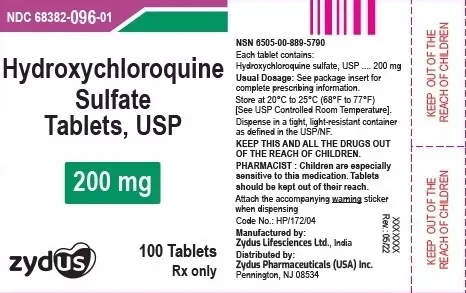
Hydroxychloroquine
Hydroxychloroquine Sulfate | Medication for Malaria Prevention and Autoimmune Conditions
What is this medication?
Hydroxychloroquine is a medication that works in two main ways: it helps prevent and treat certain types of malaria infections, and it helps regulate the immune system in autoimmune conditions.
For malaria, it works by interfering with the parasite’s ability to grow and spread inside your body. For autoimmune conditions like lupus or rheumatoid arthritis, it helps calm an overactive immune response that can cause inflammation, pain, and tissue damage.
This medication may be prescribed for:
Prevention of malaria when traveling to certain regions
Treatment of uncomplicated malaria infections
Autoimmune conditions such as lupus or rheumatoid arthritis
Chronic inflammatory conditions affecting the skin or joints
This medication does not treat all types of malaria and may not be effective in areas where resistance is known.
This medication should only be used under the guidance of a licensed healthcare provider.
-
Store at 68°F to 77°F (20°C to 25°C)
Keep in a tight, light-resistant container
Keep medication in original labeled packaging
Protect from heat, moisture, and light
Carry in your carry-on bag when flying
Take exactly as directed when traveling for malaria prevention
Do not share this medication with others
When should this medication be used?
Your provider may recommend this medication if you:
Are traveling to an area where malaria prevention is needed
Have been diagnosed with malaria
Have an autoimmune condition such as lupus or rheumatoid arthritis
Are experiencing inflammation related to immune system activity
For malaria prevention, this medication must be started before travel, continued during travel, and continued after returning.
Do not start this medication unless your provider has instructed you to do so.
-
Follow the directions on your prescription label and the instructions provided by your healthcare provider.
General instructions for use include:
Take the medication exactly as prescribed
Take with food or milk to reduce stomach upset
Swallow tablets whole, do not crush or split
Take doses consistently at the same time each day or week (depending on use)
Do not take more than prescribed
For malaria prevention:
Start 2 weeks before travel
Take once weekly on the same day
Continue during travel
Continue for 4 weeks after leaving the area
For autoimmune conditions:
It may take several weeks to months to feel full benefits
Because this medication builds up in your body over time, consistency is very important.
-
Take the missed dose as soon as you remember
If it is close to your next scheduled dose, skip the missed dose
Do not take two doses at the same time
If you are unsure what to do, contact your provider or pharmacist.
-
While taking hydroxychloroquine:
Take with food or milk to reduce nausea
Attend all recommended eye exams
Monitor for changes in vision
Be aware of changes in mood or mental health
Monitor blood sugar if you have diabetes
Inform any healthcare provider that you are taking this medication
Risks while taking hydroxychloroquine:
Hydroxychloroquine affects multiple systems in the body and may cause:
Effects on heart rhythm (QT prolongation)
Vision changes or retinal damage with long-term use
Low blood sugar (hypoglycemia)
Muscle weakness or nerve issues
Mood or psychiatric changes
Blood cell abnormalities
Liver or kidney effects
Some risks increase with long-term use or higher doses.
-
Hydroxychloroquine may interact with other medications and increase the risk of side effects.
Tell your healthcare provider about all medications you are taking.
Examples of potential interactions include:
Medications that affect heart rhythm (QT-prolonging drugs): may increase risk of dangerous arrhythmias
Diabetes medications or insulin: may increase risk of low blood sugar
Antiepileptic medications: may be less effective
Methotrexate: may increase side effects
Cyclosporine: levels may increase in the body
Digoxin: levels may increase and require monitoring
Antacids or kaolin: may reduce absorption (separate by at least 4 hours)
Rifampin: may reduce effectiveness
Cimetidine: may increase drug levels
If you are unsure whether your medications may interact, contact your provider or pharmacist.
Important Safety Information
-
Hydroxychloroquine can cause serious side effects that require immediate medical attention.
Heart-related risks
This medication may cause dangerous heart rhythm problems, including:
Irregular heartbeat
Fainting or dizziness
Life-threatening arrhythmias
Eye (retinal) toxicity
Long-term use may cause permanent vision damage.
Watch for:
Blurred vision
Difficulty seeing in low light
Changes in visual field
Regular eye exams are required.
Severe skin reactions
Serious skin conditions may occur, including:
Stevens-Johnson syndrome
Toxic epidermal necrolysis
Neuropsychiatric effects
This medication may cause:
Depression
Anxiety
Hallucinations
Suicidal thoughts or behavior
Blood and immune system effects
Bone marrow suppression
Increased risk of infection
Low blood sugar (hypoglycemia)
Can occur even without diabetes and may be life-threatening.
Muscle and nerve damage
Weakness
Loss of coordination
Kidney and liver effects
May cause organ toxicity in some patients.
-
Stop taking the medication and seek immediate medical care if you experience:
Fast or irregular heartbeat
Chest pain or fainting
Sudden vision changes or blurred vision
Severe rash, blistering skin, or peeling skin
Severe weakness or muscle pain
Severe dizziness, confusion, or seizures
Yellowing of the skin or eyes
Signs of severe allergic reaction such as swelling of the face, lips, tongue, or throat
-
Who Should NOT Take This Medication
Do not take this medication if you:
Are allergic to hydroxychloroquine or similar medications (4-aminoquinolines)
Have known hypersensitivity to this medication
Use with caution or avoid if you have:
Certain heart rhythm disorders
Retinal or vision problems
Psoriasis (may worsen condition)
Porphyria (may worsen condition)
G6PD deficiency
Severe kidney or liver disease
-
Tell your provider if you:
have a history of medication allergies
have liver disease
have kidney disease
have had antibiotic-associated diarrhea
are pregnant or breastfeeding
Also tell your provider if you take:
blood thinners
gout medications
hormonal birth control
other antibiotics or prescription medications
-
Common side effects may include:
Nausea
Vomiting
Diarrhea
Abdominal pain
Other possible side effects may include:
Headache or dizziness
fatigue
loss of appetite
rash or skin sensitivity to sunlight
changes in hair color or hair loss
ringing in the ears or hearing changes
mood changes, anxiety, or sleep disturbances
Seek medical attention if side effects become severe or do not improve.
-
Hydroxychloroquine overdose can be life-threatening and may cause severe heart rhythm disturbances, seizures, low blood pressure, and cardiac arrest. Symptoms of overdose can occur within 1 to 3 hours after ingestion.
Immediate medical care is required if an overdose is suspected.
Symptoms of overdose may include:Severe heart rhythm abnormalities
Low blood pressure
Seizures
Confusion or coma
Visual disturbances or blindness
Dangerous electrolyte imbalances (such as low potassium)
-
Dispose of unused or expired medication properly:
Do not flush down the toilet unless instructed
Do not pour into drains
Use a medication take-back program if available
If unavailable, mix with an undesirable substance and discard in a sealed container
Keep out of reach of children and pets.
Disclaimers
-
This prescription may have been issued through a telemedicine consultation with a licensed healthcare provider. If you experience severe symptoms, worsening illness, or any concerning reactions while using this medication, contact your prescribing clinician immediately or seek emergency medical care.
-
This medication guide summarizes important safety information derived from pharmacy labeling, medication manufacturers, and prescribing references. It is intended to help patients understand the safe use of medications included in the Superior Health & Wellness Travel Medical Kit.
This guide does not contain the complete prescribing information for Hydroxychloroquine. Always follow the directions provided by your healthcare provider and the instructions on the pharmacy label that accompanies your prescription.
Medications included in travel medical kits are prescribed only after a clinical evaluation by a licensed healthcare provider. Prescriptions are issued based on your medical history, current medications, allergies, and overall health needs. Not all patients will qualify for every medication or kit configuration, and the contents of each kit may vary based on provider discretion and patient suitability.
Some medications included in travel medical kits are commercially manufactured medications dispensed through licensed pharmacies. In certain cases, a medication may be provided as a compounded formulation prepared by a licensed compounding pharmacy when a provider determines that a compounded version is medically appropriate for a patient. Compounded medications are not reviewed or approved by the U.S. Food and Drug Administration (FDA) for safety or effectiveness but are prepared by licensed pharmacies in accordance with applicable pharmacy regulations.
Travel Medical Kits are intended to provide limited medication support during travel when timely access to medical care may be difficult. These kits are not a substitute for routine medical care, primary care services, or emergency medical treatment. Purchasing a Travel Medical Kit does not establish a primary care relationship with Superior Health & Wellness and does not include ongoing medical supervision beyond the initial provider evaluation used to determine eligibility for the kit.
Patients experiencing severe illness, worsening symptoms, medication reactions, or medical emergencies should seek immediate medical care or contact a licensed healthcare professional.
Medical services and prescriptions offered through Superior Health & Wellness are provided by licensed healthcare professionals in accordance with applicable state and federal laws. Prescription medications are dispensed by licensed pharmacies following a valid provider prescription.
Patients are encouraged to report negative side effects of prescription medications to the U.S. Food and Drug Administration (FDA). Visit MedWatch or call 1-800-FDA-1088.