
Testosterone Troches for Men | Compounded Buccal Troche (Mint)
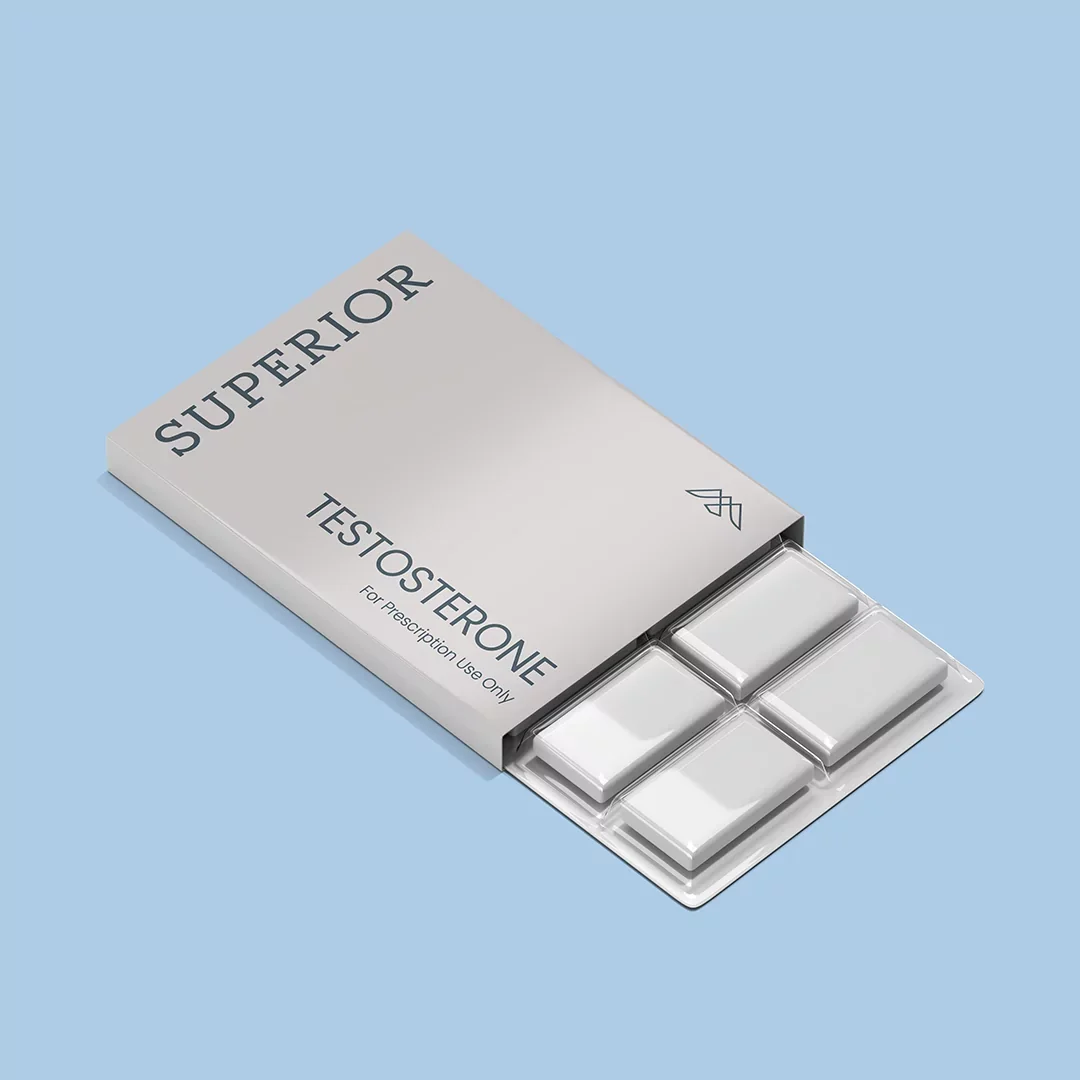
Male Testosterone Troche is a higher-dose compounded buccal hormone therapy prescribed for men diagnosed with low testosterone levels through symptoms and laboratory testing. Testosterone supports energy, libido, muscle mass, bone density, mood stability, and metabolic health.
This troche dissolves slowly between the gum and cheek, allowing testosterone to be absorbed directly through the oral mucosa. It may be an option for men who prefer not to use injections or topical creams.
Testosterone is an androgen hormone that plays a key role in energy levels, libido, muscle mass, bone density, mood stability, and overall metabolic health. When levels decline, men may experience fatigue, reduced sexual desire, decreased strength, mood changes, and difficulty maintaining lean body composition.
This product may be dispensed as either an FDA-approved commercial medication or a compounded formulation prepared by a licensed compounding pharmacy. Compounded medications have not been reviewed by the FDA for safety or efficacy. Review important medication safety information.
Pricing is provided for reference only. All medications require a valid prescription from a Superior provider and are dispensed directly by our partnering pharmacies — not sold through this website.
Male Testosterone Troche is a higher-dose compounded buccal hormone therapy prescribed for men diagnosed with low testosterone levels through symptoms and laboratory testing. Testosterone supports energy, libido, muscle mass, bone density, mood stability, and metabolic health.
This troche dissolves slowly between the gum and cheek, allowing testosterone to be absorbed directly through the oral mucosa. It may be an option for men who prefer not to use injections or topical creams.
Testosterone is an androgen hormone that plays a key role in energy levels, libido, muscle mass, bone density, mood stability, and overall metabolic health. When levels decline, men may experience fatigue, reduced sexual desire, decreased strength, mood changes, and difficulty maintaining lean body composition.
This product may be dispensed as either an FDA-approved commercial medication or a compounded formulation prepared by a licensed compounding pharmacy. Compounded medications have not been reviewed by the FDA for safety or efficacy. Review important medication safety information.
Pricing is provided for reference only. All medications require a valid prescription from a Superior provider and are dispensed directly by our partnering pharmacies — not sold through this website.
Important Safety Information: Testosterone | Compounded Buccal Troche, 50mg (Mint)
What is this?
This Important Safety Information summarizes key warnings and precautions for Testosterone 50mg Troche (Mint), a compounded buccal formulation used to treat clinically low testosterone levels in men. Testosterone is an androgen hormone responsible for energy, libido, muscle mass, mood stability, bone density, and red blood cell production. This troche is designed for buccal administration and dissolves slowly in the mouth for absorption through the oral mucosa. This compounded formulation has not been reviewed or approved by the U.S. Food and Drug Administration (FDA) for safety or efficacy and should only be used exactly as directed by a licensed healthcare provider. This summary does not include all available information. Always read your pharmacy label and follow your provider’s instructions.
Most Serious Warnings
Product can cause:
Severe allergic reactions, including rash, hives, swelling of the face, lips, tongue, or throat, and difficulty breathing
Increased risk of blood clots, including chest pain, shortness of breath, swelling, warmth, or pain in a leg or arm
Increased risk of heart attack, stroke, or cardiovascular events, particularly in patients with underlying heart disease
Worsening of prostate enlargement or potential stimulation of prostate cancer
Liver problems, including yellowing of the skin or eyes, dark urine, or abdominal pain
Mood or behavior changes, including depression or suicidal thoughts
Suppression of sperm production, which may affect fertility
Testosterone is classified as an anabolic steroid and is a Schedule III controlled substance. Misuse or abuse can lead to dependence and serious health risks, including cardiovascular, liver, and psychiatric complications.
Who Should NOT Take Testosterone Troche
Do not take this medication if you:
Have a known allergy to testosterone or any ingredient in the formulation
Are male and have breast cancer or prostate cancer
Are pregnant, planning pregnancy, or breastfeeding
Are a child
This medication is not approved for use in women and may cause harm to an unborn baby if exposed during pregnancy.
Before Taking Testosterone, Tell Your Healthcare Provider if You:
Have heart disease, high blood pressure, kidney disease, or liver disease
Have diabetes
Have sleep apnea
Have a history of blood clots
Have an enlarged prostate or urinary symptoms
Are trying to maintain fertility
Take prescription, over the counter, herbal, or supplement products
Testosterone therapy may increase cholesterol and triglyceride levels and may affect certain laboratory tests. Routine blood work and prostate monitoring are required during treatment.
Possible Side Effects
Common (mild to moderate):
Headache
Acne
Emotional ups and downs
Trouble sleeping
Fatigue or weakness
Mild irritation in the mouth at the site of troche placement
Serious (seek medical care immediately):
Signs of an allergic reaction
Frequent or prolonged erections
Difficulty urinating or weak urine stream
Swelling in the arms or legs
Sudden shortness of breath or chest pain
Severe headache, confusion, trouble speaking, or vision changes
Signs of liver problems such as yellowing of the skin or eyes
Signs of a blood clot such as swelling, warmth, pain, or color change in a limb
While Taking Testosterone Troche
Tell your healthcare provider immediately if you:
Experience chest pain, shortness of breath, or signs of a blood clot
Notice mood changes, depression, or unusual behavior
Develop urinary changes or prostate-related symptoms
Experience persistent abdominal pain or signs of liver issues
Regular monitoring of testosterone levels, red blood cell counts, liver function, and prostate markers is required.
Pregnancy and Fertility
Large doses of testosterone may reduce sperm production and may affect the ability to father a child. In some cases, fertility changes may not fully reverse after stopping therapy. Discuss fertility goals with your provider before starting treatment.
Overdose
Symptoms of testosterone overdose may include:
Severe mood changes
Persistent or painful erections
Severe swelling or fluid retention
Nausea or vomiting
Signs of blood clots or cardiovascular complications
If overdose is suspected, seek emergency medical attention or contact Poison Control immediately.
Missed Dosage
If you miss a dose:
Take the missed dose when you remember unless it is close to your next scheduled dose
Do not double your next dose
Contact your provider or pharmacy if you are unsure how to resume therapy
Storage
Store at room temperature unless otherwise directed on the pharmacy label
Keep out of reach of children and pets
Dispose of unused or expired medication according to local hazardous waste regulations
Storage
Store at room temperature unless otherwise directed on your label
Keep away from heat and moisture
Keep out of reach of children and pets
Dispose of unused or expired medication according to local hazardous waste regulations
Medication Disposal
Dispose of unused or expired medication according to local medication disposal guidelines. Do not flush medication or dispose of it in household drains. Contact your pharmacy for proper disposal instructions.
Provider Oversight and Order Review
This compounded medication requires review and oversight by licensed Superior Health & Wellness providers. Dosing and therapy adjustments must be discussed directly with your provider and are individualized based on laboratory results, symptoms, cardiovascular risk, and fertility considerations.
Telemedicine Disclosure
This prescription may have been issued via telemedicine. If you experience severe or concerning symptoms, contact your prescribing clinician immediately or seek emergency medical care.
Disclaimer
This summary does not include all information about Testosterone 8 mg Troche and should not replace medical guidance. Always consult your healthcare provider for complete safety information, potential interactions, and individualized recommendations. This compounded medication has not been evaluated or approved by the FDA for safety or efficacy.
You are encouraged to report negative side effects of prescription drugs to the FDA. Visit MedWatch or call 1 800 FDA 1088.
