
DHEA Cream (Dehydroepiandrosterone) | Compounded Hormone Therapy
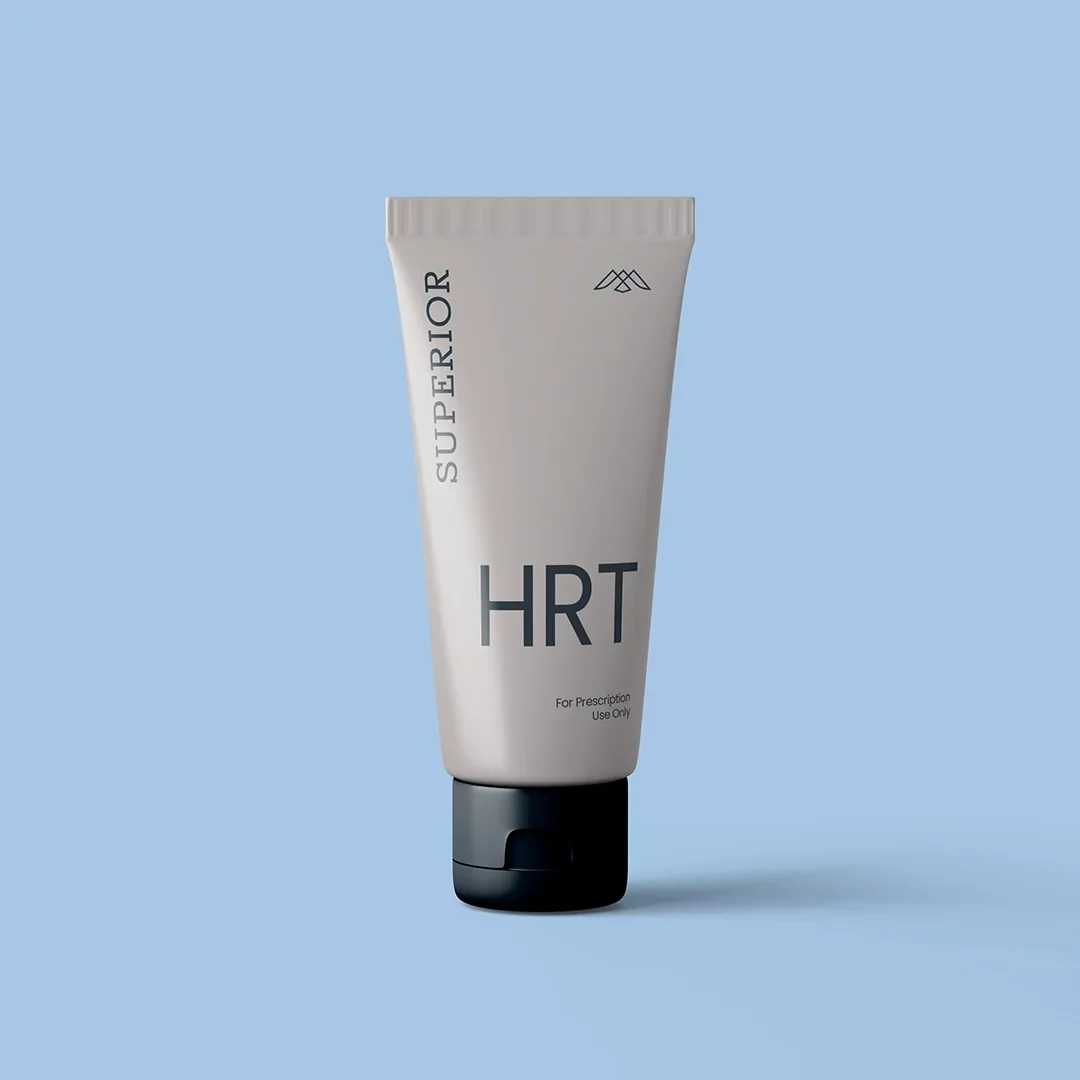
DHEA (Dehydroepiandrosterone) is a naturally occurring hormone produced by the adrenal glands that serves as a precursor to important hormones including estrogen and testosterone. Levels of DHEA may decline over time or be affected by stress, health conditions, or hormonal imbalances. When clinically appropriate, DHEA therapy may be prescribed to support hormonal balance and overall wellness.
Compounded DHEA may be recommended for patients experiencing symptoms related to hormonal changes such as fatigue, changes in mood, reduced libido, or decreased vitality. Because DHEA participates in the body’s hormone production pathways, therapy may support multiple aspects of metabolic, cognitive, and physical health when monitored by a licensed healthcare provider.
This is a compounded cream formulation dispensed by a licensed compounding pharmacy. Compounded medications are not FDA-approved and have not been reviewed for safety or efficacy. Review important medication safety information.
Pricing is provided for reference only. All medications require a valid prescription from a Superior provider and are dispensed directly by our partnering pharmacies — not sold through this website.
DHEA (Dehydroepiandrosterone) is a naturally occurring hormone produced by the adrenal glands that serves as a precursor to important hormones including estrogen and testosterone. Levels of DHEA may decline over time or be affected by stress, health conditions, or hormonal imbalances. When clinically appropriate, DHEA therapy may be prescribed to support hormonal balance and overall wellness.
Compounded DHEA may be recommended for patients experiencing symptoms related to hormonal changes such as fatigue, changes in mood, reduced libido, or decreased vitality. Because DHEA participates in the body’s hormone production pathways, therapy may support multiple aspects of metabolic, cognitive, and physical health when monitored by a licensed healthcare provider.
This is a compounded cream formulation dispensed by a licensed compounding pharmacy. Compounded medications are not FDA-approved and have not been reviewed for safety or efficacy. Review important medication safety information.
Pricing is provided for reference only. All medications require a valid prescription from a Superior provider and are dispensed directly by our partnering pharmacies — not sold through this website.
Important Safety Information: DHEA (Dehydroepiandrosterone) | Compounded Hormone Therapy
What is this?
This Important Safety Information summarizes key warnings and precautions for DHEA (Dehydroepiandrosterone), a naturally occurring hormone produced by the adrenal glands that serves as a precursor to both testosterone and estrogen. DHEA may be prescribed in certain patients to support hormone balance, energy levels, mood stability, bone health, and sexual health when clinically appropriate. This compounded formulation is prepared by a licensed compounding pharmacy and has not been reviewed or approved by the U.S. Food and Drug Administration (FDA) for safety or efficacy. Use only as directed by a licensed healthcare provider. This summary does not include all available information. Always read your medication label and follow your provider’s instructions.
Most Serious Warnings
DHEA products may cause serious adverse effects in some individuals, including:
Severe allergic reactions including rash, hives, swelling of the face, lips, tongue, or throat
Hormone-related side effects due to conversion to testosterone or estrogen
Worsening of hormone-sensitive conditions such as prostate, breast, or uterine cancer
Significant mood changes including irritability, anxiety, or depression
Cardiovascular concerns such as changes in cholesterol levels
Liver function abnormalities in rare cases
Compounded DHEA products may carry formulation or sterility risks because they are not reviewed by the FDA.
Who Should NOT Take DHEA
Do not take this medication if you:
Have a known allergy to DHEA or any ingredient in the formulation
Have a history of hormone-sensitive cancers such as breast, ovarian, or prostate cancer unless approved by your provider
Are pregnant or breastfeeding
Have been advised by your provider to avoid hormone-based therapies
Before Taking DHEA, Tell Your Healthcare Provider if You:
Have a history of hormone-sensitive conditions
Have liver disease or abnormal liver function tests
Have high cholesterol or cardiovascular disease
Have mood disorders, anxiety, or depression
Take any prescription medications, over-the-counter drugs, supplements, or herbal products
Smoke, drink alcohol, or use recreational drugs
Possible Side Effects
Common (mild to moderate):
Acne or oily skin
Increased facial or body hair
Headache
Mild mood changes
Changes in menstrual cycle in women
Serious (seek medical care immediately):
Swelling of the face, lips, tongue, or throat
Difficulty breathing or swallowing
Severe mood changes or neurological symptoms
Chest pain or shortness of breath
Signs of liver problems such as yellowing of the skin or eyes
While Taking DHEA
Tell your healthcare provider immediately if you:
Develop new hormonal symptoms such as acne, voice changes, or hair growth
Experience unusual mood changes, anxiety, or irritability
Notice worsening of existing medical conditions
Do not see improvement in symptoms or develop new symptoms
Pregnancy and Fertility
DHEA should not be used during pregnancy or while breastfeeding unless specifically directed by a qualified healthcare provider. Hormonal therapies may affect reproductive hormone balance and should only be used under medical supervision.
Overdose
Symptoms of DHEA overdose may include:
Severe hormonal symptoms such as acne or excessive hair growth
Mood disturbances
Headaches
Gastrointestinal discomfort
If overdose is suspected, seek emergency medical attention or contact Poison Control immediately.
Missed Dosage
If you miss a dose:
Take the missed dose when you remember unless it is close to the time for your next scheduled dose
Do not double doses
Contact your provider or pharmacist if you are unsure how to resume therapy
Storage
Store medication according to the instructions on your pharmacy label
Keep medication out of reach of children and pets
Ask your pharmacist if you are unsure about proper storage conditions
Medication Disposal
Dispose of unused or expired medication according to local medication disposal guidelines. Do not flush medications or pour them down the drain unless instructed. Ask your pharmacist about medication take-back programs.
Provider Oversight and Order Review
This medication requires evaluation and oversight by licensed Superior Health & Wellness providers. Dosing and treatment decisions may be adjusted based on lab results, hormone levels, treatment goals, and overall health status.
Telemedicine Disclosure
This prescription may be issued through telemedicine services. If you experience severe symptoms or medical concerns, contact your prescribing clinician immediately or seek emergency medical care.
Disclaimer
This summary does not include all information about DHEA and should not replace medical advice. Always consult your healthcare provider or pharmacist for complete safety information, potential interactions, and individualized treatment recommendations. This compounded medication has not been evaluated or approved by the FDA for safety or efficacy.
Superior Health & Wellness
You are encouraged to report negative side effects of prescription drugs to the FDA. Visit MedWatch or call 1-800-FDA-1088.
